ICSA TODAY 10
But as it was, over the course of the next year and a half I was
able to properly defend myself. My lawyer filed all the detailed
testimonials, patiently describing the various kinds of harm
that Zernickow had inflicted on his students. We showed that
the accusations were deemed credible by outside experts. We
cited witness after witness to prove all the authoritarianism
and hypocrisy, all the information control, and all the sexual
misconduct. And in a cult-like manner, Zernickow continued
to deny everything, based on no evidence other than his own
word. His position seemed literally to be that my entire 54-
page paper was false, simply because he said so.
The hearing took place in Berlin in December 2021. To my
great relief, the three judges announced right off the bat that
Zernickow would be best advised to drop his case altogether.
For whatever reason, his lawyers refused, and twenty minutes
later it was all over: The suit had been thrown out, and I
had won. The court ruled that although Zernickow had a
right to defend his reputation, it had to be balanced against
the public’s right to know the truth about him. Given the
context of the case, the statements that I had made were all
within reason. On the one hand, the passages that accused
him of “abuse,” “manipulation,” or “censorship” were all value
judgments covered by my freedom of opinion. And on the
other hand, whenever I had made an actual statement of
fact, i.e., when it was my word against his, the judges found
that, considering the evidence in the file, there was no reason
to assume that my version was not essentially correct. This
was especially true because Zernickow had mostly failed to
provide any alternative explanations at all.
For example, I had written, “On more than one occasion,
Zernickow himself told students about the firearm he
allegedly carried at all times.” The court found that it wasn’t
enough for him to simply deny the statement because it
remained “unclear whether the plaintiff never carried a
firearm, or only in a few cases, or whether the plaintiff only
did not express this to his students, or at least not on several
occasions. […] The plaintiff’s submission is limited solely to the
negation of the alleged fact. Thus, he has not met his burden
of proof” (LG Berlin, 2021).
This pattern was repeated throughout the case. Zernickow’s
stubborn rejection of dozens of varied and detailed
statements—by flatly saying “it’s all not true”—was simply
not credible, so the court dismissed the suit outright, without
even bothering to call witnesses.
A typical cult mindset was obvious in another aspect as well.
In the paper I had written that Zernickow had been accused,
among other things, of sexually abusing his students. He of
course took particular offense at this, repeatedly claiming
that such a “monstrous accusation” could never be true,
because the sex with his patients and students—which he
freely admitted—had all been based on “mutual consent.” The
argument was frankly embarrassing it was as if Zernickow
and his lawyers had never even heard of the #metoo debate.
Thankfully, the judges apparently had, because they ruled that
the “existing power differential” was indeed enough to qualify
the sex as abusive.
To sum up, the whole process ended happily for me in almost
every way: Not only did I have the satisfaction of winning and
knowing that my paper was now unassailable for all time, but
Zernickow was also ordered to pay my legal fees. The only
thing lacking was that neither the “master himself” nor any
of his remaining disciples had bothered to show up for the
hearing, so I wasn’t able see their reactions in person. But I
do know that they are at least aware of how it turned out,
because the following bizarre statement has been posted on
their website (www.mumon-kai.de) ever since:
If Hamacher were as tall as his accusations on the
internet are untrue,
while, without any understanding of ZEN, publishing
discriminatory information about others,
then he could shake hands with the man in the
moon while kneeling.
And that’s the moral of the story. n
The English version of Christopher’s paper can be downloaded at
https://www.academia.edu/29679611 An English translation of
the court judgment (LG Berlin, Urt. v. 14.12.2021 – 27 O 422/20) is
available upon email request to christopher@zen-ostbahnhof.de
About the Author
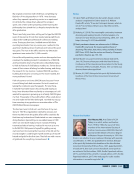
Christopher Hamacher has been practicing
Zen Buddhism since the late 1990s.
Prompted by incidents of student abuse
by Zen teachers, Christopher has been
spreading awareness thereof among the Zen
community and exposing cult-like elements
within it he presented a paper on that topic at the 2012 ICSA
conference. Christopher lives and runs a Zen center in Munich,
Germany. He works part-time as a translator and may be
reached at christopher@zen-ostbahnhof.de n
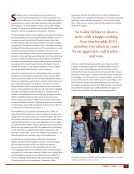
…it was as if Zernickow and
his lawyers had never even
heard of the #metoo debate.
Thankfully, the judges
apparently had…
Photo
by
Nori
Muster
But as it was, over the course of the next year and a half I was
able to properly defend myself. My lawyer filed all the detailed
testimonials, patiently describing the various kinds of harm
that Zernickow had inflicted on his students. We showed that
the accusations were deemed credible by outside experts. We
cited witness after witness to prove all the authoritarianism
and hypocrisy, all the information control, and all the sexual
misconduct. And in a cult-like manner, Zernickow continued
to deny everything, based on no evidence other than his own
word. His position seemed literally to be that my entire 54-
page paper was false, simply because he said so.
The hearing took place in Berlin in December 2021. To my
great relief, the three judges announced right off the bat that
Zernickow would be best advised to drop his case altogether.
For whatever reason, his lawyers refused, and twenty minutes
later it was all over: The suit had been thrown out, and I
had won. The court ruled that although Zernickow had a
right to defend his reputation, it had to be balanced against
the public’s right to know the truth about him. Given the
context of the case, the statements that I had made were all
within reason. On the one hand, the passages that accused
him of “abuse,” “manipulation,” or “censorship” were all value
judgments covered by my freedom of opinion. And on the
other hand, whenever I had made an actual statement of
fact, i.e., when it was my word against his, the judges found
that, considering the evidence in the file, there was no reason
to assume that my version was not essentially correct. This
was especially true because Zernickow had mostly failed to
provide any alternative explanations at all.
For example, I had written, “On more than one occasion,
Zernickow himself told students about the firearm he
allegedly carried at all times.” The court found that it wasn’t
enough for him to simply deny the statement because it
remained “unclear whether the plaintiff never carried a
firearm, or only in a few cases, or whether the plaintiff only
did not express this to his students, or at least not on several
occasions. […] The plaintiff’s submission is limited solely to the
negation of the alleged fact. Thus, he has not met his burden
of proof” (LG Berlin, 2021).
This pattern was repeated throughout the case. Zernickow’s
stubborn rejection of dozens of varied and detailed
statements—by flatly saying “it’s all not true”—was simply
not credible, so the court dismissed the suit outright, without
even bothering to call witnesses.
A typical cult mindset was obvious in another aspect as well.
In the paper I had written that Zernickow had been accused,
among other things, of sexually abusing his students. He of
course took particular offense at this, repeatedly claiming
that such a “monstrous accusation” could never be true,
because the sex with his patients and students—which he
freely admitted—had all been based on “mutual consent.” The
argument was frankly embarrassing it was as if Zernickow
and his lawyers had never even heard of the #metoo debate.
Thankfully, the judges apparently had, because they ruled that
the “existing power differential” was indeed enough to qualify
the sex as abusive.
To sum up, the whole process ended happily for me in almost
every way: Not only did I have the satisfaction of winning and
knowing that my paper was now unassailable for all time, but
Zernickow was also ordered to pay my legal fees. The only
thing lacking was that neither the “master himself” nor any
of his remaining disciples had bothered to show up for the
hearing, so I wasn’t able see their reactions in person. But I
do know that they are at least aware of how it turned out,
because the following bizarre statement has been posted on
their website (www.mumon-kai.de) ever since:
If Hamacher were as tall as his accusations on the
internet are untrue,
while, without any understanding of ZEN, publishing
discriminatory information about others,
then he could shake hands with the man in the
moon while kneeling.
And that’s the moral of the story. n
The English version of Christopher’s paper can be downloaded at
https://www.academia.edu/29679611 An English translation of
the court judgment (LG Berlin, Urt. v. 14.12.2021 – 27 O 422/20) is
available upon email request to christopher@zen-ostbahnhof.de
About the Author
Christopher Hamacher has been practicing
Zen Buddhism since the late 1990s.
Prompted by incidents of student abuse
by Zen teachers, Christopher has been
spreading awareness thereof among the Zen
community and exposing cult-like elements
within it he presented a paper on that topic at the 2012 ICSA
conference. Christopher lives and runs a Zen center in Munich,
Germany. He works part-time as a translator and may be
reached at christopher@zen-ostbahnhof.de n
…it was as if Zernickow and
his lawyers had never even
heard of the #metoo debate.
Thankfully, the judges
apparently had…
Photo
by
Nori
Muster