Cultic Studies Review, Vol. 1, No. 1, 2002, Page 57
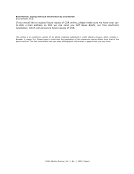
Aum Programmer Accused of Data Theft /Japan
A computer programmer with ties to Aum is suspected of downloading confidential computer
data from eight major companies and giving it to the cult, Tokyo police say. The victims of
the alleged theft are all clients of NTT Communications Corp., where the Aum member
worked as a subcontractor. (Kyodo News, Japan Today, 12/19/01, Internet)
Aum Visitors Rejected by Russia /Russia
Russia refused entry to 16 Aum members in 2001, Federal Security Service (FSB) head
Nikolay Patrushev said. The FSB declined to make public the nationality of the members or
the purpose of their attempted visits. Aum, now outlawed in Russia, claims it used to have
tens of thousands followers in the country. (Kyodo News, Japan Today, 12/19/01, Internet)
Aum Death Sentence Upheld Despite "Mind Control" Claim /Japan
A Japanese court has upheld the death sentence of Aum Shinrikyo co-founder Kazuaki
Okazaki, 41, convicted in 1998 of killing an anti-cult lawyer, his wife, and baby son. This
was the first death sentence of a member of Aum — now called Aleph— the group that
released nerve gas in the Tokyo subway in 1995. Okazaki argued that he acted while while
under the "mind control" of Aum founder Chizu Matsumoto, better known by his
pseudonym, Shoko Asahara. (BBC News, 12/13/01, Internet)
Russian Aum Members Convicted in Bomb Plot /Russia
Five Russian members of the Aum Shinrikyo doomsday cult were convicted Wednesday of
planning to set off bombs in Japanese cities to force officials to free the cult's leader. They
received sentences ranging from 41/2 to 8 years. They hoped by terrorizing Japan to win
the release of Shoko Asahara, who was jailed pending trial as the suspected mastermind of
the deadly 1995 nerve gas attack on the Tokyo subway, the prosecutor said. (Chicago
Tribune, 1/24/02, Internet)
"Of course, I remain a believer in Aum Shinrikyo, as I was up to my arrest. But our attitude
toward our actions have changed — of course we regret them," Dmitry Sigachyov, leader of
the Russian group, said in his final court statement. (Reuters, 1/23/02, Internet)
Aum, in Tokyo, denied that the group had assisted in the planned attack. (Courier-Mail,
1/25/02, Internet)
Compensation to Aum Victims /Japan
A woman on welfare who was a victim of Aum Shinrikyo's 1995 sarin gas attack on the
Tokyo subway system will be able to keep her welfare money, as well as 3 million yen in
compensation she was awarded after the attack. Normally, officials scrutinize how welfare
recipients use the extra money and order most to repay their benefits, ministry officials
said. "This decision was made in consideration of the unusual nature of the incident and the
background in which the government canceled Aum's debts to give priority to compensation
to victims," said an official from the ministry's Public Assistance Division. (Japan Times,
1/12/02, Internet)
Life Sentence Upheld /Japan
The Tokyo High Court has upheld a life imprisonment ruling by a lower court for a former
AUM Shinrikyo cult member over his role in the 1995 sarin gas attack on the Tokyo subway.
Koichi Kitamura, 33. The judge said that life imprisonment is not too harsh a sentence for
Kitamura. Despite the that fact he did not play a leading role in the crime, he was aware of
the plan in advance and clearly realized the killing power of sarin gas, said Presiding Judge
Tetsuya Yoshimoto. (Xinhua via COMTEX, 1/29/02, Internet)
Aum Programmer Accused of Data Theft /Japan
A computer programmer with ties to Aum is suspected of downloading confidential computer
data from eight major companies and giving it to the cult, Tokyo police say. The victims of
the alleged theft are all clients of NTT Communications Corp., where the Aum member
worked as a subcontractor. (Kyodo News, Japan Today, 12/19/01, Internet)
Aum Visitors Rejected by Russia /Russia
Russia refused entry to 16 Aum members in 2001, Federal Security Service (FSB) head
Nikolay Patrushev said. The FSB declined to make public the nationality of the members or
the purpose of their attempted visits. Aum, now outlawed in Russia, claims it used to have
tens of thousands followers in the country. (Kyodo News, Japan Today, 12/19/01, Internet)
Aum Death Sentence Upheld Despite "Mind Control" Claim /Japan
A Japanese court has upheld the death sentence of Aum Shinrikyo co-founder Kazuaki
Okazaki, 41, convicted in 1998 of killing an anti-cult lawyer, his wife, and baby son. This
was the first death sentence of a member of Aum — now called Aleph— the group that
released nerve gas in the Tokyo subway in 1995. Okazaki argued that he acted while while
under the "mind control" of Aum founder Chizu Matsumoto, better known by his
pseudonym, Shoko Asahara. (BBC News, 12/13/01, Internet)
Russian Aum Members Convicted in Bomb Plot /Russia
Five Russian members of the Aum Shinrikyo doomsday cult were convicted Wednesday of
planning to set off bombs in Japanese cities to force officials to free the cult's leader. They
received sentences ranging from 41/2 to 8 years. They hoped by terrorizing Japan to win
the release of Shoko Asahara, who was jailed pending trial as the suspected mastermind of
the deadly 1995 nerve gas attack on the Tokyo subway, the prosecutor said. (Chicago
Tribune, 1/24/02, Internet)
"Of course, I remain a believer in Aum Shinrikyo, as I was up to my arrest. But our attitude
toward our actions have changed — of course we regret them," Dmitry Sigachyov, leader of
the Russian group, said in his final court statement. (Reuters, 1/23/02, Internet)
Aum, in Tokyo, denied that the group had assisted in the planned attack. (Courier-Mail,
1/25/02, Internet)
Compensation to Aum Victims /Japan
A woman on welfare who was a victim of Aum Shinrikyo's 1995 sarin gas attack on the
Tokyo subway system will be able to keep her welfare money, as well as 3 million yen in
compensation she was awarded after the attack. Normally, officials scrutinize how welfare
recipients use the extra money and order most to repay their benefits, ministry officials
said. "This decision was made in consideration of the unusual nature of the incident and the
background in which the government canceled Aum's debts to give priority to compensation
to victims," said an official from the ministry's Public Assistance Division. (Japan Times,
1/12/02, Internet)
Life Sentence Upheld /Japan
The Tokyo High Court has upheld a life imprisonment ruling by a lower court for a former
AUM Shinrikyo cult member over his role in the 1995 sarin gas attack on the Tokyo subway.
Koichi Kitamura, 33. The judge said that life imprisonment is not too harsh a sentence for
Kitamura. Despite the that fact he did not play a leading role in the crime, he was aware of
the plan in advance and clearly realized the killing power of sarin gas, said Presiding Judge
Tetsuya Yoshimoto. (Xinhua via COMTEX, 1/29/02, Internet)