Cultic Studies Review, Vol. 1, No. 1, 2002, Page 33
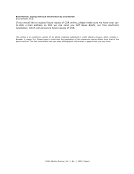
What are the legal implications of the cult phenomenon?
The American Bar Association report published in Cultic Studies Journal, 12(1), 1995
provides a literature review and analysis of case law relating to mind control issues, undue
influence, and fraud. Cultic Studies Journal has also published articles on other aspects of
the legal dimension of this subject, including custody, violence against women laws,
emancipation of minors, hypnotic testimony, and certain reports of governments. The
international dimension of the cult issue greatly complicates the legal arena. It would be
helpful to develop a manual of pertinent laws, precedents, and unresolved issues in various
countries in order to make the scholarly analysis above accessible to greater numbers of
people. Obviously, this is a major task that would require funding and the skills of a legal
scholar.
What are the cultural implications of the cult issue?
AFF believes that the cultural implications of cultism can be explored fruitfully by answering
the following key question:
How does a free, constitutionally based society protect itself against the totalist
impulses and practices of cultic groups without becoming closed and repressive?
The answer to this question includes, but is not limited to, legal considerations. A key
component of the answer, for example, has to do with the ethics of how we influence each
other, a subject on which AFF has published a number of articles. Answering this question
also demands an analysis of fundamental societal values and how conflicting values can
most effectively be reconciled.
**********
Michael D. Langone, Ph.D., a counseling psychologist, is AFF‘s Executive Director. He
was the founder editor of Cultic Studies Journal (CSJ), the editor of CSJ‘s successor, Cultic
Studies Review, and editor of Recovery From Cults. He is co-author of Cults: What Parents
Should Know and Satanism and Occult-Related Violence: What You Should Know. Dr.
Langone has spoken and written widely about cults. In 1995, he received the Leo J. Ryan
Award from the "original" Cult Awareness network and was honored as the Albert V.
Danielsen visiting Scholar at Boston University. (aff@affcultinfoserve.com)
This article is an electronic version of an article originally published in Cultic Studies Review, 2002, Volume 1,
Number 1, pages 3-50. Please keep in mind that the pagination of this electronic reprint differs from that of the
bound volume. This fact could affect how you enter bibliographic information in papers that you may write.
What are the legal implications of the cult phenomenon?
The American Bar Association report published in Cultic Studies Journal, 12(1), 1995
provides a literature review and analysis of case law relating to mind control issues, undue
influence, and fraud. Cultic Studies Journal has also published articles on other aspects of
the legal dimension of this subject, including custody, violence against women laws,
emancipation of minors, hypnotic testimony, and certain reports of governments. The
international dimension of the cult issue greatly complicates the legal arena. It would be
helpful to develop a manual of pertinent laws, precedents, and unresolved issues in various
countries in order to make the scholarly analysis above accessible to greater numbers of
people. Obviously, this is a major task that would require funding and the skills of a legal
scholar.
What are the cultural implications of the cult issue?
AFF believes that the cultural implications of cultism can be explored fruitfully by answering
the following key question:
How does a free, constitutionally based society protect itself against the totalist
impulses and practices of cultic groups without becoming closed and repressive?
The answer to this question includes, but is not limited to, legal considerations. A key
component of the answer, for example, has to do with the ethics of how we influence each
other, a subject on which AFF has published a number of articles. Answering this question
also demands an analysis of fundamental societal values and how conflicting values can
most effectively be reconciled.
**********
Michael D. Langone, Ph.D., a counseling psychologist, is AFF‘s Executive Director. He
was the founder editor of Cultic Studies Journal (CSJ), the editor of CSJ‘s successor, Cultic
Studies Review, and editor of Recovery From Cults. He is co-author of Cults: What Parents
Should Know and Satanism and Occult-Related Violence: What You Should Know. Dr.
Langone has spoken and written widely about cults. In 1995, he received the Leo J. Ryan
Award from the "original" Cult Awareness network and was honored as the Albert V.
Danielsen visiting Scholar at Boston University. (aff@affcultinfoserve.com)
This article is an electronic version of an article originally published in Cultic Studies Review, 2002, Volume 1,
Number 1, pages 3-50. Please keep in mind that the pagination of this electronic reprint differs from that of the
bound volume. This fact could affect how you enter bibliographic information in papers that you may write.