Patrick J. Knapp, MA, Philosophy of Religion, Denver Seminary. Pat’s initial interest
in cult recovery stems from his own involvement in a harmful Bible-based group
(1970–1984). His recovery resulted from individual and marriage counseling, in
addition to several years of work in and facilitating support groups for former
members and their loved ones. His MA thesis was titled The Place of Mind Control
in the Cult Recovery Process. Pat is the founder of and codirects Becoming Free LLC
(www.BecomingFree.org). This organization provides spiritual abuse recovery through education,
life coaching, and support for improved insight and emotional healing. He has done doctoral
studies in Marriage and Family Counseling (Professional Track) at Gordon-Conwell Seminary in
Charlotte, North Carolina. Currently he is pursuing a PhD in Pastoral Psychology at Graduate
Theological Foundation (GTF) all is completed but his dissertation (ABD). n
Dear Friends,
For people damaged by cultic groups or relationships, finding a path to recovery—or what former
members of spiritually abusive environments might call redemption—can be paramount. Yet finding
themes in our history that point us toward recovery, or redemption, can be challenging at best. This
issue of ICSA Today provides several valuable perspectives on how this challenge has been addressed.
This past week my wife, Heidi, and I received four letters underscoring the significant benefits derived
by involvement in our past support and recovery groups. Support groups, like those discussed in this
issue by Bill Goldberg and Doug Duncan, can provide a secure and valuable relational platform for
the healing process. But face-to-face support groups, or trained professionals to lead them, are not
always available, which is why Trudy Kendrick’s account of Dear Demeter, an online and member-run
support group, is so valuable.
Another source of healing can be touchstone relationships that provide respectful and compassionate
direction and encouragement. In my 34 years of recovery, I have found several such relationships
that provide a secure relational haven within which to explore the broad world of ideas, emotions,
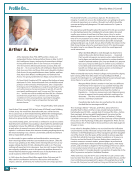
and beliefs. In this issue, Mary O’Connell shares her experience of such a person in her profile of the
late Arthur Dole, an early contributor to the work of ICSA. Both the writer and her subject remind us
of how intense personal pain, when mixed with a particularly nourishing relationship, can become
foundational to a life well lived and to the great benefit of many.
Reading about cults and cult recovery can be a significant source for improved understanding and
compassion. As an academic and former member, I depend on others to help inform my reading
list. This issue provides not one, but two excellent book reviews of 500-page books: Joe Szimhart’s
review of Enthralled (on the dangers of Tibetan Buddhism) and Robin Boyle’s review of Cult Recovery:
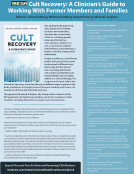
A Clinician’s Guide to Working With Former Members and Families (a compilation of articles by seasoned
professionals).
For some, such as F.E. Feeley Jr, redemption might also be found in the arts. In this issue, Feeley shares
through his poetry the impact a childhood of isolation within Christian Fundamentalism had on him,
and his joy in escaping that world and discovering the beauty outside. In both our support-group
work and our life coaching, we hear personal accounts that are hard to bear. Thankfully, sometimes
the greater the pain, the more redemption may eventually be found in the recovery.
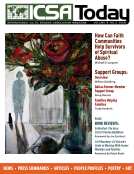
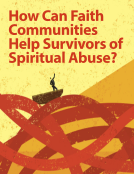
Michael Langone’s article offers faith communities and other supportive providers a succinct and
articulate description of core behaviors and attitudes to help foster healing and restoration in former
members from abusive spiritual groups. His article reminds us of the importance of psychosocial
education.
Those of us who have been in the field of recovery from cultic abuse for a long time understand
that no two people recover in exactly the same way. We are unique beings, and there is no magic
bullet. Finally, what are we to make of our diverse experiences of pain, and where do we see
themes of recovery or redemption in our own lives? This issue of ICSA Today offers examples and
encouragement. Press forward in your journey, and read on...
Sincerely,
Pat Knapp
About ICSA Today
ICSA Today (IT) serves ICSA members by
providing information that enhances
understanding of all aspects of the cult
phenomenon, including how groups
function, how they affect members,
techniques of influence, dealing with
harmful effects, educational and legal
implications, and other subjects.
ICSA Today issues may include
• practical articles for former
members, families, helping
professionals, researchers,
and others
• opinion essays
• theoretical articles
• reports on research
• summaries of news reports on
groups
• information on books, articles, links
• information on ICSA members
• biographical profiles on selected
members
• personal accounts
• art work
• poetry
• short stories and other literary
articles
• special reports from correspondents
around the world
ICSA Today is published three times a
year.
Regular ICSA members receive the print
edition of ICSA Today and have access
to its Web edition. Students and other
special members gain access to the
online edition only.
Nonmember print subscriptions are
available. Submissions to the magazine
should be sent to the Editor-in-Chief,
Michael Langone, PhD:
mail@icsamail.com
We prefer Microsoft Word or a program
compatible with Word. Articles should
be no more than 2,500 words. Please
include a jpeg photo (no less than 360
dpi) and biographical sketch (less than
150 words) with your submission.
Appropriate submissions are reviewed
by the relevant section editor and,
when appropriate, editorial review
advisors.
International Cultic Studies Association
P.O. Box 2265 • Bonita Springs, FL 34133
Phone: 239.514.3081
Email: mail@icsamail.com
Website: icsahome.com
in cult recovery stems from his own involvement in a harmful Bible-based group
(1970–1984). His recovery resulted from individual and marriage counseling, in
addition to several years of work in and facilitating support groups for former
members and their loved ones. His MA thesis was titled The Place of Mind Control
in the Cult Recovery Process. Pat is the founder of and codirects Becoming Free LLC
(www.BecomingFree.org). This organization provides spiritual abuse recovery through education,
life coaching, and support for improved insight and emotional healing. He has done doctoral
studies in Marriage and Family Counseling (Professional Track) at Gordon-Conwell Seminary in
Charlotte, North Carolina. Currently he is pursuing a PhD in Pastoral Psychology at Graduate
Theological Foundation (GTF) all is completed but his dissertation (ABD). n
Dear Friends,
For people damaged by cultic groups or relationships, finding a path to recovery—or what former
members of spiritually abusive environments might call redemption—can be paramount. Yet finding
themes in our history that point us toward recovery, or redemption, can be challenging at best. This
issue of ICSA Today provides several valuable perspectives on how this challenge has been addressed.
This past week my wife, Heidi, and I received four letters underscoring the significant benefits derived
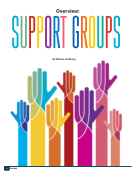
by involvement in our past support and recovery groups. Support groups, like those discussed in this
issue by Bill Goldberg and Doug Duncan, can provide a secure and valuable relational platform for
the healing process. But face-to-face support groups, or trained professionals to lead them, are not
always available, which is why Trudy Kendrick’s account of Dear Demeter, an online and member-run
support group, is so valuable.
Another source of healing can be touchstone relationships that provide respectful and compassionate
direction and encouragement. In my 34 years of recovery, I have found several such relationships
that provide a secure relational haven within which to explore the broad world of ideas, emotions,
and beliefs. In this issue, Mary O’Connell shares her experience of such a person in her profile of the
late Arthur Dole, an early contributor to the work of ICSA. Both the writer and her subject remind us
of how intense personal pain, when mixed with a particularly nourishing relationship, can become
foundational to a life well lived and to the great benefit of many.
Reading about cults and cult recovery can be a significant source for improved understanding and
compassion. As an academic and former member, I depend on others to help inform my reading
list. This issue provides not one, but two excellent book reviews of 500-page books: Joe Szimhart’s
review of Enthralled (on the dangers of Tibetan Buddhism) and Robin Boyle’s review of Cult Recovery:
A Clinician’s Guide to Working With Former Members and Families (a compilation of articles by seasoned
professionals).
For some, such as F.E. Feeley Jr, redemption might also be found in the arts. In this issue, Feeley shares
through his poetry the impact a childhood of isolation within Christian Fundamentalism had on him,
and his joy in escaping that world and discovering the beauty outside. In both our support-group
work and our life coaching, we hear personal accounts that are hard to bear. Thankfully, sometimes
the greater the pain, the more redemption may eventually be found in the recovery.
Michael Langone’s article offers faith communities and other supportive providers a succinct and
articulate description of core behaviors and attitudes to help foster healing and restoration in former
members from abusive spiritual groups. His article reminds us of the importance of psychosocial
education.
Those of us who have been in the field of recovery from cultic abuse for a long time understand
that no two people recover in exactly the same way. We are unique beings, and there is no magic
bullet. Finally, what are we to make of our diverse experiences of pain, and where do we see
themes of recovery or redemption in our own lives? This issue of ICSA Today offers examples and
encouragement. Press forward in your journey, and read on...
Sincerely,
Pat Knapp
About ICSA Today
ICSA Today (IT) serves ICSA members by
providing information that enhances
understanding of all aspects of the cult
phenomenon, including how groups
function, how they affect members,
techniques of influence, dealing with
harmful effects, educational and legal
implications, and other subjects.
ICSA Today issues may include
• practical articles for former
members, families, helping
professionals, researchers,
and others
• opinion essays
• theoretical articles
• reports on research
• summaries of news reports on
groups
• information on books, articles, links
• information on ICSA members
• biographical profiles on selected
members
• personal accounts
• art work
• poetry
• short stories and other literary
articles
• special reports from correspondents
around the world
ICSA Today is published three times a
year.
Regular ICSA members receive the print
edition of ICSA Today and have access
to its Web edition. Students and other
special members gain access to the
online edition only.
Nonmember print subscriptions are
available. Submissions to the magazine
should be sent to the Editor-in-Chief,
Michael Langone, PhD:
mail@icsamail.com
We prefer Microsoft Word or a program
compatible with Word. Articles should
be no more than 2,500 words. Please
include a jpeg photo (no less than 360
dpi) and biographical sketch (less than
150 words) with your submission.
Appropriate submissions are reviewed
by the relevant section editor and,
when appropriate, editorial review
advisors.
International Cultic Studies Association
P.O. Box 2265 • Bonita Springs, FL 34133
Phone: 239.514.3081
Email: mail@icsamail.com
Website: icsahome.com