VOLUME 9 |ISSUE 2 |2018
Book Reviews
Enthralled: The Guru Cult
of Tibetan Buddhism
By Christine A. Chandler
North Charleston, SC: Create Space Independent Publishing
Platform. 2017. ISBN-10: 1511543469 ISBN-13: 978-1511543460
(paperback). $19.95 (Amazon.com) (Kindle, $14.99). 527 pages.
Reviewed by Joseph Szimhart
“Hell hath no fury like a woman scorned” is not Shakespeare,
as I had recalled instead, it comes from The Mourning Bride
by William Congreve, who wrote: Heav’n has no rage like love
to hatred turn’d /Nor Hell a fury, like a woman scorn’d (Act III,
Scene 2). Getting things right with memories about art and
literature can be tricky, much as doing so can be with religious
experience. Former cult members can become furious both
with themselves and with the cult—like a woman scorned—
when the extent of the deception and abuse finally sinks in.
That happened to me also after I defected from a cult at the
end of 1980. And that happened to Christine Chandler after
she defected from decades under the psychological thrall of a
Tibetan Buddhist cult.
Former members tell stories about their cult experiences
that some sociologists of religion have called atrocity tales
for many reasons, but this label effectively diminishes the
moral and ethical value of a victim’s testimony. In other
words, the dispassionate sociologist tends to see she said, he
said to avoid making a value judgment about good and evil
intentions. As an example, a cannibal rite among some tribes
in New Guinea has as much inherent value to that tribe as
the Holy Eucharist does to a Catholic. The thought is that we
should not judge the cannibal rite based on Roman Catholic
teaching or on rival tribal practices that have eliminated
eating people. A sociologist of this stripe (not all think this
way) runs into problems when a tribe that captures his son
hiking in New Guinea eats the son. You might guess there
would be weeping and gnashing of teeth in the egalitarian
sociologist’s ivory tower, but do not bet on that sociologist
devaluing cannibalism as a tradition.
Enthralled: The Guru Cult of Tibetan Buddhism by Christine
Chandler reads much like a former cult member’s atrocity
tale, albeit better referenced than most. Chandler’s approach
is often effusive and repetitive, with more than 500 pages
of exposition and self-revelation. There is a good reference
list, but it lacks an index. The author used a self-publishing
format with the CreateSpace print and distribution service
thus, the potential professional editing is lacking to cut down
on repetitions and overstated criticisms. Having said that, I
sympathize with Chandler and her effort to get the word out
about abuses among Tibetan Buddhist lamas and their cult
followings, and also her effort to strip away the deceptive
veneer of peaceful mindfulness that covers an actively fascist
and superstitious tradition. The Dalai Lama is not spared
Chandler’s scorn, nor are the celebrity, political, and New Age
leaders who promote the Dalai Lama and his agendas.
The topic of this exposé is familiar to me not only because of
Chandler’s specific cult that surrounds the legacy of Chögyam
Trungpa (1939–1987), but also because the cult I was with
in the late 1970s had some roots in the Tibetan tradition
via the occultist Helena Blavatsky. Chandler mentions the
Theosophical Society with its founder Blavatsky as embracing
a form of Buddhism in the 19th Century and deriving its White
Brotherhood of adepts from a Tibetan Mahayana Buddhist
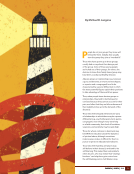
scheme of bodhisattvas. Moreover, my old cult, Summit
Lighthouse, founded in the 1920s by the Theosophist couple
Nicholas and Helena Roerich, used the Agri Yoga teachings.
The Roerichs claimed to represent the Agni Yoga teachings
based in Shambhala, hidden somewhere in the Tibetan region
among the lamas. Shambhala is the realm where the White
Brotherhood purportedly operates both in and out of their
corporeal bodies—they are among us, but we cannot always
see them. Chandler discusses sympathetic agendas among
the Tibetan lamas and the Theosophists, who have had an
enormous influence on what we call New Age today. Her
concern is that the New Age movement and both right- and
left-wing politics are being scammed by the mindfulness
movement. The author believes there is a pernicious agenda
to undermine Western Judeo-Christian values and sciences
with lamas vying to take control.
Chandler entered her 30 years’ attachment to and pursuit
of Trungpa’s Vajrayana Buddhism around 1984, so her effort
to express her reactions and feelings in this book began in
earnest a mere 3 years ago. With her second husband, she
emerged from the cult milieu as a grandmother and as a
working, licensed social worker and psychologist. There
were long periods when Chandler gave her all to the cult
causes and lived around group communes in Vermont and
in Crestone, Colorado. Chandler’s family were concerned all
along that she was in a cult, but she would have none of that,
Her concern is that the New
Age movement and both
right- and left-wing politics
are being scammed by the
mindfulness movement.
2315
Book Reviews
Enthralled: The Guru Cult
of Tibetan Buddhism
By Christine A. Chandler
North Charleston, SC: Create Space Independent Publishing
Platform. 2017. ISBN-10: 1511543469 ISBN-13: 978-1511543460
(paperback). $19.95 (Amazon.com) (Kindle, $14.99). 527 pages.
Reviewed by Joseph Szimhart
“Hell hath no fury like a woman scorned” is not Shakespeare,
as I had recalled instead, it comes from The Mourning Bride
by William Congreve, who wrote: Heav’n has no rage like love
to hatred turn’d /Nor Hell a fury, like a woman scorn’d (Act III,
Scene 2). Getting things right with memories about art and
literature can be tricky, much as doing so can be with religious
experience. Former cult members can become furious both
with themselves and with the cult—like a woman scorned—
when the extent of the deception and abuse finally sinks in.
That happened to me also after I defected from a cult at the
end of 1980. And that happened to Christine Chandler after
she defected from decades under the psychological thrall of a
Tibetan Buddhist cult.
Former members tell stories about their cult experiences
that some sociologists of religion have called atrocity tales
for many reasons, but this label effectively diminishes the
moral and ethical value of a victim’s testimony. In other
words, the dispassionate sociologist tends to see she said, he
said to avoid making a value judgment about good and evil
intentions. As an example, a cannibal rite among some tribes
in New Guinea has as much inherent value to that tribe as
the Holy Eucharist does to a Catholic. The thought is that we
should not judge the cannibal rite based on Roman Catholic
teaching or on rival tribal practices that have eliminated
eating people. A sociologist of this stripe (not all think this
way) runs into problems when a tribe that captures his son
hiking in New Guinea eats the son. You might guess there
would be weeping and gnashing of teeth in the egalitarian
sociologist’s ivory tower, but do not bet on that sociologist
devaluing cannibalism as a tradition.
Enthralled: The Guru Cult of Tibetan Buddhism by Christine
Chandler reads much like a former cult member’s atrocity
tale, albeit better referenced than most. Chandler’s approach
is often effusive and repetitive, with more than 500 pages
of exposition and self-revelation. There is a good reference
list, but it lacks an index. The author used a self-publishing
format with the CreateSpace print and distribution service
thus, the potential professional editing is lacking to cut down
on repetitions and overstated criticisms. Having said that, I
sympathize with Chandler and her effort to get the word out
about abuses among Tibetan Buddhist lamas and their cult
followings, and also her effort to strip away the deceptive
veneer of peaceful mindfulness that covers an actively fascist
and superstitious tradition. The Dalai Lama is not spared
Chandler’s scorn, nor are the celebrity, political, and New Age
leaders who promote the Dalai Lama and his agendas.
The topic of this exposé is familiar to me not only because of
Chandler’s specific cult that surrounds the legacy of Chögyam
Trungpa (1939–1987), but also because the cult I was with
in the late 1970s had some roots in the Tibetan tradition
via the occultist Helena Blavatsky. Chandler mentions the
Theosophical Society with its founder Blavatsky as embracing
a form of Buddhism in the 19th Century and deriving its White
Brotherhood of adepts from a Tibetan Mahayana Buddhist
scheme of bodhisattvas. Moreover, my old cult, Summit
Lighthouse, founded in the 1920s by the Theosophist couple
Nicholas and Helena Roerich, used the Agri Yoga teachings.
The Roerichs claimed to represent the Agni Yoga teachings
based in Shambhala, hidden somewhere in the Tibetan region
among the lamas. Shambhala is the realm where the White
Brotherhood purportedly operates both in and out of their
corporeal bodies—they are among us, but we cannot always
see them. Chandler discusses sympathetic agendas among
the Tibetan lamas and the Theosophists, who have had an
enormous influence on what we call New Age today. Her
concern is that the New Age movement and both right- and
left-wing politics are being scammed by the mindfulness
movement. The author believes there is a pernicious agenda
to undermine Western Judeo-Christian values and sciences
with lamas vying to take control.
Chandler entered her 30 years’ attachment to and pursuit
of Trungpa’s Vajrayana Buddhism around 1984, so her effort
to express her reactions and feelings in this book began in
earnest a mere 3 years ago. With her second husband, she
emerged from the cult milieu as a grandmother and as a
working, licensed social worker and psychologist. There
were long periods when Chandler gave her all to the cult
causes and lived around group communes in Vermont and
in Crestone, Colorado. Chandler’s family were concerned all
along that she was in a cult, but she would have none of that,
Her concern is that the New
Age movement and both
right- and left-wing politics
are being scammed by the
mindfulness movement.
2315