14 ICSA TODAY 15 VOLUME 10 |ISSUE 3 |2019
“In contrast to the first-
generation cult member, the
child who is born or raised in
a cult has neither the previous
personality nor a cohesively
formed personality on which
the new cultic personality is
imposed. Aside from inherent
temperament, basic character
becomes affected and shaped
by the child’s reaction to the
cult experience.”
***
“When those who have been
raised in cults leave that
world in young adulthood, they
have to enter an entirely new
sociocultural environment—a
wider world with new
expectations and rules. These
former cult members … usually
have tremendous difficulty
with that adjustment.”
[From Goldberg, L. (2006). “Raised in Cultic
Groups: The Impact on the Development
of Certain Aspects of Character,” Cultic
Studies Review, 5 (1), pp. 5—6.]
Resources
Bardin, L. (2000). Coping with cult involvement: A handbook
for families and friends. Weston, MA: AFF.
Chambers, W., Langone, M., Dole, A., &Grice, J. (1994).
The Group Psychological Abuse Scale: A measure of the
varieties of cultic abuse. Cultic Studies Journal, 11(1), 88–117.
Clark, J. G. (1978). Cults. Journal of the American Medical
Association, 242, 279–281.
Clark, J. G., &Langone, M. D. (1985) New religions and
public policy: Research implications for social and
behavioral scientists. In B. K. Kilbourne (Ed.), Scientific
research and new religions: Divergent perspectives (pp. 90–
113). San Francisco, CA: AAAS.
Clark, J. G., Langone, M. D., Schecter, R. E., &Daly, R. C
(1981). Destructive cult conversion: Theory, research, and
treatment. Weston, MA: AFF.
Dowhower, R. L. (2013). The results of the International
Cultic Studies Association’s 2008 Questionnaire for Former
Cult Members. ICSA Today, 4(1), 10–11.
Dubrow-Marshall, R. (2018). The spectrum of coercive
control. Paper presented at the ICSA Annual Conference,
Philadelphia, PA. Available online at https://www.youtube.
com/watch?v=JNU7_gZ6nDk
Ford, W. (1993). Recovery from abusive groups. Bonita
Springs, FL: ICSA/AFF.
Giambalvo, C. (1996). Family interventions for cult-affected
loved ones. AFF.
Giambalvo, C., &Rosedale, H. (Eds.) (1996). The Boston
Movement: Critical perspectives on the International Churches
of Christ. Weston, MA: AFF.
Goldberg, L., Goldberg, W., Henry, R., &Langone, M.
(Eds.).(2017). Cult recovery: A clinician’s guide to working with
former members and families. Bonita Springs, FL: ICSA.
Hominek, D. (1995). Cults in American society: A legal
analysis of undue influence, fraud, and misrepresentation.
Cultic Studies Journal, 12(1), 1–48.
ICSA. (2003). Rosedale memorial collection.
Available online at https://drive.google.com/file/
d/0B4dmoPK1tYNjRmhRUGlpWFdXMVE/edit
ICSA Board of Directors. (2013). Dialogue and cultic studies:
Why dialogue benefits the cultic studies field. ICSA Today,
4(3), 2–7. Available online at http://www.icsahome.com/
aboutus/benefitsofdialogue
Langone, M. D. (1983). On dialogue between the two tribes
of cultic researchers. Cultic Studies Newsletter, 2(1), 11–15.
Langone, M. D. (1984). Deprogramming: An analysis of
parental questionnaires. Cultic Studies Journal, 1(1), 63–68.
Langone, M. D. (Ed.) (1993). Recovery from cults: Help for
victims of psychological and spiritual abuse. New York, NY:
Norton.
Langone, M. D. (2005). Academic disputes and dialogue:
Preface. ICSA E-Newsletter, 4(3).
Langone, M. D., &Chambers, W. V. (1991). Outreach to ex-
cult members: The question of terminology. Cultic Studies
Journal, 8(1), 134–150.
Lottick, E. A. (Feb. 1993). Survey reveals physicians’
experiences with cults. Pennsylvania Medicine, 96, 26–28.
Lottick, E. A. (2008). Psychologist survey regarding cults.
Cultic Studies Review, 7(1), 1–19.
Malinoski, P. T., Langone, M. D., &Lynn, S. J. (1999).
Psychological distress in former members of the
International Churches of Christ and noncultic groups.
Cultic Studies Journal, 16(1), 33–51.
Martin, P. R., Langone, M. D., Dole, A. A., &Wiltrout, J. (1992).
Post-cult symptoms as measured by the MCMI before
and after residential treatment. Cultic Studies Journal, 9(2),
219–250.
Rosedale, H. L. (1994). Promises and illusions: A
commencement address to the SUNY Institute of
Technology at Utica/Rome, NY. Cultic Studies Journal, 11(2),
200–210.
Ross, J. C., &Langone, M. D. (1988). Cults: What parents
should know. New York, NY: Lyle Stuart Books.
Rudin, M. (Ed.) (1996). Cults on campus: Continuing challenge
(revised ed.). Weston, MA: American Family Foundation.
Available online at https://drive.google.com/file/
d/0B7gQLq25IOjMTzJKNzN1UHlvY2s/view?usp=sharing
About the Author
Michael D. Langone, PhD, received a
doctorate in Counseling Psychology from
the University of California, Santa Barbara
in 1979. Since 1981 he has been Executive
Director of International Cultic Studies
Association (ICSA). He was the founding
editor of Cultic Studies Journal (CSJ) the
editor of CSJ’s successor, Cultic Studies Review and editor
of Recovery From Cults: Help for Victims of Psychological
and Spiritual Abuse (an alternate of the Behavioral Science
Book Service). He is coauthor of Cults: What Parents Should
Know and Satanism and Occult-Related Violence: What You
Should Know. Dr. Langone, ICSA Today’s Editor-in-Chief,
has been the chief designer and coordinator of ICSA’s
international conferences. In 1995, he was honored as the
Albert V. Danielsen visiting Scholar at Boston University.
He has authored numerous articles in professional journals
and books and has spoken widely to dozens of lay and
professional groups, various university audiences, and
numerous radio and television stations. In 2017, he was
coeditor of ICSA’s book Cult Recovery: A Clinician’s Guide to
Working With Former Members and Families.
Carmen Almendros, PhD
Rod Dubrow-Marshall, PhD, MBPsS
Steve K. D. Eichel, Chair, PhD, ABPP
Lorna Goldberg, LCSW, PsyA
Mike Kropveld
Michael D. Langone, PhD
Alan W. Scheflin, JD, LLM
Debby Schriver
Ann Stamler, MA, MPhil
(for member bios see icsahome.com/
aboutus/boardscommittees)
2019 ICSA Board of Directors
“In contrast to the first-
generation cult member, the
child who is born or raised in
a cult has neither the previous
personality nor a cohesively
formed personality on which
the new cultic personality is
imposed. Aside from inherent
temperament, basic character
becomes affected and shaped
by the child’s reaction to the
cult experience.”
***
“When those who have been
raised in cults leave that
world in young adulthood, they
have to enter an entirely new
sociocultural environment—a
wider world with new
expectations and rules. These
former cult members … usually
have tremendous difficulty
with that adjustment.”
[From Goldberg, L. (2006). “Raised in Cultic
Groups: The Impact on the Development
of Certain Aspects of Character,” Cultic
Studies Review, 5 (1), pp. 5—6.]
Resources
Bardin, L. (2000). Coping with cult involvement: A handbook
for families and friends. Weston, MA: AFF.
Chambers, W., Langone, M., Dole, A., &Grice, J. (1994).
The Group Psychological Abuse Scale: A measure of the
varieties of cultic abuse. Cultic Studies Journal, 11(1), 88–117.
Clark, J. G. (1978). Cults. Journal of the American Medical
Association, 242, 279–281.
Clark, J. G., &Langone, M. D. (1985) New religions and
public policy: Research implications for social and
behavioral scientists. In B. K. Kilbourne (Ed.), Scientific
research and new religions: Divergent perspectives (pp. 90–
113). San Francisco, CA: AAAS.
Clark, J. G., Langone, M. D., Schecter, R. E., &Daly, R. C
(1981). Destructive cult conversion: Theory, research, and
treatment. Weston, MA: AFF.
Dowhower, R. L. (2013). The results of the International
Cultic Studies Association’s 2008 Questionnaire for Former
Cult Members. ICSA Today, 4(1), 10–11.
Dubrow-Marshall, R. (2018). The spectrum of coercive
control. Paper presented at the ICSA Annual Conference,
Philadelphia, PA. Available online at https://www.youtube.
com/watch?v=JNU7_gZ6nDk
Ford, W. (1993). Recovery from abusive groups. Bonita
Springs, FL: ICSA/AFF.
Giambalvo, C. (1996). Family interventions for cult-affected
loved ones. AFF.
Giambalvo, C., &Rosedale, H. (Eds.) (1996). The Boston
Movement: Critical perspectives on the International Churches
of Christ. Weston, MA: AFF.
Goldberg, L., Goldberg, W., Henry, R., &Langone, M.
(Eds.).(2017). Cult recovery: A clinician’s guide to working with
former members and families. Bonita Springs, FL: ICSA.
Hominek, D. (1995). Cults in American society: A legal
analysis of undue influence, fraud, and misrepresentation.
Cultic Studies Journal, 12(1), 1–48.
ICSA. (2003). Rosedale memorial collection.
Available online at https://drive.google.com/file/
d/0B4dmoPK1tYNjRmhRUGlpWFdXMVE/edit
ICSA Board of Directors. (2013). Dialogue and cultic studies:
Why dialogue benefits the cultic studies field. ICSA Today,
4(3), 2–7. Available online at http://www.icsahome.com/
aboutus/benefitsofdialogue
Langone, M. D. (1983). On dialogue between the two tribes
of cultic researchers. Cultic Studies Newsletter, 2(1), 11–15.
Langone, M. D. (1984). Deprogramming: An analysis of
parental questionnaires. Cultic Studies Journal, 1(1), 63–68.
Langone, M. D. (Ed.) (1993). Recovery from cults: Help for
victims of psychological and spiritual abuse. New York, NY:
Norton.
Langone, M. D. (2005). Academic disputes and dialogue:
Preface. ICSA E-Newsletter, 4(3).
Langone, M. D., &Chambers, W. V. (1991). Outreach to ex-
cult members: The question of terminology. Cultic Studies
Journal, 8(1), 134–150.
Lottick, E. A. (Feb. 1993). Survey reveals physicians’
experiences with cults. Pennsylvania Medicine, 96, 26–28.
Lottick, E. A. (2008). Psychologist survey regarding cults.
Cultic Studies Review, 7(1), 1–19.
Malinoski, P. T., Langone, M. D., &Lynn, S. J. (1999).
Psychological distress in former members of the
International Churches of Christ and noncultic groups.
Cultic Studies Journal, 16(1), 33–51.
Martin, P. R., Langone, M. D., Dole, A. A., &Wiltrout, J. (1992).
Post-cult symptoms as measured by the MCMI before
and after residential treatment. Cultic Studies Journal, 9(2),
219–250.
Rosedale, H. L. (1994). Promises and illusions: A
commencement address to the SUNY Institute of
Technology at Utica/Rome, NY. Cultic Studies Journal, 11(2),
200–210.
Ross, J. C., &Langone, M. D. (1988). Cults: What parents
should know. New York, NY: Lyle Stuart Books.
Rudin, M. (Ed.) (1996). Cults on campus: Continuing challenge
(revised ed.). Weston, MA: American Family Foundation.
Available online at https://drive.google.com/file/
d/0B7gQLq25IOjMTzJKNzN1UHlvY2s/view?usp=sharing
About the Author
Michael D. Langone, PhD, received a
doctorate in Counseling Psychology from
the University of California, Santa Barbara
in 1979. Since 1981 he has been Executive
Director of International Cultic Studies
Association (ICSA). He was the founding
editor of Cultic Studies Journal (CSJ) the
editor of CSJ’s successor, Cultic Studies Review and editor
of Recovery From Cults: Help for Victims of Psychological
and Spiritual Abuse (an alternate of the Behavioral Science
Book Service). He is coauthor of Cults: What Parents Should
Know and Satanism and Occult-Related Violence: What You
Should Know. Dr. Langone, ICSA Today’s Editor-in-Chief,
has been the chief designer and coordinator of ICSA’s
international conferences. In 1995, he was honored as the
Albert V. Danielsen visiting Scholar at Boston University.
He has authored numerous articles in professional journals
and books and has spoken widely to dozens of lay and
professional groups, various university audiences, and
numerous radio and television stations. In 2017, he was
coeditor of ICSA’s book Cult Recovery: A Clinician’s Guide to
Working With Former Members and Families.
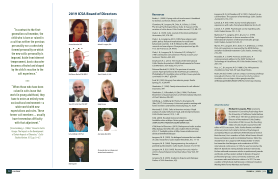
Carmen Almendros, PhD
Rod Dubrow-Marshall, PhD, MBPsS
Steve K. D. Eichel, Chair, PhD, ABPP
Lorna Goldberg, LCSW, PsyA
Mike Kropveld
Michael D. Langone, PhD
Alan W. Scheflin, JD, LLM
Debby Schriver
Ann Stamler, MA, MPhil
(for member bios see icsahome.com/
aboutus/boardscommittees)
2019 ICSA Board of Directors