20 ICSA TODAY 21 VOLUME 10 |ISSUE 3 |2019
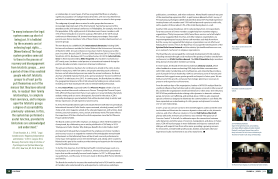
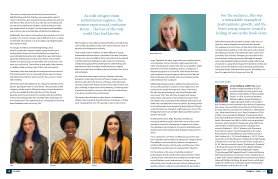
Ange Alsandria Vanessa
anger. Therefore, for many, anger often was transformed into
secret rebellion. Former members might repeat all of this
within the therapeutic relationship, and secret rebellion might
take the form of their “forgetting” sessions, coming late, or
maintaining aspects of a secret life. Other former members
might experience ongoing anger at those who had abused
them in the past and, possibly, at those in their present life
whom they perceive as abusive.
Additionally, therapy needs to address the profound sense
of loss of the past that is common in such experiences. The
young women spoke movingly about how, with leaving
the cult, they were leaving the only world that they had
ever known. Once they left, they struggled with having
relationships with parents who had failed to protect them.
Tony Alamo was an example of the idealized, all-knowing cult
leader who usurped power from the parents, becoming parent
to all, while parents were relegated to being siblings. Through
countertransference, therapists might experience some of the
feelings that former cult members had toward their parents
and the cult leader.
In telling their stories, Ange, Alsandria, and Vanessa
encompassed those qualities that make many of those who
were born or raised in cults appear so impressive to others:
They displayed resourcefulness they were hardworking and,
despite such a harsh early life, they displayed compassion for
others.
It was a pleasure to see three confident young women who
have used their inherent skills and capacity for insight to thrive.
Their ability to survive both their abusive cult experience
and their difficult entry into the wider world has given them
strength they can draw upon to manage future obstacles.
For the audience, this was a remarkable example of
posttraumatic growth, and the three young women created
a feeling of awe at the book event. Audience members were
touched by their candor and openness. For the women,
telling their stories had become part of their healing process,
and the audience could see how beneficial this was to them.
Telling their stories allowed them to better make sense of
their past, and to integrate their past into their present.
This experience seems to have contributed to their sense of
continuity and acceptance of who they were in the cult and
who they have become in the aftermath. Their stories were
powerfully told, and their willingness to share them led to
an emotionally satisfying morning. Although the women
were understandably disillusioned with religion after being
enmeshed in a group that reshaped Christianity to control and
abuse, they are finding their way by developing and taking
ownership of their individual belief systems, which they now
have the opportunity to change over time. n
About the Author
Lorna Goldberg, LCSW, PsyA, board
member and past president of ICSA, is
a psychoanalyst in private practice and
Director at the Institute of Psychoanalytic
Studies. In 1976, she and her husband,
William Goldberg, began facilitating a
support group for former cult members
that continues to meet monthly in their home in Englewood,
New Jersey. Lorna and Bill received the Hall of Fame Award
from the authentic Cult Awareness Network in 1989 and the
Leo J. Ryan Award from the Leo J. Ryan Foundation in 1999.
In 2009, Lorna received the Margaret T. Singer Award from
ICSA. Along with Rosanne Henry, she cochaired ICSA’s Mental
Health Committee from 2003 to 2008. Lorna has published
numerous articles about her therapeutic work with former
cult members in professional journals, including, most
recently, Goldberg, L., (2012), “Influence of a Charismatic
Antisocial Cult Leader: Psychotherapy With an Ex-Cultist
Prosecuted for Criminal Behavior,” International Journal of
Cultic Studies, Vol. 2, 15–24 and Goldberg, L., (2011), “Diana,
Leaving the Cult: Play Therapy in Childhood and Talk Therapy
in Adolescence,” International Journal of Cultic Studies, Vol. 2,
33–43. She also wrote the chapter “Guidelines for Therapists”
in the book Recovery from Cults (1993), edited by Michael
Langone. She cowrote with Bill Goldberg the chapter
“Psychotherapy With Targeted Parents” in the book Working
With Alienated Children and Families (2013), edited by Amy J.
L. Baker and S. Richard Sauber. Most recently Lorna coedited
(along with William Goldberg, Rosanne Henry, and Michael
Langone) Cult Recovery: A Clinician’s Guide to Working With
Former Members and Families (2017). n
For the audience, this was
a remarkable example of
posttraumatic growth, and the
three young women created a
feeling of awe at the book event.
Author Debby Schriver
The women initially experienced anxiety because Alamo
had filled them with fear that they were joining the world of
“sinners.” Therefore, upon leaving, they were adolescents who not
only felt as if they were sinners, but who also were dealing with
an array of new adolescent freedoms, which led them (in their
new imagined role as “sinners”) to test out previously forbidden
and, at times, risky and potentially self-destructive behaviors.
Additionally, these former cult members were primed not to trust
outsiders. This mistrust initially made it difficult for them to relate
to their high-school peers or to trust adults, including therapists,
who wanted to help.
To manage all of these overwhelming feelings, these
women escaped by using the healthy coping mechanism of
reading books. Books not only allowed them to retreat from
uncomfortable feelings but also helped them gain information
about this perplexing new world. These former cult members
initially were particularly uncomfortable with school peers, who
were seen as frivolous. The freedom to play and to take pleasure
in childhood had not been a part of their cult environment.
Fortunately, they were aided by the loving care and resources of
their foster parents. In time, Ange and Vanessa went to college,
and Alsandria joined the military and now has a career in dance
and modeling.
The three women described how the cult primed members to be
passive, placing the future in God’s hands. This passivity and lack
of agency initially made it difficult for them to assert themselves
on their own behalf after they left the cult. Their learned
passivity and innocence about the outside world also led them
to becoming “sitting ducks” who could be taken advantage of in
new relationships. They talked about the consequences of having
been forbidden in the cult to say, “No!”
The therapists in the audience learned that they can help former
cult members by addressing the cult-induced character traits of
passivity and obedience to authority.
Occasionally, former members can have difficulty in seeing
manipulative behavior that is a repetition of the past. Therefore,
therapy not only must address these traits picked up by induced
countertransference feelings, but also needs to incorporate a
collaborative approach that challenges the undermining cult’s
authoritarian, black-and-white worldview by encouraging
different perspectives and helping former members learn to live
with ambiguity.
As I listened to these women’s stories, it became clear that
therapists can best gain the trust of former members over time
by being open about the process of therapy, showing benign
curiosity coupled with respect for the need to share at one’s own
pace (showing an appreciation for boundaries), and being aware
of potential transference reactions that stem from relationships
in an abusive, authoritarian environment.
The women described how, in their Alamo cult experiences,
children often needed to wall off emotions and appear as if they
were managing their lives. For example, it wasn’t safe to show
As with refugees from
authoritarian regimes, the
women experienced confusion
about ...the loss of the only
world they had known.
Ange Alsandria Vanessa
anger. Therefore, for many, anger often was transformed into
secret rebellion. Former members might repeat all of this
within the therapeutic relationship, and secret rebellion might
take the form of their “forgetting” sessions, coming late, or
maintaining aspects of a secret life. Other former members
might experience ongoing anger at those who had abused
them in the past and, possibly, at those in their present life
whom they perceive as abusive.
Additionally, therapy needs to address the profound sense
of loss of the past that is common in such experiences. The
young women spoke movingly about how, with leaving
the cult, they were leaving the only world that they had
ever known. Once they left, they struggled with having
relationships with parents who had failed to protect them.
Tony Alamo was an example of the idealized, all-knowing cult
leader who usurped power from the parents, becoming parent
to all, while parents were relegated to being siblings. Through
countertransference, therapists might experience some of the
feelings that former cult members had toward their parents
and the cult leader.
In telling their stories, Ange, Alsandria, and Vanessa
encompassed those qualities that make many of those who
were born or raised in cults appear so impressive to others:
They displayed resourcefulness they were hardworking and,
despite such a harsh early life, they displayed compassion for
others.
It was a pleasure to see three confident young women who
have used their inherent skills and capacity for insight to thrive.
Their ability to survive both their abusive cult experience
and their difficult entry into the wider world has given them
strength they can draw upon to manage future obstacles.
For the audience, this was a remarkable example of
posttraumatic growth, and the three young women created
a feeling of awe at the book event. Audience members were
touched by their candor and openness. For the women,
telling their stories had become part of their healing process,
and the audience could see how beneficial this was to them.
Telling their stories allowed them to better make sense of
their past, and to integrate their past into their present.
This experience seems to have contributed to their sense of
continuity and acceptance of who they were in the cult and
who they have become in the aftermath. Their stories were
powerfully told, and their willingness to share them led to
an emotionally satisfying morning. Although the women
were understandably disillusioned with religion after being
enmeshed in a group that reshaped Christianity to control and
abuse, they are finding their way by developing and taking
ownership of their individual belief systems, which they now
have the opportunity to change over time. n
About the Author
Lorna Goldberg, LCSW, PsyA, board
member and past president of ICSA, is
a psychoanalyst in private practice and
Director at the Institute of Psychoanalytic
Studies. In 1976, she and her husband,
William Goldberg, began facilitating a
support group for former cult members
that continues to meet monthly in their home in Englewood,
New Jersey. Lorna and Bill received the Hall of Fame Award
from the authentic Cult Awareness Network in 1989 and the
Leo J. Ryan Award from the Leo J. Ryan Foundation in 1999.
In 2009, Lorna received the Margaret T. Singer Award from
ICSA. Along with Rosanne Henry, she cochaired ICSA’s Mental
Health Committee from 2003 to 2008. Lorna has published
numerous articles about her therapeutic work with former
cult members in professional journals, including, most
recently, Goldberg, L., (2012), “Influence of a Charismatic
Antisocial Cult Leader: Psychotherapy With an Ex-Cultist
Prosecuted for Criminal Behavior,” International Journal of
Cultic Studies, Vol. 2, 15–24 and Goldberg, L., (2011), “Diana,
Leaving the Cult: Play Therapy in Childhood and Talk Therapy
in Adolescence,” International Journal of Cultic Studies, Vol. 2,
33–43. She also wrote the chapter “Guidelines for Therapists”
in the book Recovery from Cults (1993), edited by Michael
Langone. She cowrote with Bill Goldberg the chapter
“Psychotherapy With Targeted Parents” in the book Working
With Alienated Children and Families (2013), edited by Amy J.
L. Baker and S. Richard Sauber. Most recently Lorna coedited
(along with William Goldberg, Rosanne Henry, and Michael
Langone) Cult Recovery: A Clinician’s Guide to Working With
Former Members and Families (2017). n
For the audience, this was
a remarkable example of
posttraumatic growth, and the
three young women created a
feeling of awe at the book event.
Author Debby Schriver
The women initially experienced anxiety because Alamo
had filled them with fear that they were joining the world of
“sinners.” Therefore, upon leaving, they were adolescents who not
only felt as if they were sinners, but who also were dealing with
an array of new adolescent freedoms, which led them (in their
new imagined role as “sinners”) to test out previously forbidden
and, at times, risky and potentially self-destructive behaviors.
Additionally, these former cult members were primed not to trust
outsiders. This mistrust initially made it difficult for them to relate
to their high-school peers or to trust adults, including therapists,
who wanted to help.
To manage all of these overwhelming feelings, these
women escaped by using the healthy coping mechanism of
reading books. Books not only allowed them to retreat from
uncomfortable feelings but also helped them gain information
about this perplexing new world. These former cult members
initially were particularly uncomfortable with school peers, who
were seen as frivolous. The freedom to play and to take pleasure
in childhood had not been a part of their cult environment.
Fortunately, they were aided by the loving care and resources of
their foster parents. In time, Ange and Vanessa went to college,
and Alsandria joined the military and now has a career in dance
and modeling.
The three women described how the cult primed members to be
passive, placing the future in God’s hands. This passivity and lack
of agency initially made it difficult for them to assert themselves
on their own behalf after they left the cult. Their learned
passivity and innocence about the outside world also led them
to becoming “sitting ducks” who could be taken advantage of in
new relationships. They talked about the consequences of having
been forbidden in the cult to say, “No!”
The therapists in the audience learned that they can help former
cult members by addressing the cult-induced character traits of
passivity and obedience to authority.
Occasionally, former members can have difficulty in seeing
manipulative behavior that is a repetition of the past. Therefore,
therapy not only must address these traits picked up by induced
countertransference feelings, but also needs to incorporate a
collaborative approach that challenges the undermining cult’s
authoritarian, black-and-white worldview by encouraging
different perspectives and helping former members learn to live
with ambiguity.
As I listened to these women’s stories, it became clear that
therapists can best gain the trust of former members over time
by being open about the process of therapy, showing benign
curiosity coupled with respect for the need to share at one’s own
pace (showing an appreciation for boundaries), and being aware
of potential transference reactions that stem from relationships
in an abusive, authoritarian environment.
The women described how, in their Alamo cult experiences,
children often needed to wall off emotions and appear as if they
were managing their lives. For example, it wasn’t safe to show
As with refugees from
authoritarian regimes, the
women experienced confusion
about ...the loss of the only
world they had known.