4 ICSA TODAY 53 VOLUME 10 |ISSUE 3 |2019
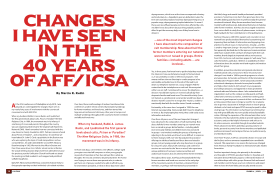
The Founding, Kay Barney and
John (Jack) Clark: 1979–1981
International Cultic Studies Association (ICSA) was founded as American Family
Foundation (AFF) in 1979 by Mr. Kay H. Barney, an executive with an aerospace
company, whose daughter had joined the Unification Church. Other grassroots
organizations formed around the same time, one year after the Jonestown
tragedy in which more than 900 men, women, and children were murdered
or committed suicide in the jungle of Guyana. AFF was different from other
organizations because it emphasized the importance of conducting scientific
research and mobilizing professionals. From its inception, AFF published a
bimonthly newspaper, The Advisor, to inform the nascent network about cult-
related developments.
In 1978, Dr. John (Jack) Clark (1926–1999), Clinical Professor of Psychiatry at
Harvard Medical School and Consulting Psychiatrist at Massachusetts General
Hospital, had published an article on cults in the Journal of the American
Medical Association. The article described his observations gleaned from working
with parents and former members of cultic groups. Dr. Clark formed a team
consisting of Dr. Michael Langone, Dr. Robert Schecter, and Rev. Roger Daly.
Dr. Clark and his team joined AFF in 1980 and in 1981 obtained grant money that
enabled AFF to establish offices in Weston, Massachusetts.
All the cult-related support organizations that came into existence in the late
‘70s and early ‘80s were founded and run by parents concerned about young-
adult children who had joined cultic groups. Most of these parents employed or
hoped to employ deprogrammers to rescue their children. Though most mental
health professionals, including Dr. Clark and his team, kept their distance from
deprogramming, some parents consulted professionals such as Dr. Clark for advice
and support, or to help their child after she walked out of a group or left after an
intervention.
Deprogramming typically involved kidnapping a cult member and subjecting
him to several days of education in the hope that he would reevaluate a cult
involvement. Deprogramming succeeded about 60% of the time (Langone, 1984).
When lawsuits arose, deprogramming was typically justified by the choice of evils
defense, which argued that extreme action was needed because of the dangers
posed by cult affiliation. By the late 1980s, however, the choice of evils defense
was nullified because (a) many intervention specialists, who called themselves exit
counselors, helped people leave cultic groups without abductions and (b) research
clearly indicated that a large majority of people left cults on their own (Langone,
1993).
Deprogramming in North America virtually disappeared from the field by the turn
of the century.
In those pre-Internet days, most people seeking help contacted AFF by mail or
phone. AFF was soon responding to several thousand information requests (mostly
from families and former members) and providing background information to
dozens and sometimes more than a hundred journalists annually. Mrs. Carol
Turnbull (who died in 1999), a local volunteer from Weston, was instrumental in
providing the AFF office with news clippings and an indispensable copy machine.
While staff handled the phone and mail inquiries, Dr. Clark’s team spoke to
professional groups, schools, colleges, and civic groups. They also wrote some
of the early documents in this field, including the monograph, Destructive Cult
Conversion: Theory, Research, and Treatment (Clark, Langone, Schecter, &
Daly, 1981), which was distributed widely through the growing cult-awareness
movement.
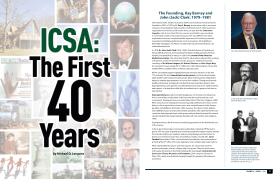
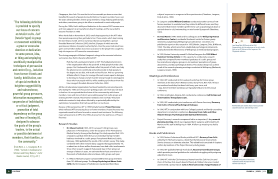
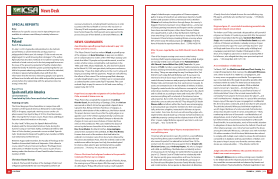
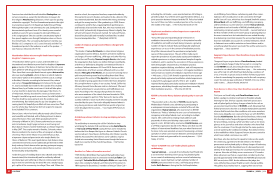
Kay H. Barney founded the American Family Foundation.
Dr. John (Jack) Clark secured funding to establish
the first AFF offices in 1981.
2
By Michael D. Langone
Because of Dr. Clark’s courage in standing up to
harassment that began in the late 1970s and
continued into the 1990s, The Psychiatric Times
named him 1991 Psychiatrist of the Year, describing
him as “a quiet, courageous man of conviction, who
was fighting an all-too-lonely and unappreciated
battle against well-financed, ruthless organizations.”
(Cult Observer, 1992, Vol 9, No. 2, p. 7).
The Founding, Kay Barney and
John (Jack) Clark: 1979–1981
International Cultic Studies Association (ICSA) was founded as American Family
Foundation (AFF) in 1979 by Mr. Kay H. Barney, an executive with an aerospace
company, whose daughter had joined the Unification Church. Other grassroots
organizations formed around the same time, one year after the Jonestown
tragedy in which more than 900 men, women, and children were murdered
or committed suicide in the jungle of Guyana. AFF was different from other
organizations because it emphasized the importance of conducting scientific
research and mobilizing professionals. From its inception, AFF published a
bimonthly newspaper, The Advisor, to inform the nascent network about cult-
related developments.
In 1978, Dr. John (Jack) Clark (1926–1999), Clinical Professor of Psychiatry at
Harvard Medical School and Consulting Psychiatrist at Massachusetts General
Hospital, had published an article on cults in the Journal of the American
Medical Association. The article described his observations gleaned from working
with parents and former members of cultic groups. Dr. Clark formed a team
consisting of Dr. Michael Langone, Dr. Robert Schecter, and Rev. Roger Daly.
Dr. Clark and his team joined AFF in 1980 and in 1981 obtained grant money that
enabled AFF to establish offices in Weston, Massachusetts.
All the cult-related support organizations that came into existence in the late
‘70s and early ‘80s were founded and run by parents concerned about young-
adult children who had joined cultic groups. Most of these parents employed or
hoped to employ deprogrammers to rescue their children. Though most mental
health professionals, including Dr. Clark and his team, kept their distance from
deprogramming, some parents consulted professionals such as Dr. Clark for advice
and support, or to help their child after she walked out of a group or left after an
intervention.
Deprogramming typically involved kidnapping a cult member and subjecting
him to several days of education in the hope that he would reevaluate a cult
involvement. Deprogramming succeeded about 60% of the time (Langone, 1984).
When lawsuits arose, deprogramming was typically justified by the choice of evils
defense, which argued that extreme action was needed because of the dangers
posed by cult affiliation. By the late 1980s, however, the choice of evils defense
was nullified because (a) many intervention specialists, who called themselves exit
counselors, helped people leave cultic groups without abductions and (b) research
clearly indicated that a large majority of people left cults on their own (Langone,
1993).
Deprogramming in North America virtually disappeared from the field by the turn
of the century.
In those pre-Internet days, most people seeking help contacted AFF by mail or
phone. AFF was soon responding to several thousand information requests (mostly
from families and former members) and providing background information to
dozens and sometimes more than a hundred journalists annually. Mrs. Carol
Turnbull (who died in 1999), a local volunteer from Weston, was instrumental in
providing the AFF office with news clippings and an indispensable copy machine.
While staff handled the phone and mail inquiries, Dr. Clark’s team spoke to
professional groups, schools, colleges, and civic groups. They also wrote some
of the early documents in this field, including the monograph, Destructive Cult
Conversion: Theory, Research, and Treatment (Clark, Langone, Schecter, &
Daly, 1981), which was distributed widely through the growing cult-awareness
movement.
Kay H. Barney founded the American Family Foundation.
Dr. John (Jack) Clark secured funding to establish
the first AFF offices in 1981.
2
By Michael D. Langone
Because of Dr. Clark’s courage in standing up to
harassment that began in the late 1970s and
continued into the 1990s, The Psychiatric Times
named him 1991 Psychiatrist of the Year, describing
him as “a quiet, courageous man of conviction, who
was fighting an all-too-lonely and unappreciated
battle against well-financed, ruthless organizations.”
(Cult Observer, 1992, Vol 9, No. 2, p. 7).