22 ICSA TODAY
Closely tying into Dr. Kendall’s application of social learning
theory is her section on mentors. To my knowledge,
mentoring has not explicitly been written about in the
cultic-studies literature before. It is a fascinating topic,
especially in light of Bandura’s social learning theory and
theories of attachment, limbic resonance, trauma, and
the therapeutic relationship (van der Kolk, 2014). If, as
Dr. Kendall suggests, people born or raised in sects must
learn many social conventions/cues and, as Dr. Kendall
and other literature suggests, there are recovery concerns
around relational functioning (Bardin, 2010 Furnari, 2005
Goldberg, 2006a, April Goldberg 2006b Lalich &Tobias,
2006 Landa 1990–1991 Langone &Eisenberg, 1993),
mentoring is an exciting area to explore. Mentoring could
provide a means through which this population can learn a
great many skills related to relationships, boundaries, social
conventions, and culture. This is another possible area for
exploration and further research.
The final section of Dr. Kendall’s book that I found
particularly powerful was her section for grandparents
in Chapter 9. Both personally and professionally, I have
known families who have lost loved ones to cultic groups
I so often hear helplessness in their words, and I too feel
powerless to help. These families frequently express not
knowing what they can do to effect change. In addition,
they often express concerns about their grandchildren
who were born into the group. They worry about the lack
of choice, control, agency, childhood, play, and so on that
their grandchildren are growing up with. Dr. Kendall writes
this section with warmth, encouragement, and practical
advice about what families can do.
This book is quite a contribution to the cultic-studies field.
It brings together an exhaustive review of the research
that has been done with this population to date. The
personal stories and poetry add richness to the research
base. I would highly recommend this book to all four of
ICSA’s major constituencies: former members, helping
professionals, researchers/academics, and families. n
This book … brings together
an exhaustive review of the
research that has been done
with this population to date. The
personal stories and poetry add
richness to the research base.
References
Bandura, A. (1974). Behavior theory and the models of man. American
Psychologist, 29, 859–869. Available online at https://www.uky.
edu/~eushe2/Bandura/Bandura1974AP.pdf
Bardin, Livia (2010). Starting out in mainstream America. Retrieved from
startingout.icsa.name
di Pellegrino, G., Fadiga L., Fogassi, L., Gallese, V., &Rizzolatti, G.
(1992). Understanding motor events: A neurophysiological study.
Experimental Brain Research, 91(1), 176–180. Available online at https://
www.uni-muenster.de/imperia/md/content/psyifp/aeechterhoff/
wintersemester2011-12/vorlesungkommperskonflikt/dipellegrino_etal_
understmotorevents_ebr1992.pdf
Furnari, L. (2005). Born or raised in high-demand groups: Developmental
considerations. ICSA E-Newsletter, 4(3). Retrieved from http://www.
icsahome.com/articles/born-or-raised-furnari-en4-3
Goldberg, L. (2006a, April). The harsh conscience of second-generation
former cultists. Workshop session presented at the International Cultic
Studies Association SGA Workshop, Cornwall, Connecticut.
Goldberg, L. (2006b). Raised in cultic groups: The impact on the
development of certain aspects of character. Cultic Studies Review, 5(1),
1–27. Retrieved from http://www.icsahome.com/articles/raised-in-cultic-
groups-goldberg
Iacoboni, M. (2009). Imitation, empathy, and mirror neurons.
Annual Review of Psychology, 60(1), 653–670. doi:10.1146/annurev.
psych.60.110707.163604
Kendall, L. (2016). Born and raised in a [sect]: You are not alone. Progression
Publishing.
Lalich, J., &Tobias, M. (2006). Take back your life: Recovering from cults and
abusive relationships (2nd ed.). Berkley, CA: Bay Tree Publishing.
Landa, S. (1990–1991). Children and cults: A practical guide. Journal of
Family Law, 29(3). Retrieved from http://www.icsahome.com/articles/
children-and-cults-landa
Langone, M. D., &Eisenberg, G. (1993). Children and cults. Recovery from
cults: Help for victims of psychological and spiritual abuse. New York, NY:
W.W. Norton.
van der Kolk, B. (2014). The body keeps the score: Brain, mind, and body in
the healing of trauma. New York, NY: Penguin Books.
About the Reviewer
Ashley Allen, MSW, LMSW, completed her
Master’s in Social Work at Monmouth University,
where she also was selected to coordinate and
present the School of Social Work’s Annual
Clinical Lecture Series. Her lecture series focused
on children born and/or raised in cultic groups,
with a special focus on issues of human rights.
She has presented on cults, with a particular
focus on those born or raised in them, at various mental-health
agencies, at universities, and at the National Association of Social
Workers (NASW) annual conference in New Jersey. Ms. Allen
gained a breadth of experience volunteering at the Cult Clinic of
JBFCS (Jewish Board of Family and Children’s Services) in New York
City for 3 years and has gone on to work as a therapist with former
cult members in community mental health. She is currently serving
as Outreach Coordinator for ICSA, is on the Board of Directors for
reFOCUS, and is an adjunct instructor at Middle Tennessee State
University. n
Closely tying into Dr. Kendall’s application of social learning
theory is her section on mentors. To my knowledge,
mentoring has not explicitly been written about in the
cultic-studies literature before. It is a fascinating topic,
especially in light of Bandura’s social learning theory and
theories of attachment, limbic resonance, trauma, and
the therapeutic relationship (van der Kolk, 2014). If, as
Dr. Kendall suggests, people born or raised in sects must
learn many social conventions/cues and, as Dr. Kendall
and other literature suggests, there are recovery concerns
around relational functioning (Bardin, 2010 Furnari, 2005
Goldberg, 2006a, April Goldberg 2006b Lalich &Tobias,
2006 Landa 1990–1991 Langone &Eisenberg, 1993),
mentoring is an exciting area to explore. Mentoring could
provide a means through which this population can learn a
great many skills related to relationships, boundaries, social
conventions, and culture. This is another possible area for
exploration and further research.
The final section of Dr. Kendall’s book that I found
particularly powerful was her section for grandparents
in Chapter 9. Both personally and professionally, I have
known families who have lost loved ones to cultic groups
I so often hear helplessness in their words, and I too feel
powerless to help. These families frequently express not
knowing what they can do to effect change. In addition,
they often express concerns about their grandchildren
who were born into the group. They worry about the lack
of choice, control, agency, childhood, play, and so on that
their grandchildren are growing up with. Dr. Kendall writes
this section with warmth, encouragement, and practical
advice about what families can do.
This book is quite a contribution to the cultic-studies field.
It brings together an exhaustive review of the research
that has been done with this population to date. The
personal stories and poetry add richness to the research
base. I would highly recommend this book to all four of
ICSA’s major constituencies: former members, helping
professionals, researchers/academics, and families. n
This book … brings together
an exhaustive review of the
research that has been done
with this population to date. The
personal stories and poetry add
richness to the research base.
References
Bandura, A. (1974). Behavior theory and the models of man. American
Psychologist, 29, 859–869. Available online at https://www.uky.
edu/~eushe2/Bandura/Bandura1974AP.pdf
Bardin, Livia (2010). Starting out in mainstream America. Retrieved from
startingout.icsa.name
di Pellegrino, G., Fadiga L., Fogassi, L., Gallese, V., &Rizzolatti, G.
(1992). Understanding motor events: A neurophysiological study.
Experimental Brain Research, 91(1), 176–180. Available online at https://
www.uni-muenster.de/imperia/md/content/psyifp/aeechterhoff/
wintersemester2011-12/vorlesungkommperskonflikt/dipellegrino_etal_
understmotorevents_ebr1992.pdf
Furnari, L. (2005). Born or raised in high-demand groups: Developmental
considerations. ICSA E-Newsletter, 4(3). Retrieved from http://www.
icsahome.com/articles/born-or-raised-furnari-en4-3
Goldberg, L. (2006a, April). The harsh conscience of second-generation
former cultists. Workshop session presented at the International Cultic
Studies Association SGA Workshop, Cornwall, Connecticut.
Goldberg, L. (2006b). Raised in cultic groups: The impact on the
development of certain aspects of character. Cultic Studies Review, 5(1),
1–27. Retrieved from http://www.icsahome.com/articles/raised-in-cultic-
groups-goldberg
Iacoboni, M. (2009). Imitation, empathy, and mirror neurons.
Annual Review of Psychology, 60(1), 653–670. doi:10.1146/annurev.
psych.60.110707.163604
Kendall, L. (2016). Born and raised in a [sect]: You are not alone. Progression
Publishing.
Lalich, J., &Tobias, M. (2006). Take back your life: Recovering from cults and
abusive relationships (2nd ed.). Berkley, CA: Bay Tree Publishing.
Landa, S. (1990–1991). Children and cults: A practical guide. Journal of
Family Law, 29(3). Retrieved from http://www.icsahome.com/articles/
children-and-cults-landa
Langone, M. D., &Eisenberg, G. (1993). Children and cults. Recovery from
cults: Help for victims of psychological and spiritual abuse. New York, NY:
W.W. Norton.
van der Kolk, B. (2014). The body keeps the score: Brain, mind, and body in
the healing of trauma. New York, NY: Penguin Books.
About the Reviewer
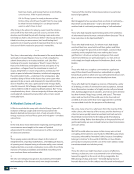
Ashley Allen, MSW, LMSW, completed her
Master’s in Social Work at Monmouth University,
where she also was selected to coordinate and
present the School of Social Work’s Annual
Clinical Lecture Series. Her lecture series focused
on children born and/or raised in cultic groups,
with a special focus on issues of human rights.
She has presented on cults, with a particular
focus on those born or raised in them, at various mental-health
agencies, at universities, and at the National Association of Social
Workers (NASW) annual conference in New Jersey. Ms. Allen
gained a breadth of experience volunteering at the Cult Clinic of
JBFCS (Jewish Board of Family and Children’s Services) in New York
City for 3 years and has gone on to work as a therapist with former
cult members in community mental health. She is currently serving
as Outreach Coordinator for ICSA, is on the Board of Directors for
reFOCUS, and is an adjunct instructor at Middle Tennessee State
University. n