11 VOLUME 5 |ISSUE 3 |2014
Notes
[1] S. Freud (1921), p. 126.
[2] D. W. Winnicott (1971), p. 91–92.
[3] S. Freud (1914), p. 53.
[4] Steven Hassan (1988), p. 64–65.
Bibliography
Freud, S. (1914). Remembering, repeating, and working-
through (further recommendations on the technique
of psycho-analysis II). In James Strachey (Ed.), Complete
psychological works of Sigmund Freud (SE 12, pp. 145–156).
Freud, S. (1921). Group psychology and the analysis of the
ego. In James Strachey (Ed.), Complete psychological works of
Sigmund Freud (SE 18, pp. 65–144).
Fromm, Erich (1947). Man for himself. New York, NY: Henry
Holt.
Hassan, Steven. (1988). Combatting cult mind control.
Rochester, VT: Park Street Press.
Lalich, Janja. (2004). Bounded choice. Berkeley, CA: University
of California Press.
Lifton, R. (1961). Thought reform and the psychology of
totalism. New York, NY: Norton Library.
Shaw, D. (2014). Traumatic narcissism. New York, NY:
Routledge.
West, L. J., &Martin, P. (1998). Pseudo-identity and the
treatment of personality change in victims of captivity and
cults. In S. J. Lynn and J. Rhue (Eds.), Dissociation (pp. 268–
288). New York, NY: Guilford Press.
Winnicott, D. W. (1971). Playing and reality. London, England:
Tavistock Press.
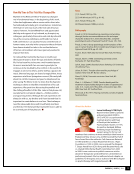
About the Author
Lorna Goldberg, LCSW, PsyA,
Board member (2003 to present)
and past president (2008 to
2012) of ICSA, is a psychoanalyst
in private practice and Dean
of Faculty at the Institute of
Psychoanalytic Studies. In 1976,
she and her husband, William
Goldberg, began facilitating a
support group for former cult
members that continues to meet monthly in their home in
Englewood, New Jersey. Lorna and Bill received the Hall of
Fame Award from the authentic Cult Awareness Network
in 1989 and the Leo J. Ryan Award from the Leo J. Ryan
Foundation in 1999. In 2009, Lorna received the Margaret
T. Singer Award from ICSA. Along with Rosanne Henry, she
co-chaired ICSA’s Mental Health Committee from 2003
to 2008. Lorna continues to publish numerous articles
about her therapeutic work with former cult members in
professional journals. She has authored a book chapter on
guidelines for therapists and co-authored with Bill a chapter
on psychotherapy with targeted parents. n
How My Time in This Field Has Changed Me
My time in this field over these 40 years has changed
me in fundamental ways. In the beginning of this work,
I often had nightmares after a session with a client who
had endured particularly grim circumstances. Sometimes,
I feel that I’ve seen too much of the evil side of human
nature. However, I’ve benefitted from and appreciated
the help and support of my husband my therapist my
colleagues, particularly those who work side by side with
me at the recovery workshops and friends I’ve met at
ICSA conferences. I can say that I’ve also seen the best of
human nature, not only in the compassion these clinicians
have demonstrated, but also in the resilient behavior
of former cult members who have rigorously worked to
improve their lives.
I’m relieved that my brother has been in my life over
these past 38 years to share the ups and downs of family
life. He has been free to become a well-rounded person.
He now is married with two sons and a good job. He
continues to be troubled by the conflicts in the world, he
engages in service to others, and he still has a passion for
music. (Not too long ago, we shared a magical New Jersey
experience at a Bruce Springsteen concert.) We rarely talk
about his cult life. However, last year, he telephoned me
after seeing The Master to let me know that the hypnotic
techniques shown in that film reminded him of his cult
experience. We spent time discussing the parallels and
the chilling aftereffect of this film. Later in that phone call,
we returned to our typical subjects—children, politics,
and upcoming events. Although the cult experience will
always be with us, my brother and I have learned that it’s
important to create balance in our lives. There’s always a
need for pleasurable times with loved family members
and friends. I feel fortunate that my brother now is able to
be a central part of that pleasure. n
Notes
[1] S. Freud (1921), p. 126.
[2] D. W. Winnicott (1971), p. 91–92.
[3] S. Freud (1914), p. 53.
[4] Steven Hassan (1988), p. 64–65.
Bibliography
Freud, S. (1914). Remembering, repeating, and working-
through (further recommendations on the technique
of psycho-analysis II). In James Strachey (Ed.), Complete
psychological works of Sigmund Freud (SE 12, pp. 145–156).
Freud, S. (1921). Group psychology and the analysis of the
ego. In James Strachey (Ed.), Complete psychological works of
Sigmund Freud (SE 18, pp. 65–144).
Fromm, Erich (1947). Man for himself. New York, NY: Henry
Holt.
Hassan, Steven. (1988). Combatting cult mind control.
Rochester, VT: Park Street Press.
Lalich, Janja. (2004). Bounded choice. Berkeley, CA: University
of California Press.
Lifton, R. (1961). Thought reform and the psychology of
totalism. New York, NY: Norton Library.
Shaw, D. (2014). Traumatic narcissism. New York, NY:
Routledge.
West, L. J., &Martin, P. (1998). Pseudo-identity and the
treatment of personality change in victims of captivity and
cults. In S. J. Lynn and J. Rhue (Eds.), Dissociation (pp. 268–
288). New York, NY: Guilford Press.
Winnicott, D. W. (1971). Playing and reality. London, England:
Tavistock Press.
About the Author
Lorna Goldberg, LCSW, PsyA,
Board member (2003 to present)
and past president (2008 to
2012) of ICSA, is a psychoanalyst
in private practice and Dean
of Faculty at the Institute of
Psychoanalytic Studies. In 1976,
she and her husband, William
Goldberg, began facilitating a
support group for former cult
members that continues to meet monthly in their home in
Englewood, New Jersey. Lorna and Bill received the Hall of
Fame Award from the authentic Cult Awareness Network
in 1989 and the Leo J. Ryan Award from the Leo J. Ryan
Foundation in 1999. In 2009, Lorna received the Margaret
T. Singer Award from ICSA. Along with Rosanne Henry, she
co-chaired ICSA’s Mental Health Committee from 2003
to 2008. Lorna continues to publish numerous articles
about her therapeutic work with former cult members in
professional journals. She has authored a book chapter on
guidelines for therapists and co-authored with Bill a chapter
on psychotherapy with targeted parents. n
How My Time in This Field Has Changed Me
My time in this field over these 40 years has changed
me in fundamental ways. In the beginning of this work,
I often had nightmares after a session with a client who
had endured particularly grim circumstances. Sometimes,
I feel that I’ve seen too much of the evil side of human
nature. However, I’ve benefitted from and appreciated
the help and support of my husband my therapist my
colleagues, particularly those who work side by side with
me at the recovery workshops and friends I’ve met at
ICSA conferences. I can say that I’ve also seen the best of
human nature, not only in the compassion these clinicians
have demonstrated, but also in the resilient behavior
of former cult members who have rigorously worked to
improve their lives.
I’m relieved that my brother has been in my life over
these past 38 years to share the ups and downs of family
life. He has been free to become a well-rounded person.
He now is married with two sons and a good job. He
continues to be troubled by the conflicts in the world, he
engages in service to others, and he still has a passion for
music. (Not too long ago, we shared a magical New Jersey
experience at a Bruce Springsteen concert.) We rarely talk
about his cult life. However, last year, he telephoned me
after seeing The Master to let me know that the hypnotic
techniques shown in that film reminded him of his cult
experience. We spent time discussing the parallels and
the chilling aftereffect of this film. Later in that phone call,
we returned to our typical subjects—children, politics,
and upcoming events. Although the cult experience will
always be with us, my brother and I have learned that it’s
important to create balance in our lives. There’s always a
need for pleasurable times with loved family members
and friends. I feel fortunate that my brother now is able to
be a central part of that pleasure. n