10 ICSA TODAY
behind the clients’ actions is more important than to quickly
judge those actions. However, while I attempt to understand
how we can see mind-control techniques as influencing
cult members’ antisocial or
callous acts, I also find myself
morally repelled by the cult
leaders’ actions, and containing
my reactions is often difficult.
For the most part, my moral
outrage seems helpful to those
clients who have difficulty
objectifying the cult leader’s
harm and tend to blame
themselves for the harmful
behavior, as they had learned
to do in the cult. However, at times, blaming themselves for
the abusive behavior of others is extension of their early
childhood thinking. At times, I have been horrified at the
terrible circumstances my clients have endured. Even so, I
continue to encourage them to explore their experiences.
I’ve often relied on my own therapy to work out my feelings
of horror, because my clients need me to be open to hearing
their story.
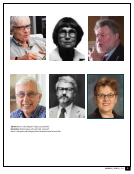
Dr. Louis Jolyon (“Jolly”) West, along with Clark, Singer, and
Lifton, viewed this field as central to the study of human
rights. In fact, West previously had worked to promote
civil rights in the United States and South Africa. From
West, I learned about hypnosis and how sleep deprivation
leads to personality change. He explained how prolonged,
chronic loss of sleep, combined with an experience of
increased dependency on one’s “captors,” ultimately leads to
personality changes.
Later, Jolly West and Paul Martin wrote about how we can
use the concept of identification with the aggressor to
understand the transformation of personalities that occurs
in cults (1998). I’ve seen how cult members are influenced
to take on both the leader’s attitudes and view of the world.
Also, through identification with
the aggressor, they often will take
on the leader’s contemptuous
view of all recruits. As a result of
this attitude, they often begin
to harbor feelings of shame
and self-loathing. However, as a
psychoanalyst, I generally need to
explore what character traits the
cult leader influenced and what
areas remain untouched.
More recently, my understanding of cult influence has been
enhanced by Janja Lalich’s consideration of this progression
as a two-person process. Lalich has demonstrated that
former cult members, through “bounded choice,” participate
in their own indocrtination and resocialization (2004). That
is, cult leaders demand proof of loyalty, and cult recruits
believe that by renouncing
previously held views (which
now have become devalued)
they are attaining the path to
purity. Shaw has been helpful
in describing the cult leader
of this relational system as a
traumatizing narcissist (2014).
From all of the pioneers in the
cultic field, I have learned about
compassion, courage, and basic
decency. Clark, Singer, Lifton,
and West all were attacked by the cults, and they continued
to persevere in the face of sometimes--vicious treatment.
Furthermore, when I first met all of them, I was the
heartbroken and confused sister of a cult member, and each
one of them reached out to help me. Jack and Margaret
were there from the beginning. Jolly was in the audience
the first time Bill and I presented information about our
support group. At the end of my presentation, Jolly gave
me a smile and an encouraging “thumbs up.” I can only
tell you that gesture meant the world to a young person
who was dealing with tremendous anxiety about public
speaking and was filled with doubts as she presented her
work professionally for the first time. My brother was able to
spend time with Margaret Singer and Robert Lifton after his
cult departure, and I believe those interactions helped in his
recovery.
Since I’ve been involved with ICSA, I’ve learned from Dr.
Michael Langone. He has been a model of organization,
tirelessness, good judgment, and patience. Through Michael,
I’ve come to recognize the importance of research. Research
substantiates our clinical work. Additionally, Michael has
always been there, encouraging Bill and me to write about
our clinical work. This support
has pushed us to better appraise
and sharpen our skills and search
for the links between our clinical
experience, research, and previous
theory in the field. Michael tends
to remain in the background,
encouraging others to move
forward and get the credit when he
often has suggested a topic, done
the groundwork, and worked on
the final editing of a project. Furthermore, Michael has the
flexibility to simultaneously look at the larger picture and
take care of every small detail.
My time in this field
over these 40 years
has changed me in
fundamental ways.
From all of the pioneers
in the cultic field, I
have learned about
compassion, courage,
and basic decency.
behind the clients’ actions is more important than to quickly
judge those actions. However, while I attempt to understand
how we can see mind-control techniques as influencing
cult members’ antisocial or
callous acts, I also find myself
morally repelled by the cult
leaders’ actions, and containing
my reactions is often difficult.
For the most part, my moral
outrage seems helpful to those
clients who have difficulty
objectifying the cult leader’s
harm and tend to blame
themselves for the harmful
behavior, as they had learned
to do in the cult. However, at times, blaming themselves for
the abusive behavior of others is extension of their early
childhood thinking. At times, I have been horrified at the
terrible circumstances my clients have endured. Even so, I
continue to encourage them to explore their experiences.
I’ve often relied on my own therapy to work out my feelings
of horror, because my clients need me to be open to hearing
their story.
Dr. Louis Jolyon (“Jolly”) West, along with Clark, Singer, and
Lifton, viewed this field as central to the study of human
rights. In fact, West previously had worked to promote
civil rights in the United States and South Africa. From
West, I learned about hypnosis and how sleep deprivation
leads to personality change. He explained how prolonged,
chronic loss of sleep, combined with an experience of
increased dependency on one’s “captors,” ultimately leads to
personality changes.
Later, Jolly West and Paul Martin wrote about how we can
use the concept of identification with the aggressor to
understand the transformation of personalities that occurs
in cults (1998). I’ve seen how cult members are influenced
to take on both the leader’s attitudes and view of the world.
Also, through identification with
the aggressor, they often will take
on the leader’s contemptuous
view of all recruits. As a result of
this attitude, they often begin
to harbor feelings of shame
and self-loathing. However, as a
psychoanalyst, I generally need to
explore what character traits the
cult leader influenced and what
areas remain untouched.
More recently, my understanding of cult influence has been
enhanced by Janja Lalich’s consideration of this progression
as a two-person process. Lalich has demonstrated that
former cult members, through “bounded choice,” participate
in their own indocrtination and resocialization (2004). That
is, cult leaders demand proof of loyalty, and cult recruits
believe that by renouncing
previously held views (which
now have become devalued)
they are attaining the path to
purity. Shaw has been helpful
in describing the cult leader
of this relational system as a
traumatizing narcissist (2014).
From all of the pioneers in the
cultic field, I have learned about
compassion, courage, and basic
decency. Clark, Singer, Lifton,
and West all were attacked by the cults, and they continued
to persevere in the face of sometimes--vicious treatment.
Furthermore, when I first met all of them, I was the
heartbroken and confused sister of a cult member, and each
one of them reached out to help me. Jack and Margaret
were there from the beginning. Jolly was in the audience
the first time Bill and I presented information about our
support group. At the end of my presentation, Jolly gave
me a smile and an encouraging “thumbs up.” I can only
tell you that gesture meant the world to a young person
who was dealing with tremendous anxiety about public
speaking and was filled with doubts as she presented her
work professionally for the first time. My brother was able to
spend time with Margaret Singer and Robert Lifton after his
cult departure, and I believe those interactions helped in his
recovery.
Since I’ve been involved with ICSA, I’ve learned from Dr.
Michael Langone. He has been a model of organization,
tirelessness, good judgment, and patience. Through Michael,
I’ve come to recognize the importance of research. Research
substantiates our clinical work. Additionally, Michael has
always been there, encouraging Bill and me to write about
our clinical work. This support
has pushed us to better appraise
and sharpen our skills and search
for the links between our clinical
experience, research, and previous
theory in the field. Michael tends
to remain in the background,
encouraging others to move
forward and get the credit when he
often has suggested a topic, done
the groundwork, and worked on
the final editing of a project. Furthermore, Michael has the
flexibility to simultaneously look at the larger picture and
take care of every small detail.
My time in this field
over these 40 years
has changed me in
fundamental ways.
From all of the pioneers
in the cultic field, I
have learned about
compassion, courage,
and basic decency.