VOLUME 3 |NUMBER 2 |2012 7
First, some background information. People don’t join cults.
They are deceived and purposefully recruited. The majority
are in some sort of normal human transition stage in life,
such as leaving high school for college, leaving college for
the “real world,” experiencing the breakup of a relationship
or marriage, losing a job, moving to a new location, retiring.
And along comes a group of what seem like the most
wonderful people from the most wonderful group with the
most wonderful goals who show them love, acceptance,
and a “higher purpose.”Many people have the mistaken
idea that only troubled people from troubled families get
involved in these groups. Cults don’t want troubled people.
They want bright, dedicated, idealistic, energetic people to
raise money, do the work of the group, and recruit new people.
So how do you help former members? Here are some
suggestions:
• Encourage them to get information to help them
understand what happened to them in the group, and
to help them recover from it (sources of information
listed in the Resources at end).
• Understand that you will need to earn their trust—they
have had their trust violated so badly by a group that
looked good.
• At times they may be triggered by words that were “loaded”
in the group: the use of some scriptures that the group
twisted and emphasized, even some hymns that were sung
in the group dynamics—normal things that are used in
healthy churches—can be a source of a trigger to them.
Just understand, and make it okay if they need to leave
the current setting should this happen.
• Understand that they may not want to share their story—
they need to build healthy personal boundaries. Respect
their boundaries. The groups build unhealthy boundaries
between members and the “outside” world, tear down
their healthy boundaries, and encourage them to bare
their souls and confess all to other group members and
leaders. It takes time to reestablish their healthy
boundaries after they have left.
• When they need to talk, listen to them. They need a voice,
on their own time.
• Encourage them to ask questions, and let them know that
it’s okay to disagree.
• They need respect and love as they struggle through their
recovery issues.
What Are the Recovery Issues Facing Former Members?
1. Identity Crisis
• Who am I now? For those born/raised in high-demand
groups, who am I?
• What do I believe?
2. Feelings of being disconnected a sense of purposelessness
3. Grief
• For the people I left behind
• Loss of a cause
• Loss of “belonging”
• Loss of what I had to give up in order to join group
• Loss of innocence
• Loss of career goals finances belongings
• Missing the “buzz” looking for it elsewhere
• Anger
4. Boundary issues
• Rebuilding healthy boundaries—creating a safe place
to heal
• Learning it’s okay not to divulge everything to everyone
• Learning how the group tore down the boundaries
between other group members/leaders and me
• Learning how the group built up unhealthy boundaries
between the outside world and me
5. Trust issues
• Testing the waters, building up a relationship before I
trust someone—developing healthy boundaries
6. “Magical thinking” of cultic group, spiritualizing everything
7. Varying symptoms of post traumatic stress
• Panic attacks
• Floating/triggers
• Nightmares
• Sleep disorders
• Inability to make decisions
• Inability to concentrate
• Fears not grounded in reality—fear the group was “right”
when they told me something bad would happen to me
if I left
• Hypervigilance
8. Difficulty with relationships and authority figures
9. Underemployment
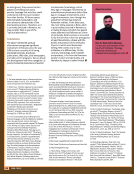
About the Author
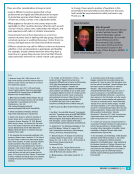
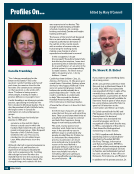
Carol Giambalvo
is a cofounder of reFOCUS, a national
support network for former cult
members. She is on ICSA’s Board of
Directors, is Director of ICSA’s recovery
programs, and is responsible for its
Project Outreach. She is author of Exit
Counseling: A Family Intervention, co-
editor of The Boston Movement: Critical
Perspectives on the International Churches of Christ, and
co-author of “Ethical Standards for Thought Reform
Consultants.” She received ICSA’s 2008 Margaret T. Singer
Award. Carol.giambalvo@icsamail.com ■
Resources
International Cultic Studies Association:
http://www.icsahome.com/infoserv_topic_collections/tpcol_exmember.asp
reFOCUS: http://www.refocus.org (many articles on recovery)
Recovery workshops: http://www.icsahome.com/idx_events.conferences.htm
Books: Take Back Your Life by Janja Lalich and Madeleine Tobias, Bay Tree Publishing,
http://icsahome.com/infoserv_respond/bookstore.asp (scroll down)
First, some background information. People don’t join cults.
They are deceived and purposefully recruited. The majority
are in some sort of normal human transition stage in life,
such as leaving high school for college, leaving college for
the “real world,” experiencing the breakup of a relationship
or marriage, losing a job, moving to a new location, retiring.
And along comes a group of what seem like the most
wonderful people from the most wonderful group with the
most wonderful goals who show them love, acceptance,
and a “higher purpose.”Many people have the mistaken
idea that only troubled people from troubled families get
involved in these groups. Cults don’t want troubled people.
They want bright, dedicated, idealistic, energetic people to
raise money, do the work of the group, and recruit new people.
So how do you help former members? Here are some
suggestions:
• Encourage them to get information to help them
understand what happened to them in the group, and
to help them recover from it (sources of information
listed in the Resources at end).
• Understand that you will need to earn their trust—they
have had their trust violated so badly by a group that
looked good.
• At times they may be triggered by words that were “loaded”
in the group: the use of some scriptures that the group
twisted and emphasized, even some hymns that were sung
in the group dynamics—normal things that are used in
healthy churches—can be a source of a trigger to them.
Just understand, and make it okay if they need to leave
the current setting should this happen.
• Understand that they may not want to share their story—
they need to build healthy personal boundaries. Respect
their boundaries. The groups build unhealthy boundaries
between members and the “outside” world, tear down
their healthy boundaries, and encourage them to bare
their souls and confess all to other group members and
leaders. It takes time to reestablish their healthy
boundaries after they have left.
• When they need to talk, listen to them. They need a voice,
on their own time.
• Encourage them to ask questions, and let them know that
it’s okay to disagree.
• They need respect and love as they struggle through their
recovery issues.
What Are the Recovery Issues Facing Former Members?
1. Identity Crisis
• Who am I now? For those born/raised in high-demand
groups, who am I?
• What do I believe?
2. Feelings of being disconnected a sense of purposelessness
3. Grief
• For the people I left behind
• Loss of a cause
• Loss of “belonging”
• Loss of what I had to give up in order to join group
• Loss of innocence
• Loss of career goals finances belongings
• Missing the “buzz” looking for it elsewhere
• Anger
4. Boundary issues
• Rebuilding healthy boundaries—creating a safe place
to heal
• Learning it’s okay not to divulge everything to everyone
• Learning how the group tore down the boundaries
between other group members/leaders and me
• Learning how the group built up unhealthy boundaries
between the outside world and me
5. Trust issues
• Testing the waters, building up a relationship before I
trust someone—developing healthy boundaries
6. “Magical thinking” of cultic group, spiritualizing everything
7. Varying symptoms of post traumatic stress
• Panic attacks
• Floating/triggers
• Nightmares
• Sleep disorders
• Inability to make decisions
• Inability to concentrate
• Fears not grounded in reality—fear the group was “right”
when they told me something bad would happen to me
if I left
• Hypervigilance
8. Difficulty with relationships and authority figures
9. Underemployment
About the Author
Carol Giambalvo
is a cofounder of reFOCUS, a national
support network for former cult
members. She is on ICSA’s Board of
Directors, is Director of ICSA’s recovery
programs, and is responsible for its
Project Outreach. She is author of Exit
Counseling: A Family Intervention, co-
editor of The Boston Movement: Critical
Perspectives on the International Churches of Christ, and
co-author of “Ethical Standards for Thought Reform
Consultants.” She received ICSA’s 2008 Margaret T. Singer
Award. Carol.giambalvo@icsamail.com ■
Resources
International Cultic Studies Association:
http://www.icsahome.com/infoserv_topic_collections/tpcol_exmember.asp
reFOCUS: http://www.refocus.org (many articles on recovery)
Recovery workshops: http://www.icsahome.com/idx_events.conferences.htm
Books: Take Back Your Life by Janja Lalich and Madeleine Tobias, Bay Tree Publishing,
http://icsahome.com/infoserv_respond/bookstore.asp (scroll down)