22 ICSA TODAY
into Romania (Scientology, certain
New Age or neopagan movements) b)
autochthonous phenomena (other New
Age or neopagan movements) and c)
original movements, born through the
adjustment of New Age tenets to
Romanian realities. In the latter case,
the most telling example is Reiki, which
is quite widely practiced in Romania as
a healing therapy and which has gained
many adherents and followers as a form
of spirituality. Reiki’s success is accounted
for by the fact that it does not presuppose,
at least theoretically, a break with the
beliefs and practices of the Orthodox
Church, to which most Romanians
belong. Reiki claims only to read
orthodoxy in a different key. On the
contrary, Scientology, with its beliefs
and practices, is far from the Romanian
people’s culture and spirituality, and
therefore its impact is rather limited.
as idols (gurus) they evinced certain
patterns in thinking and used a
peculiar language that only they could
understand and they were isolated
from their families. All these aspects
demonstrated manipulation, and
even elements characteristic of the
brainwashing process. Therefore, as it
is currently practiced in Romania, we
may consider Reiki as one of the
“spiritual alternatives.”
Conclusions
The above-mentioned spiritual
alternatives have gained significant
momentum in Romania since the year
2000 and are currently in full swing,
promoted by books, brochures,
publications, Web sites, daily newspapers,
and radio and TV programs. We can divide
this development into three categories: a)
purely Occidental phenomena imported
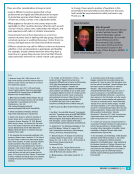
About the Author
Rev. Dr. Radu Petre Mureşan
is a lecturer and member of the
Faculty of Orthodox Theology,
University of Bucharest
(radupetremuresan@gmail.com).
Notes
1. The latest population census in Romania took place
between October 22 and 31, 2011, and the official
results are expected to be released this year.
2. Mălina Voicu, “România religioasă. Pe valul european
sau în urma lui?” [“Religious Romania: Riding the
European Wave or Lagging Behind It?”], Institutul
European, 2007, p. 54. The international research
project European Values Survey is periodically conducted
in all European countries to explore Europeans’ values.
In Romania, two research sessions were conducted in
1993 and 1999, respectively. Their results also have
been analyzed by Elena Iulia Gheorghiu, “Religiozitate
şi creştinism în România post-comunistă”
[“Religiosity and Christianity in Post-Communist
Romania”], Sociologie românească [Romanian
Sociology], No. 3 (2003), pp. 102–121.
3. For mor e information about the New Age in the
Romanian language, see Rev. Dan Bădulescu, Împărăţia
răului. New Age Originile, istoricul, doctrinele şi
consecinţele sale din perspectivă ortodoxă [The Kingdom
of Evil: New Age. Its Origins, History, Doctrines and
Consequences from an Orthodox Perspective],
Christiana, 2001 Wilhelm Dancă, “New Age sau Era
Vărsătorului. Religia postmodernităţii?” [“New Age or
the Age of Aquarius: The Religion of Postmodernity?”]
in Fascinaţia binelui. Creştinism şi postmodernitate
[The Fascination of Good: Christianity versus Post-
modernity], Sapientia, 2007 Wűrtz, Bruno, New Age.
Paradigma holistă sau revrăjirea Vărsătorului [New
Age: The Holistic Paradigm or the Re-enchantment
of the Aquarius], Timişoara, 1994 Rev. Dr. Nicolae
Achimescu, Noile Mişcări Reiligioase [The New
Religious Movements], Cluj Napoca: Limes (2002),
pp. 229–270 Rev. Ciprian Marius Cloşcă, Ortodoxia şi
Noile Mişcări Religioase [Orthodoxy and the New
Religious Movements], Iaşi: Lumen (2009), pp. 199–266.
4. From the official Ramtha School of Enlightenment (RSI)
site in Romania, http://www.ram-romania.ro/ram-romania/
index.php
5. In 2009, the following books were published by
Mastering Mind and Soul (MMS) publishing house: Cine
suntem noi de fapt [Who We Actually Are], Trezirea la o
viaţă extraordinară [Awakening to an Extraordinary
Life], Ghidul începătorului pentru crearea realităţii. O
introducere în învăţăturile lui Ramtha [The Beginner’s
Guide to Creating Reality: An Introduction to Ramtha’s
Teachings].
6. Dumnezeul de mâine- cea mai mare provocare
spirituală a noastră [Tomorrow’s God: Our Greatest
Spiritual Challenge] (For You, 2006) Acasă cu Dumnezeu,
într-o viaţă care nu se sfârşeşte niciodată [Home with God,
in a Life That Never Ends] (For You, 2007) Conversaţii
cu Dumnezeu [Conversations with God], Vol. 3 (For You,
2008) Ce vrea Dumnezeu [What God Wants] (For You,
2009) and so on.
7. For more information on neopaganism, see the
articles written by Rev. Dr. Nicolae Achimescu, published
in the Lumina daily newspaper of the Romanian Orthodox
Church. Rev. Dr. Radu Petre Mureşan, “Forme ale
neopăgânismului în societatea contemporană” [“Forms
of Neopaganism in Contemporary Society”], The
Yearbook of the Faculty of Orthodox Theology,
Bucharest University Publishing House, year IX (2009),
pp. 685–708.
8. http://www.ro.paganfederation.org/activitati.html
9. http://www15.brinkster.com/romaniancoven/index.html
10. http://www.gebeleizis.org/
11. Tiberiu Fărcaş, “Religia lui Tom Cruise şi John
Travolta vine la Cluj” [“The Religion of Tom Cruise and
John Travolta comes to Cluj”] in Ziarul de Cluj, July 29,
2008 Dumitru Manolache, “Biserica Scientologica
încearcă să-şi facă adepţi in Romania” [“The Church
of Scientology attempts to gain adherents in
Romania”], Gardianul, August 2, 2008 Sorin Grecu,
“Scientologii caută adepţi şi la Cluj-Napoca”
[“Scientologists Seek to Recruit Adherents in Cluj
Napoca”], published in Cetăţeanul Clujean [The Cluj
Citizen], August 5, 2008 Georgeta Petrovici, “Biserica
Scientologică a ieşit cu fast la racolat bănăţeni” [“The
Church of Scientology Holds Festivities to Recruit
Citizens”], Evenimentul Zilei, Thursday, December 18,
2008 “Tom Cruise caută moldoveni pentru Biserica
Scientologica” [“Tom Cruise Seeks Moldavians for the
Church of Scientology”], Evenimentul Zilei, Friday, May
16, 2008 Andreea Archip, “Biserica lui Tom Cruise
caută adepţi la Iaşi” [“Tom Cruise’s Church Seeks
Adherents in Iaşi”], Evenimentul Zilei, May 15, 2008.
12. Rev. Dr. Radu Petre Mureşan, “Scientologia: religie
sau știinţă?” [“Scientology: Religion or Science?”],
Theological Studies (The Journal of the Faculties of
Theology within the Romanian Patriarchate), year III
(January–March 2007), pp. 101–130 Rev. Dr. Nicolae
Achimescu, “Noile Mişcări Religioase” [“New Religious
Movements”], Limes, Cluj Napoca, 2002, pp. 201–228
Rev. Dr. Ciprian Marius Cloşcă, “Ortodoxia şi Noile
Mişcări Religioase” [“Orthodoxy and the New Religious
Movements”], Lumen, Iaşi, 2009, pp. 161–173.
13. Rev. Dr. Radu Petre Mureşan, “Reiki,” The Yearbook
of the Faculty of Orthodox Theology, Bucharest
University Publishing House, year X, 2010, pp.
417–440.
14. Ovidiu Dragoş Argeşanu, “Reiki. Între mit şi
realitate” [“Reiki: Between Myth and Reality”], Dao Psi,
2008 Constantin Gheorghiţă, “InfoReiki,” Dao Psi,
2009 Dumitru Hristenco, “Reiki modern” [“Modern
Reiki”], Teora, 2002 Dumitru Hristenco, “Reiki
tradiţional. De la gradul I la maestru” [“Traditional
Reiki: From Level One to Master”], Teora, 2008 Risvan
Vlad Rusu, “Compendiu ilustrat de Reiki” [“Illustrated
Reiki Compendium”], Dao Psi, 2007.
into Romania (Scientology, certain
New Age or neopagan movements) b)
autochthonous phenomena (other New
Age or neopagan movements) and c)
original movements, born through the
adjustment of New Age tenets to
Romanian realities. In the latter case,
the most telling example is Reiki, which
is quite widely practiced in Romania as
a healing therapy and which has gained
many adherents and followers as a form
of spirituality. Reiki’s success is accounted
for by the fact that it does not presuppose,
at least theoretically, a break with the
beliefs and practices of the Orthodox
Church, to which most Romanians
belong. Reiki claims only to read
orthodoxy in a different key. On the
contrary, Scientology, with its beliefs
and practices, is far from the Romanian
people’s culture and spirituality, and
therefore its impact is rather limited.
as idols (gurus) they evinced certain
patterns in thinking and used a
peculiar language that only they could
understand and they were isolated
from their families. All these aspects
demonstrated manipulation, and
even elements characteristic of the
brainwashing process. Therefore, as it
is currently practiced in Romania, we
may consider Reiki as one of the
“spiritual alternatives.”
Conclusions
The above-mentioned spiritual
alternatives have gained significant
momentum in Romania since the year
2000 and are currently in full swing,
promoted by books, brochures,
publications, Web sites, daily newspapers,
and radio and TV programs. We can divide
this development into three categories: a)
purely Occidental phenomena imported
About the Author
Rev. Dr. Radu Petre Mureşan
is a lecturer and member of the
Faculty of Orthodox Theology,
University of Bucharest
(radupetremuresan@gmail.com).
Notes
1. The latest population census in Romania took place
between October 22 and 31, 2011, and the official
results are expected to be released this year.
2. Mălina Voicu, “România religioasă. Pe valul european
sau în urma lui?” [“Religious Romania: Riding the
European Wave or Lagging Behind It?”], Institutul
European, 2007, p. 54. The international research
project European Values Survey is periodically conducted
in all European countries to explore Europeans’ values.
In Romania, two research sessions were conducted in
1993 and 1999, respectively. Their results also have
been analyzed by Elena Iulia Gheorghiu, “Religiozitate
şi creştinism în România post-comunistă”
[“Religiosity and Christianity in Post-Communist
Romania”], Sociologie românească [Romanian
Sociology], No. 3 (2003), pp. 102–121.
3. For mor e information about the New Age in the
Romanian language, see Rev. Dan Bădulescu, Împărăţia
răului. New Age Originile, istoricul, doctrinele şi
consecinţele sale din perspectivă ortodoxă [The Kingdom
of Evil: New Age. Its Origins, History, Doctrines and
Consequences from an Orthodox Perspective],
Christiana, 2001 Wilhelm Dancă, “New Age sau Era
Vărsătorului. Religia postmodernităţii?” [“New Age or
the Age of Aquarius: The Religion of Postmodernity?”]
in Fascinaţia binelui. Creştinism şi postmodernitate
[The Fascination of Good: Christianity versus Post-
modernity], Sapientia, 2007 Wűrtz, Bruno, New Age.
Paradigma holistă sau revrăjirea Vărsătorului [New
Age: The Holistic Paradigm or the Re-enchantment
of the Aquarius], Timişoara, 1994 Rev. Dr. Nicolae
Achimescu, Noile Mişcări Reiligioase [The New
Religious Movements], Cluj Napoca: Limes (2002),
pp. 229–270 Rev. Ciprian Marius Cloşcă, Ortodoxia şi
Noile Mişcări Religioase [Orthodoxy and the New
Religious Movements], Iaşi: Lumen (2009), pp. 199–266.
4. From the official Ramtha School of Enlightenment (RSI)
site in Romania, http://www.ram-romania.ro/ram-romania/
index.php
5. In 2009, the following books were published by
Mastering Mind and Soul (MMS) publishing house: Cine
suntem noi de fapt [Who We Actually Are], Trezirea la o
viaţă extraordinară [Awakening to an Extraordinary
Life], Ghidul începătorului pentru crearea realităţii. O
introducere în învăţăturile lui Ramtha [The Beginner’s
Guide to Creating Reality: An Introduction to Ramtha’s
Teachings].
6. Dumnezeul de mâine- cea mai mare provocare
spirituală a noastră [Tomorrow’s God: Our Greatest
Spiritual Challenge] (For You, 2006) Acasă cu Dumnezeu,
într-o viaţă care nu se sfârşeşte niciodată [Home with God,
in a Life That Never Ends] (For You, 2007) Conversaţii
cu Dumnezeu [Conversations with God], Vol. 3 (For You,
2008) Ce vrea Dumnezeu [What God Wants] (For You,
2009) and so on.
7. For more information on neopaganism, see the
articles written by Rev. Dr. Nicolae Achimescu, published
in the Lumina daily newspaper of the Romanian Orthodox
Church. Rev. Dr. Radu Petre Mureşan, “Forme ale
neopăgânismului în societatea contemporană” [“Forms
of Neopaganism in Contemporary Society”], The
Yearbook of the Faculty of Orthodox Theology,
Bucharest University Publishing House, year IX (2009),
pp. 685–708.
8. http://www.ro.paganfederation.org/activitati.html
9. http://www15.brinkster.com/romaniancoven/index.html
10. http://www.gebeleizis.org/
11. Tiberiu Fărcaş, “Religia lui Tom Cruise şi John
Travolta vine la Cluj” [“The Religion of Tom Cruise and
John Travolta comes to Cluj”] in Ziarul de Cluj, July 29,
2008 Dumitru Manolache, “Biserica Scientologica
încearcă să-şi facă adepţi in Romania” [“The Church
of Scientology attempts to gain adherents in
Romania”], Gardianul, August 2, 2008 Sorin Grecu,
“Scientologii caută adepţi şi la Cluj-Napoca”
[“Scientologists Seek to Recruit Adherents in Cluj
Napoca”], published in Cetăţeanul Clujean [The Cluj
Citizen], August 5, 2008 Georgeta Petrovici, “Biserica
Scientologică a ieşit cu fast la racolat bănăţeni” [“The
Church of Scientology Holds Festivities to Recruit
Citizens”], Evenimentul Zilei, Thursday, December 18,
2008 “Tom Cruise caută moldoveni pentru Biserica
Scientologica” [“Tom Cruise Seeks Moldavians for the
Church of Scientology”], Evenimentul Zilei, Friday, May
16, 2008 Andreea Archip, “Biserica lui Tom Cruise
caută adepţi la Iaşi” [“Tom Cruise’s Church Seeks
Adherents in Iaşi”], Evenimentul Zilei, May 15, 2008.
12. Rev. Dr. Radu Petre Mureşan, “Scientologia: religie
sau știinţă?” [“Scientology: Religion or Science?”],
Theological Studies (The Journal of the Faculties of
Theology within the Romanian Patriarchate), year III
(January–March 2007), pp. 101–130 Rev. Dr. Nicolae
Achimescu, “Noile Mişcări Religioase” [“New Religious
Movements”], Limes, Cluj Napoca, 2002, pp. 201–228
Rev. Dr. Ciprian Marius Cloşcă, “Ortodoxia şi Noile
Mişcări Religioase” [“Orthodoxy and the New Religious
Movements”], Lumen, Iaşi, 2009, pp. 161–173.
13. Rev. Dr. Radu Petre Mureşan, “Reiki,” The Yearbook
of the Faculty of Orthodox Theology, Bucharest
University Publishing House, year X, 2010, pp.
417–440.
14. Ovidiu Dragoş Argeşanu, “Reiki. Între mit şi
realitate” [“Reiki: Between Myth and Reality”], Dao Psi,
2008 Constantin Gheorghiţă, “InfoReiki,” Dao Psi,
2009 Dumitru Hristenco, “Reiki modern” [“Modern
Reiki”], Teora, 2002 Dumitru Hristenco, “Reiki
tradiţional. De la gradul I la maestru” [“Traditional
Reiki: From Level One to Master”], Teora, 2008 Risvan
Vlad Rusu, “Compendiu ilustrat de Reiki” [“Illustrated
Reiki Compendium”], Dao Psi, 2007.