Cultic Studies Review, Vol. 8, No. 3, 2009, Page 18
As self-object to his adoring throngs within a cult circle, any leader can be caught up in a
divinization mood. If that leader already has unfulfilled needs for adulation, a disorder of
malignant narcissism, then the totalist cult emerges readily but the fan or devotee is just
as responsible for the deification. This is always a two-way process. Robert Lifton called this
―ideological totalism,‖ wherein the immoderate desires of a group meet the grandiose ideas
of a leader. The leader presents a convincing possibility that he has attained transcendence
or embodies the transcendental purpose, and the group says, ―We want that, too. Show us
the way.‖ This meeting ground takes on a ―momentum of its own,‖ says Lifton, beyond the
initial goals envisioned by the leader or the followers.10
Feeding his narcissism, the leader accommodates the devotion and finds ways to control the
play of forces that surround his position. The more cult members get ―caught up‖ in the
irrational nets of devotion, the less likely it is that they will have their rational feet on the
ground. This is an unstable position because humans are not gods. To sustain the god
illusion, the group and guru must devise strategies to frame perception. Phobias and
paranoid responses inevitably arise due to conflicts with reality, thus creating the circle of
peril. Critical responses from the surround inadvertently feed the peril by fulfilling cult-
induced perceptions of an enemy ready to destroy the seeker‘s soul by creating doubt and
inviting defection from the divine path.
Acknowledging the transcendental goal does not mean it is achievable, necessary, or even
desirable. How we live with God may be more valid and viable than becoming God. To use
another metaphor, we can acknowledge that the sun is necessary for our existence, but that
does not mean that being closer to the sun increases our existence. Narcissistic leaders
would have us believe that their techniques can hurtle us toward that sun of transcendence,
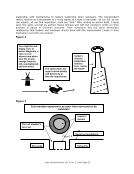
while skeptics ridicule their antics and opponents curse their lies. One image of pseudo-
transcendence comes from Transcendental Meditation devotees (TMers) who claim to ―fly‖
as they hop around while holding a seated lotus position. The group members call this the
first stage of ―yogic flying‖ and will produce many pseudo-scientific studies to support their
sacred claims. Manipulative cults have come up with a wide variety of Towers of Babel for
millennia.
To expose the false beliefs, the deprogrammer must not only convince the cult member that
his perceptions are not defective but also point out how the group managers and leader
have manipulated those very perceptions and behaviors. Moreover, a cult member will
choose to defect only with a realization that a less restricted mind offers better options for a
better life. My job, the deprogrammer‘s job, is to reinforce healthy ways of using
information. Brain science indicates that a healthy brain is one that continues to stop and
think. As Kathleen Taylor indicates in her book Brainwashing, a healthy brain function is not
stuck in thought patterns or to a flawed organizing principle like an addiction to a drug, a
false belief, or a highly constrained social system.
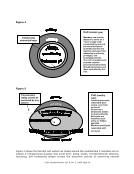
In effect, the deprogrammer‘s job is to raise the seeker‘s awareness back to eye level with
reality, thereby both reducing the perception of exit peril and exposing the false authority of
a leader. He does this to some extent by repeating the process that got the cult member
into the closed system. After gaining rapport, the deprogrammer unveils new ways of seeing
cult experience and behavior. New information may surprise, intrigue, and attract the cult
member to want to hear more. The result is a wider frame of reference, with clearer options
for choice. With access to reliable, reasonable evidence and insight into better options, the
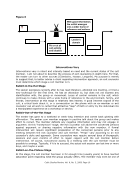
member can navigate safely through an exit and beyond, as Figure 6 illustrates.
As self-object to his adoring throngs within a cult circle, any leader can be caught up in a
divinization mood. If that leader already has unfulfilled needs for adulation, a disorder of
malignant narcissism, then the totalist cult emerges readily but the fan or devotee is just
as responsible for the deification. This is always a two-way process. Robert Lifton called this
―ideological totalism,‖ wherein the immoderate desires of a group meet the grandiose ideas
of a leader. The leader presents a convincing possibility that he has attained transcendence
or embodies the transcendental purpose, and the group says, ―We want that, too. Show us
the way.‖ This meeting ground takes on a ―momentum of its own,‖ says Lifton, beyond the
initial goals envisioned by the leader or the followers.10
Feeding his narcissism, the leader accommodates the devotion and finds ways to control the
play of forces that surround his position. The more cult members get ―caught up‖ in the
irrational nets of devotion, the less likely it is that they will have their rational feet on the
ground. This is an unstable position because humans are not gods. To sustain the god
illusion, the group and guru must devise strategies to frame perception. Phobias and
paranoid responses inevitably arise due to conflicts with reality, thus creating the circle of
peril. Critical responses from the surround inadvertently feed the peril by fulfilling cult-
induced perceptions of an enemy ready to destroy the seeker‘s soul by creating doubt and
inviting defection from the divine path.
Acknowledging the transcendental goal does not mean it is achievable, necessary, or even
desirable. How we live with God may be more valid and viable than becoming God. To use
another metaphor, we can acknowledge that the sun is necessary for our existence, but that
does not mean that being closer to the sun increases our existence. Narcissistic leaders
would have us believe that their techniques can hurtle us toward that sun of transcendence,
while skeptics ridicule their antics and opponents curse their lies. One image of pseudo-
transcendence comes from Transcendental Meditation devotees (TMers) who claim to ―fly‖
as they hop around while holding a seated lotus position. The group members call this the
first stage of ―yogic flying‖ and will produce many pseudo-scientific studies to support their
sacred claims. Manipulative cults have come up with a wide variety of Towers of Babel for
millennia.
To expose the false beliefs, the deprogrammer must not only convince the cult member that
his perceptions are not defective but also point out how the group managers and leader
have manipulated those very perceptions and behaviors. Moreover, a cult member will
choose to defect only with a realization that a less restricted mind offers better options for a
better life. My job, the deprogrammer‘s job, is to reinforce healthy ways of using
information. Brain science indicates that a healthy brain is one that continues to stop and
think. As Kathleen Taylor indicates in her book Brainwashing, a healthy brain function is not
stuck in thought patterns or to a flawed organizing principle like an addiction to a drug, a
false belief, or a highly constrained social system.
In effect, the deprogrammer‘s job is to raise the seeker‘s awareness back to eye level with
reality, thereby both reducing the perception of exit peril and exposing the false authority of
a leader. He does this to some extent by repeating the process that got the cult member
into the closed system. After gaining rapport, the deprogrammer unveils new ways of seeing
cult experience and behavior. New information may surprise, intrigue, and attract the cult
member to want to hear more. The result is a wider frame of reference, with clearer options
for choice. With access to reliable, reasonable evidence and insight into better options, the
member can navigate safely through an exit and beyond, as Figure 6 illustrates.