Cultic Studies Review, Vol. 8, No. 3, 2009, Page 14
under dictatorships that do not, but they tend to thrive in chaotic cultures. In my view, cult
formation is an essential human tendency and not an aberration. Unfortunately for scholars,
the popular mind fueled by media reports and anti-cult literature has identified only
aberrant social groups as cults.
First we will glance at a few symbols that illustrate the structure of a cult.
Figure 1
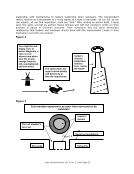
Starting from the left side of Figure 1, one common symbolic structure for cult formation is
the triangle. It indicates a dominant management force or leader at the top overseeing or
lording over a sequence of social layers, with a mass of subservient devotees on the
bottom. Next is the square that symbolizes being ―boxed in‖ by facets that experts in the
field have variously labeled. Arthur Deikman posited four sides of this box: compliance with
a group, dependence on a leader, avoiding dissent, and devaluing outsiders. Janja Lalich,
with her ―bounded choice‖ theory, defines a cult with four attributes that form a self-sealing
system: charismatic authority, transcendent belief system, systems of control, and systems
of influence. Steven Hassan offers four attributes of ―cult mind control‖ in his BITE model:
behavior control, information control, thought control, and emotional control.
The circle is perhaps the obvious and most elegant illustration, as both a symbol and a
metaphor for cult formation: circle of friends, inner circle, sphere of influence, encircled, and
so on. The model I propose expands on the circle to help me explain the reality of harmful
cult experience. In Figure 2, a conical shape illustrates the ―ideal path‖ that seekers are led
to imagine when they enter a transcendent belief system that promises total freedom,
enlightenment, or a way out of mundane or sinful earthly life. The ideal path appears to
spiral up, up, and away into heaven, infinity, or nirvana. The guru is already ―there.‖ The
devotee strives to make his way to salvation guided by the guru. In harmful systems, the
devotee feels progress in the beginning but soon gets stuck between the perilous ―fall‖ back
to where he started and the impossible or inaccessible space ostensibly occupied by the
leader. The devotee remains on a narrow ledge (mimicking the razor‘s edge of Buddhism),
feeling the tension and excitement of being on a ―high‖ path.
Looking at the illustration of the seeker and the leader in Figure 2 from above, we see
something like the models in Figures 3, 4, and 5. Figure 3 offers the actual view an outsider
or critic will have of someone in a harmful cult. The circular path that the group member
believes is a spiral upward is actually a pit or rut, wherein a restrictive lifestyle keeps the
member sealed off from both the social surround and the sacred domain of the leader.
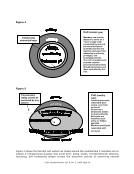
In Figure 4, the unhealthy cult devotee perceives the path as progressing toward
enlightenment and perfection while rising ―up‖ to spiritual freedom, ascension, and
immortality. Circular movement gives the illusion of progress.
Moving to a healthier cult system in Figure 5, we see an expansion into the surround with
less restriction. We find that devotees recognize a more democratic relationship with
Common
Models of Cult
Formation
under dictatorships that do not, but they tend to thrive in chaotic cultures. In my view, cult
formation is an essential human tendency and not an aberration. Unfortunately for scholars,
the popular mind fueled by media reports and anti-cult literature has identified only
aberrant social groups as cults.
First we will glance at a few symbols that illustrate the structure of a cult.
Figure 1
Starting from the left side of Figure 1, one common symbolic structure for cult formation is
the triangle. It indicates a dominant management force or leader at the top overseeing or
lording over a sequence of social layers, with a mass of subservient devotees on the
bottom. Next is the square that symbolizes being ―boxed in‖ by facets that experts in the
field have variously labeled. Arthur Deikman posited four sides of this box: compliance with
a group, dependence on a leader, avoiding dissent, and devaluing outsiders. Janja Lalich,
with her ―bounded choice‖ theory, defines a cult with four attributes that form a self-sealing
system: charismatic authority, transcendent belief system, systems of control, and systems
of influence. Steven Hassan offers four attributes of ―cult mind control‖ in his BITE model:
behavior control, information control, thought control, and emotional control.
The circle is perhaps the obvious and most elegant illustration, as both a symbol and a
metaphor for cult formation: circle of friends, inner circle, sphere of influence, encircled, and
so on. The model I propose expands on the circle to help me explain the reality of harmful
cult experience. In Figure 2, a conical shape illustrates the ―ideal path‖ that seekers are led
to imagine when they enter a transcendent belief system that promises total freedom,
enlightenment, or a way out of mundane or sinful earthly life. The ideal path appears to
spiral up, up, and away into heaven, infinity, or nirvana. The guru is already ―there.‖ The
devotee strives to make his way to salvation guided by the guru. In harmful systems, the
devotee feels progress in the beginning but soon gets stuck between the perilous ―fall‖ back
to where he started and the impossible or inaccessible space ostensibly occupied by the
leader. The devotee remains on a narrow ledge (mimicking the razor‘s edge of Buddhism),
feeling the tension and excitement of being on a ―high‖ path.
Looking at the illustration of the seeker and the leader in Figure 2 from above, we see
something like the models in Figures 3, 4, and 5. Figure 3 offers the actual view an outsider
or critic will have of someone in a harmful cult. The circular path that the group member
believes is a spiral upward is actually a pit or rut, wherein a restrictive lifestyle keeps the
member sealed off from both the social surround and the sacred domain of the leader.
In Figure 4, the unhealthy cult devotee perceives the path as progressing toward
enlightenment and perfection while rising ―up‖ to spiritual freedom, ascension, and
immortality. Circular movement gives the illusion of progress.
Moving to a healthier cult system in Figure 5, we see an expansion into the surround with
less restriction. We find that devotees recognize a more democratic relationship with
Common
Models of Cult
Formation