8
Reciprocity
Make small gifts to your recruit. According to Abu ‘Amr, a
recruiter should build a close, friendly relationship with
recruits before raising political or ideological issues. The
manual instructs recruiters to invite recruits for lunch, send
them text messages, and give them gifts. Because every
recruit requires personal attention, recruiters are told to
target only two people at a time (as cited in Warius &Fishman,
2009). This advice taps into the obligation people feel to
give back and reciprocate, which, when not manipulated, is
a natural flow of give and take in relationships, teams, and
organizations. According to Cialdini, people are more willing
to comply with requests (for favors, services, information,
and concessions) from those who have provided such things
first. The need to belong, to connect, and to create intimate
relationships is a universal human need but it is also this
one area in which most ordinary people feel deprived and
dissatisfied. No wonder, then, that recruitment efforts appear
to be concentrated in relationship areas.
One way recruiters manipulate this human tendency is to give
much attention to a recruit in the beginning. In the manual,
recruiters are told to spend much time studying the subject
(i.e., the recruit) so they get to know everything about the
person being recruited first.
They can study the victim in secret as preparation, or they
can use listening techniques and show a keen interest in the
subject, an approach often mistaken for love. Most people
naturally crave such attention, and especially young people
in the transition phase into adulthood. In cult literature, the
strategy is often called love bombing or grooming.
When we think of grooming as it is used online, we tend to
center on the stereotypical images of innocent young girls
meeting an older male sexual predator. This view makes it
easy for us to see who is the victim and who is the offender.
In recruitment for terrorism, however, this stereotype of
grooming no longer applies. Recruitment is indeed grooming
because recruiters will try to be the recruit’s friend when they
are not, and they will be nice and spend lots of time with the
recruit. Some will also send gifts, which taps into the most
powerful principle of reciprocity. But all this is not because
they love the recruit—it is because they are recruiting him.
Of course, no recruit believes he is being converted to migrate
to a war zone and join a remorselessly murderous and radical
group. He is “in love,” and in that state the clever recruiters
plant fantasies into his head about “saving the world” or
“saving all the Muslims” or “all the starving children.”
Liking
The manual instructs recruiters to praise the new recruit
for behavior that supports the cause, to share her “joys and
sadness” in order to draw closer to the target, and to focus on
the basics of Islam without mentioning jihad. This method
manipulates the natural tendency we have to like people who
are similar to us, and who like us.
According to the manual, the first 3 weeks with a new recruit
should be spent “being nice” when the relationship is built,
then the recruiter can introduce the concept of heaven and
hell. Abu ‘Amr argues that the concept can be used as a
powerful motivator, explaining that radicalization “normally
happens to those who fear the torment of the afterlife and
who come to know that jihad is the salvation from eternal
damnation. The result is that jihad is desired and craved” (as
cited in Warius &Fishman, 2009, p. 28). Another way to look
at the powerful concept of heaven and hell is to see it as an
emotional manipulation using the real threat of rejection.
The recruit is now isolated from her family, which makes her
more dependent. As humans, we fear social rejection or social
disapproval. so we may go a long way not to cause conflict
with people we depend on or view as friends. We want to be
accepted and loved. This basic need is manipulated and is
even recommended behavior in the manual.
Consistency
How can a person be manipulated to do something he
doesn’t actually want to do? This can happen through what
is often called the foot-in-the-door technique. In Influence…,
Cialdini discusses the universal human need to be consistent
with what we have already said and done. In other words,
our need to have good self-image taps into the principle of
consistency. The …Art of Recruiting advises recruiters to break
the ice by talking about Palestine, “an issue on which there is
no disagreement” (as cited by Noah, 2009). Work your way up
to explaining why “democracy and parliamentary activities”
are incompatible with Islam (Noah, 2009). In other words, start
with something the recruit has already agreed to, and build
from there.
Radicalization is often discussed in terms of the assumption
that people get exposed to certain ideas, certain kinds of
thoughts, and that these cognitions and feelings put them
at greater risk for involvement in terrorism. But even if this
assumption sounds intuitive, former members of terrorist cells
and groups tell a different story: Influence and persuasion
do not have to occur via cognition to be effective all that is
required is a small change in behavior or in the environment.
That small change can be accomplished by the foot-in-the-
door tactic, such as an appeal for humanitarian aid to victims
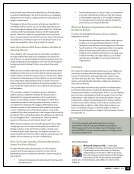
ICSA TODAY
That small change can be
accomplished by the foot-in-the-
door tactic, such as an appeal for
humanitarian aid to victims in the
war zone. Once recruits respond,
they are likely to make later choices
that confirm their first one.
Reciprocity
Make small gifts to your recruit. According to Abu ‘Amr, a
recruiter should build a close, friendly relationship with
recruits before raising political or ideological issues. The
manual instructs recruiters to invite recruits for lunch, send
them text messages, and give them gifts. Because every
recruit requires personal attention, recruiters are told to
target only two people at a time (as cited in Warius &Fishman,
2009). This advice taps into the obligation people feel to
give back and reciprocate, which, when not manipulated, is
a natural flow of give and take in relationships, teams, and
organizations. According to Cialdini, people are more willing
to comply with requests (for favors, services, information,
and concessions) from those who have provided such things
first. The need to belong, to connect, and to create intimate
relationships is a universal human need but it is also this
one area in which most ordinary people feel deprived and
dissatisfied. No wonder, then, that recruitment efforts appear
to be concentrated in relationship areas.
One way recruiters manipulate this human tendency is to give
much attention to a recruit in the beginning. In the manual,
recruiters are told to spend much time studying the subject
(i.e., the recruit) so they get to know everything about the
person being recruited first.
They can study the victim in secret as preparation, or they
can use listening techniques and show a keen interest in the
subject, an approach often mistaken for love. Most people
naturally crave such attention, and especially young people
in the transition phase into adulthood. In cult literature, the
strategy is often called love bombing or grooming.
When we think of grooming as it is used online, we tend to
center on the stereotypical images of innocent young girls
meeting an older male sexual predator. This view makes it
easy for us to see who is the victim and who is the offender.
In recruitment for terrorism, however, this stereotype of
grooming no longer applies. Recruitment is indeed grooming
because recruiters will try to be the recruit’s friend when they
are not, and they will be nice and spend lots of time with the
recruit. Some will also send gifts, which taps into the most
powerful principle of reciprocity. But all this is not because
they love the recruit—it is because they are recruiting him.
Of course, no recruit believes he is being converted to migrate
to a war zone and join a remorselessly murderous and radical
group. He is “in love,” and in that state the clever recruiters
plant fantasies into his head about “saving the world” or
“saving all the Muslims” or “all the starving children.”
Liking
The manual instructs recruiters to praise the new recruit
for behavior that supports the cause, to share her “joys and
sadness” in order to draw closer to the target, and to focus on
the basics of Islam without mentioning jihad. This method
manipulates the natural tendency we have to like people who
are similar to us, and who like us.
According to the manual, the first 3 weeks with a new recruit
should be spent “being nice” when the relationship is built,
then the recruiter can introduce the concept of heaven and
hell. Abu ‘Amr argues that the concept can be used as a
powerful motivator, explaining that radicalization “normally
happens to those who fear the torment of the afterlife and
who come to know that jihad is the salvation from eternal
damnation. The result is that jihad is desired and craved” (as
cited in Warius &Fishman, 2009, p. 28). Another way to look
at the powerful concept of heaven and hell is to see it as an
emotional manipulation using the real threat of rejection.
The recruit is now isolated from her family, which makes her
more dependent. As humans, we fear social rejection or social
disapproval. so we may go a long way not to cause conflict
with people we depend on or view as friends. We want to be
accepted and loved. This basic need is manipulated and is
even recommended behavior in the manual.
Consistency
How can a person be manipulated to do something he
doesn’t actually want to do? This can happen through what
is often called the foot-in-the-door technique. In Influence…,
Cialdini discusses the universal human need to be consistent
with what we have already said and done. In other words,
our need to have good self-image taps into the principle of
consistency. The …Art of Recruiting advises recruiters to break
the ice by talking about Palestine, “an issue on which there is
no disagreement” (as cited by Noah, 2009). Work your way up
to explaining why “democracy and parliamentary activities”
are incompatible with Islam (Noah, 2009). In other words, start
with something the recruit has already agreed to, and build
from there.
Radicalization is often discussed in terms of the assumption
that people get exposed to certain ideas, certain kinds of
thoughts, and that these cognitions and feelings put them
at greater risk for involvement in terrorism. But even if this
assumption sounds intuitive, former members of terrorist cells
and groups tell a different story: Influence and persuasion
do not have to occur via cognition to be effective all that is
required is a small change in behavior or in the environment.
That small change can be accomplished by the foot-in-the-
door tactic, such as an appeal for humanitarian aid to victims
ICSA TODAY
That small change can be
accomplished by the foot-in-the-
door tactic, such as an appeal for
humanitarian aid to victims in the
war zone. Once recruits respond,
they are likely to make later choices
that confirm their first one.