VOLUME 8 |ISSUE 2 |2017 219
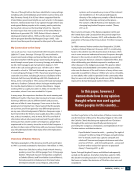
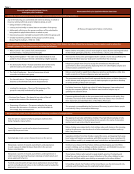
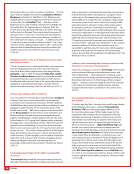
Left: Table 1 depicts parallels between genocide and thought-
reform criteria, techniques, and conditions and US government
policy as applied to Native Americans throughout history.
The Experiences of Walter Littlemoon
In They Called Me Uncivilized: The Memoir of an Everyday Lakota
Man from Wounded Knee (2009), Walter Littlemoon tells how
some of these policies impacted his life as a Native American.
Littlemoon’s story was made into a PBS special entitled The Thick
Dark Fog. Here is his description:
Shortly after my fifth birthday in 1947, a shiny gray car
pulled up to our home with two strangers in it. My mother
was crying. She told me I had to go with those people
in the car. I had no warning, no preparation. Perhaps
she thought it was best that way or perhaps she wasn’t
expecting them. I don’t know.
I sat in the backseat of the car with my head down,
scared to look around, as the men took me for a long
drive. They finally stopped at a strange, foreign place
with tall buildings. Other children were gathered there. I
was overwhelmed by strange smells, sounds of children
talking and crying, all the big, tall buildings, everyone
speaking a language I didn’t understand. … Then, in the
confusion, I saw my sister, Pauline, and I ran to her crying.
Gently, she told me not to cry, that Mom would come
get me in a month. As we stood there, two stern-looking
women marched up to us. Pauline told me I had to go
with them. When I hesitated because I felt confused,
they pushed me along roughly into one of the buildings
and abruptly sat me in a chair. Within minutes, all my
hair was cut off I was stripped naked and scrubbed with
harsh yellow soap and a stiff brush until my skin was
raw. It stung so. The women spoke a language I didn’t
understand and slammed my back with an open hand
when I questioned them in Lakota. (Littlemoon, 2009, pp.
37–38)
...
We would shower in the dormitory basement twice a
week, on Mondays and Thursdays at home, we had
bathed more frequently. ...We’d come out into a dressing
room area naked, wrap towels around ourselves, and then
be made to line up for inspection [by the matrons]. …
There was no privacy. … If we turned our backs on them
for privacy, they’d whip us. (Littlemoon, 2009, p. 43)
Walter Littlemoon wrote that, in his adult life,
Even today, all these years later, when I drive near those
schools my head throbs and I feel sick to my stomach.
...[The old dormitory is gone] and new buildings have
replaced it. It seems to me those school buildings,
and even the land around them, are embedded with
frustration, resentment, anger, and hate… When I
occasionally need to return, everything inside of me shuts
down. Those places represent hell to me. (2009, p. 52)
Littlemoon described the impact of his education on his adult
life: ”It seemed to me that our lives had been so firmly shaped by
the government boarding schools that we had difficulty making
our own decisions” (p. 58). In public settings, at even what was
supposed to be fun, such as a sporting event, “we just sat quietly
in a guarded way for emotional responses had been killed in us”
(2009, p. 59).
Looking back now, after more than thirty sober years, my
memories of that time of indifference still appall me. Yet,
that’s what happened to many of us who were tortured
as children we sought relief through alcohol and drugs.
Our ability to feel and to be human had been taken
away. (Littlemoon, 2009, p. 68)
The Healing Process
The term historical trauma was formulated as a result of this Native
American history and experience. Dr. Maria Yellow Horse Brave
Heart (Lakota) has defined historical trauma as “the cumulative
emotional and psychological wounding, over the lifespan and
across generations, emanating from massive group trauma,” and
she explains that cumulative exposure to traumatic events affects
an individual and continues to affect subsequent generations. The
historical trauma response is a constellation of features in reaction
to massive group trauma. The response often includes suicidal
thoughts and gestures, depression, anxiety, low self-esteem, and
difficulty recognizing and expressing emotions. The response is
observed among Native populations, Jewish Holocaust survivors
and descendants, Japanese American internment camp survivors
and descendants (Brave Heart, 2003, pp. 7–8).
Dr. Yellow Horse Brave Heart, and now many other Native
professionals as well, have spent years identifying what happened
to Native people and how to assist with healing. Brave Heart has
described a historical trauma intervention as having four major
components: (1) confronting historical trauma (2) understanding
the trauma (3) releasing our pain and (4) transcending the trauma
(Brave Heart, cited by Poola et al., 2008). Many Native communities
have begun work in this area, some with 4-day conferences, some
with ceremonies, some with more appropriate counseling. The
community in which I live held a year-long project called The
Healing Journey, which I was honored to be a part of. There is
much positive movement, healing, and growth in this context in
many communities and in many ways.
What Dr. Yellow Horse Brave Heart and others have identified as
necessary for healing in Native Americans is parallel to what our
ICSA Cult Recovery Workshop identified as necessary for healing in
cult survivors:
• Confronting the trauma—confronting the possibility that
the group may have been a cult with its own agenda,
and that it did not have our best interests in mind
• Understanding the trauma—both the thought reform
and how it affected us
• Releasing our pain—former members of cults have
sessions that address anger and grief and last,
• Transcending the trauma—which is about rebuilding our
lives and figuring out how to go on from here.
Left: Table 1 depicts parallels between genocide and thought-
reform criteria, techniques, and conditions and US government
policy as applied to Native Americans throughout history.
The Experiences of Walter Littlemoon
In They Called Me Uncivilized: The Memoir of an Everyday Lakota
Man from Wounded Knee (2009), Walter Littlemoon tells how
some of these policies impacted his life as a Native American.
Littlemoon’s story was made into a PBS special entitled The Thick
Dark Fog. Here is his description:
Shortly after my fifth birthday in 1947, a shiny gray car
pulled up to our home with two strangers in it. My mother
was crying. She told me I had to go with those people
in the car. I had no warning, no preparation. Perhaps
she thought it was best that way or perhaps she wasn’t
expecting them. I don’t know.
I sat in the backseat of the car with my head down,
scared to look around, as the men took me for a long
drive. They finally stopped at a strange, foreign place
with tall buildings. Other children were gathered there. I
was overwhelmed by strange smells, sounds of children
talking and crying, all the big, tall buildings, everyone
speaking a language I didn’t understand. … Then, in the
confusion, I saw my sister, Pauline, and I ran to her crying.
Gently, she told me not to cry, that Mom would come
get me in a month. As we stood there, two stern-looking
women marched up to us. Pauline told me I had to go
with them. When I hesitated because I felt confused,
they pushed me along roughly into one of the buildings
and abruptly sat me in a chair. Within minutes, all my
hair was cut off I was stripped naked and scrubbed with
harsh yellow soap and a stiff brush until my skin was
raw. It stung so. The women spoke a language I didn’t
understand and slammed my back with an open hand
when I questioned them in Lakota. (Littlemoon, 2009, pp.
37–38)
...
We would shower in the dormitory basement twice a
week, on Mondays and Thursdays at home, we had
bathed more frequently. ...We’d come out into a dressing
room area naked, wrap towels around ourselves, and then
be made to line up for inspection [by the matrons]. …
There was no privacy. … If we turned our backs on them
for privacy, they’d whip us. (Littlemoon, 2009, p. 43)
Walter Littlemoon wrote that, in his adult life,
Even today, all these years later, when I drive near those
schools my head throbs and I feel sick to my stomach.
...[The old dormitory is gone] and new buildings have
replaced it. It seems to me those school buildings,
and even the land around them, are embedded with
frustration, resentment, anger, and hate… When I
occasionally need to return, everything inside of me shuts
down. Those places represent hell to me. (2009, p. 52)
Littlemoon described the impact of his education on his adult
life: ”It seemed to me that our lives had been so firmly shaped by
the government boarding schools that we had difficulty making
our own decisions” (p. 58). In public settings, at even what was
supposed to be fun, such as a sporting event, “we just sat quietly
in a guarded way for emotional responses had been killed in us”
(2009, p. 59).
Looking back now, after more than thirty sober years, my
memories of that time of indifference still appall me. Yet,
that’s what happened to many of us who were tortured
as children we sought relief through alcohol and drugs.
Our ability to feel and to be human had been taken
away. (Littlemoon, 2009, p. 68)
The Healing Process
The term historical trauma was formulated as a result of this Native
American history and experience. Dr. Maria Yellow Horse Brave
Heart (Lakota) has defined historical trauma as “the cumulative
emotional and psychological wounding, over the lifespan and
across generations, emanating from massive group trauma,” and
she explains that cumulative exposure to traumatic events affects
an individual and continues to affect subsequent generations. The
historical trauma response is a constellation of features in reaction
to massive group trauma. The response often includes suicidal
thoughts and gestures, depression, anxiety, low self-esteem, and
difficulty recognizing and expressing emotions. The response is
observed among Native populations, Jewish Holocaust survivors
and descendants, Japanese American internment camp survivors
and descendants (Brave Heart, 2003, pp. 7–8).
Dr. Yellow Horse Brave Heart, and now many other Native
professionals as well, have spent years identifying what happened
to Native people and how to assist with healing. Brave Heart has
described a historical trauma intervention as having four major
components: (1) confronting historical trauma (2) understanding
the trauma (3) releasing our pain and (4) transcending the trauma
(Brave Heart, cited by Poola et al., 2008). Many Native communities
have begun work in this area, some with 4-day conferences, some
with ceremonies, some with more appropriate counseling. The
community in which I live held a year-long project called The
Healing Journey, which I was honored to be a part of. There is
much positive movement, healing, and growth in this context in
many communities and in many ways.
What Dr. Yellow Horse Brave Heart and others have identified as
necessary for healing in Native Americans is parallel to what our
ICSA Cult Recovery Workshop identified as necessary for healing in
cult survivors:
• Confronting the trauma—confronting the possibility that
the group may have been a cult with its own agenda,
and that it did not have our best interests in mind
• Understanding the trauma—both the thought reform
and how it affected us
• Releasing our pain—former members of cults have
sessions that address anger and grief and last,
• Transcending the trauma—which is about rebuilding our
lives and figuring out how to go on from here.