31 VOLUME 8 |ISSUE 2 |2017
Correspondents
,
Reports
Report From Poland
Piotr T. Nowakowski
On December 9 through 11, 2016,
ICSA’s Education Network, in
cooperation with The John Paul
II Catholic University of Lublin,
Stalowa Wola Campus, conducted
a 4-day conference in Stalowa
Wola and Sandomierz. The conference,
coordinated by Poitr T. Nowakowski,
focused on enhancing participants’
professional knowledge about
preventing undue influence and cults.
The event, the first under ICSA auspices
conducted in Eastern Europe, gathered
69 speakers from 10 countries: Japan,
United States of America, Canada,
Spain, Italy, Austria, Finland, Denmark,
Ukraine, and Poland.
A special preconference track included
talks on “The Role of Celebrities in
Recruitment Into Cults,” “The Key
Elements of the Catholic Church
Teaching on Cults,” “Destructive Cults
in Poland at the Beginning of the 21st
Century,” and “Cult Newspeak.”
The conference, which included
more than 50 separate presentations,
was opened on Friday, December 9
with a welcome address by Carmen
Almendros from Universidad
Autónoma de Madrid (Spain), who
also spoke in a later session on the
problem of psychological abuse in
group contexts. Cristina Caparesi,
director and consultant of the Support
Network Against Manipulation and
Abuse in Groups project of SOS Abusi
Psicologici (Italy), spoke on cultic
influence in a family setting. David
Clark, a thought-reform consultant and
FECRIS* representative to the United
Nations, presented a paper titled Cult
Family Intervention Work Including
New Twenty-First Century Technological
Factors That Impact Family Outcomes.
Takashi Yamaguchi, a lawyer from the
Link Law Office in Tokyo, focused on
legal aspects of religion in Japan and
Friedrich Griess, former president of
FECRIS, talked about legal aspects of
religion in Austria.
Speakers addressed a wide variety of
subjects, historical and contemporary,
and talks included clinical studies and
personal stories. Arthur Buchman,
a psychologist from Copenhagen
(Denmark), spoke on “Recovery from
Cult Involvement.” Robert T. Ptaszek of
the Department of the Interreligious
Dialog and Alternative Religious
Movements at the John Paul II Catholic
University of Lublin (Poland) analyzed
how to talk with youth about cults,
and Sami Nykter, from Uskontojen
Uhrien Tuki ry (Support for the Victims
of Religion in Finland), described
methods used by his organization
to help victims and to raise cult
awareness.
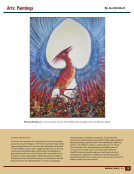
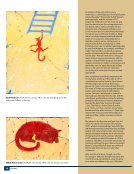
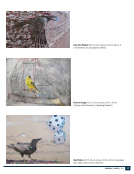
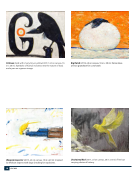
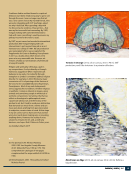
A special ICSA feature throughout the
conference was The Phoenix Project,
an exhibit of art and literary works
by former members of cultic groups,
organized and presented by Diana
Pletts.
Participants, who represented
researchers, educators, lawyers,
government administrators, former
members, clergy, and helping
professionals, appreciated the broad
scope and contemporary relevance of
this conference. The conference was
possible due to the financial support
from The City of Stalowa Wola and the
District Authority in Stalowa Wola.
*European Federation of Centres
of Research and Information on
Sectarianism
Report From Spain and Latin
America
Luis Santamaría
Translated by Erika Toren and John
Paul Lennon
Christian-Based Groups
In December of 2016, a Nepalese
citizen, Kirian Kass, was expelled from
Peru as the leader of a cult that locked
itself inside a house in Chorrillos while
“awaiting the end of the world.” Some
neighbors reported that the house was
being used in rituals, and they heard
screams and also reported bad smells.
When the police arrived, they found
11 people, including several children.
All the members had been convinced
to stay cloistered for more than three
weeks while supposedly “awaiting the
end of the world.”
On January 8, the “Apostle” Valdemiro
Santiago was attacked by knife
because of a cult he leads in Sao
Paulo, Brazil, the Iglesia Mundial del
Poder de Dios. He founded the group
in 1998 after it split from another
neo-Pentecostal group called Iglesia
Universal del Reino de Dios, of which
he was a member for 18 years. His cult
has 315,000 followers, 3,000 temples,
and even a TV presence. Valdemiro is
famous for performing miracles and,
according to Forbes, his net worth is
more than $220 million.
Esoteric Groups
In December of 2016, an Umbanda
“Mae” (priestess) was arrested in Mar
de Plata, Buenos Aires, Argentina for
instigating the sexual abuse, then
torture, and finally assassination
of a 4-year-old boy. According to
police investigations, the wounds
suffered by the victim were produced
during ritualistic ceremonies. The
investigation is complicated by the fact
that the people involved are still “living
with a reverential fear of the officiating
Mae” (priestess).
In Elche, Alicante, Spain on January 7,
a girl named Patricia Aguilar who had
just celebrated her 18th birthday (and
so was of legal age) disappeared. When
her family went to her room looking
for clues into her disappearance, they
found material linking her to gnostic
groups that follow the doctrines of
a Columbian named Samael Aun
Weor. The specific name of the cult
is not known because there are now
at least seven similar but different
groups with more than 150 centers in
Spain. The young woman traveled to
Peru and refuses to return home. Her
Correspondents
,
Reports
Report From Poland
Piotr T. Nowakowski
On December 9 through 11, 2016,
ICSA’s Education Network, in
cooperation with The John Paul
II Catholic University of Lublin,
Stalowa Wola Campus, conducted
a 4-day conference in Stalowa
Wola and Sandomierz. The conference,
coordinated by Poitr T. Nowakowski,
focused on enhancing participants’
professional knowledge about
preventing undue influence and cults.
The event, the first under ICSA auspices
conducted in Eastern Europe, gathered
69 speakers from 10 countries: Japan,
United States of America, Canada,
Spain, Italy, Austria, Finland, Denmark,
Ukraine, and Poland.
A special preconference track included
talks on “The Role of Celebrities in
Recruitment Into Cults,” “The Key
Elements of the Catholic Church
Teaching on Cults,” “Destructive Cults
in Poland at the Beginning of the 21st
Century,” and “Cult Newspeak.”
The conference, which included
more than 50 separate presentations,
was opened on Friday, December 9
with a welcome address by Carmen
Almendros from Universidad
Autónoma de Madrid (Spain), who
also spoke in a later session on the
problem of psychological abuse in
group contexts. Cristina Caparesi,
director and consultant of the Support
Network Against Manipulation and
Abuse in Groups project of SOS Abusi
Psicologici (Italy), spoke on cultic
influence in a family setting. David
Clark, a thought-reform consultant and
FECRIS* representative to the United
Nations, presented a paper titled Cult
Family Intervention Work Including
New Twenty-First Century Technological
Factors That Impact Family Outcomes.
Takashi Yamaguchi, a lawyer from the
Link Law Office in Tokyo, focused on
legal aspects of religion in Japan and
Friedrich Griess, former president of
FECRIS, talked about legal aspects of
religion in Austria.
Speakers addressed a wide variety of
subjects, historical and contemporary,
and talks included clinical studies and
personal stories. Arthur Buchman,
a psychologist from Copenhagen
(Denmark), spoke on “Recovery from
Cult Involvement.” Robert T. Ptaszek of
the Department of the Interreligious
Dialog and Alternative Religious
Movements at the John Paul II Catholic
University of Lublin (Poland) analyzed
how to talk with youth about cults,
and Sami Nykter, from Uskontojen
Uhrien Tuki ry (Support for the Victims
of Religion in Finland), described
methods used by his organization
to help victims and to raise cult
awareness.
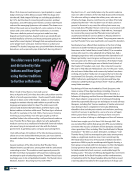
A special ICSA feature throughout the
conference was The Phoenix Project,
an exhibit of art and literary works
by former members of cultic groups,
organized and presented by Diana
Pletts.
Participants, who represented
researchers, educators, lawyers,
government administrators, former
members, clergy, and helping
professionals, appreciated the broad
scope and contemporary relevance of
this conference. The conference was
possible due to the financial support
from The City of Stalowa Wola and the
District Authority in Stalowa Wola.
*European Federation of Centres
of Research and Information on
Sectarianism
Report From Spain and Latin
America
Luis Santamaría
Translated by Erika Toren and John
Paul Lennon
Christian-Based Groups
In December of 2016, a Nepalese
citizen, Kirian Kass, was expelled from
Peru as the leader of a cult that locked
itself inside a house in Chorrillos while
“awaiting the end of the world.” Some
neighbors reported that the house was
being used in rituals, and they heard
screams and also reported bad smells.
When the police arrived, they found
11 people, including several children.
All the members had been convinced
to stay cloistered for more than three
weeks while supposedly “awaiting the
end of the world.”
On January 8, the “Apostle” Valdemiro
Santiago was attacked by knife
because of a cult he leads in Sao
Paulo, Brazil, the Iglesia Mundial del
Poder de Dios. He founded the group
in 1998 after it split from another
neo-Pentecostal group called Iglesia
Universal del Reino de Dios, of which
he was a member for 18 years. His cult
has 315,000 followers, 3,000 temples,
and even a TV presence. Valdemiro is
famous for performing miracles and,
according to Forbes, his net worth is
more than $220 million.
Esoteric Groups
In December of 2016, an Umbanda
“Mae” (priestess) was arrested in Mar
de Plata, Buenos Aires, Argentina for
instigating the sexual abuse, then
torture, and finally assassination
of a 4-year-old boy. According to
police investigations, the wounds
suffered by the victim were produced
during ritualistic ceremonies. The
investigation is complicated by the fact
that the people involved are still “living
with a reverential fear of the officiating
Mae” (priestess).
In Elche, Alicante, Spain on January 7,
a girl named Patricia Aguilar who had
just celebrated her 18th birthday (and
so was of legal age) disappeared. When
her family went to her room looking
for clues into her disappearance, they
found material linking her to gnostic
groups that follow the doctrines of
a Columbian named Samael Aun
Weor. The specific name of the cult
is not known because there are now
at least seven similar but different
groups with more than 150 centers in
Spain. The young woman traveled to
Peru and refuses to return home. Her