7 VOLUME 8 |ISSUE 2 |2017
expanded by Congress to 23 more schools. As time passed,
children were allowed to go home summers, and sometimes
holidays if the family could pick the children up.
The Bureau of Indians Affairs (BIA) pressured parents into
sending their children to these schools by withholding food,
clothing, and other resources if the children did not go. Many
children were taken by force. There are people still alive today
who tell of hiding when officials would come to the house,
to try to escape being taken to the school. The conditions
were often substandard in the schools, with overcrowding,
inadequate facilities, and not enough food. Corporal
punishment was commonplace. I have been told of people
being kept in the school basement for days, with no supplies
or facilities. Children were often made to kneel in a corner for
hours with a pinto bean under their knees. Children who dared
would sneak out behind buildings with siblings or friends to
speak their language. If caught, they were severely beaten.
In 1928, a study titled the Meriam Report (Meriam, 1928) set
forth in detail much of the mistreatment the US government
had inflicted upon Native Americans:
In 1933, John Collier, the new commissioner of Indian
Affairs, finally addressed many of the issues flagged in
the Meriam Report. One of his major accomplishments
was getting the Indian Reorganization Act of 1934
(IRA) brought before Congress. This repealed the
Indian General Allotment Act and restored tribal self-
government. (Hunt, 2012, p. 26)
Native culture, religious life, and history were to be considered
equal to any other group. This movement, however, proved
disastrous it led to the Indian Termination Act of 1953, which
stripped Natives of their sovereignty and land, terminated all
treaties, and ended government funding. By decreeing Natives
full citizens of the United States and forcing assimilation, this
law was destroying their culture and identity. The law was
reversed in the early 1970s.
Forced Adoption
Another aspect of assimilation was the practice of adopting
children out of the tribe, often by force and without the consent
or even the knowledge of their families. In their adopted
homes, children were not educated about or exposed to their
tribal roots or languages. Adoption records were not kept or
were destroyed, so the families could not be traced. I have met
people in their thirties who were adopted under this program
and still do not know which tribe they are from or to which
family they belong.
The practice of adopting children out of the tribe was again,
initially, an attempt at assimilation, and ultimately, dissolution
of the tribes. Many churches contributed to the adoption
practice, from Catholic missions, to missionaries of most
Protestant denominations, to Mormonism. Even today, people
come to reservations with the intent of converting Native
people to Christianity. This practice was halted by the Indian
Child Welfare Act of 1978, the purpose of which was to
protect the best interests of Indian children and to
promote the stability and security of Indian tribes by the
establishment of minimum Federal standards for the
removal of Indian children from their families and the
placement of such children in foster or adoptive homes
which will reflect the unique values of Indian culture, and
by providing assistance to Indian tribes in the operation
of child and family service programs. (ICWA, 1978)
US Government Policy and Its Parallels to
Thought Reform
The many policies promulgated by the US government during
its attempt to force assimilation of Native Americans resulted in
loss or disruption of language suppression of spiritual practices
and beliefs suppression of culture through enforced changes
in grooming and dress and disruption of families through
placements of children in distant schools, with no home visits
allowed (Brave Heart, cited by Poola, Gorman, Delong, &Trujillo,
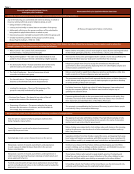
2008). These tactics, as I suggested at the start of this talk, are
tactics of thought reform that Robert Lifton described as used
by totalitarian governments, and Margaret Singer as used by
cults. They are, in fact, clearly named as elements of genocide in
the United Nations General Assembly’s Convention on Genocide!
Even Nazi Germany was patterned after the United States
policies toward Native Americans:
Nazi Germany’s extermination program for Jews is the
genocide remembered today as the template of all
genocide. However, we have forgotten the origin of
Hitler’s vision. European Jews, gypsies, homosexuals,
communists, and handicapped people were destined to
become Europe’s Indians. Hitler saw the settlement of the
New World and the concomitant elimination of
North America’s Indian population by white European
settlers as a model to be followed by Germany on the
European continent. The inspiration for the Fuhrer’s
concentration camp ovens came from his study
of the Indians in the wild West …He apprised his
inner circle through citing the efficiency of America’s
extermination—by starving and uneven combat—of the
red savages who could not be tamed by captivity. (Buck,
2001, p. 94)
These … are tactics of thought reform
that Robert Lifton described as used
by totalitarian governments, and
Margaret Singer as used by cults.
expanded by Congress to 23 more schools. As time passed,
children were allowed to go home summers, and sometimes
holidays if the family could pick the children up.
The Bureau of Indians Affairs (BIA) pressured parents into
sending their children to these schools by withholding food,
clothing, and other resources if the children did not go. Many
children were taken by force. There are people still alive today
who tell of hiding when officials would come to the house,
to try to escape being taken to the school. The conditions
were often substandard in the schools, with overcrowding,
inadequate facilities, and not enough food. Corporal
punishment was commonplace. I have been told of people
being kept in the school basement for days, with no supplies
or facilities. Children were often made to kneel in a corner for
hours with a pinto bean under their knees. Children who dared
would sneak out behind buildings with siblings or friends to
speak their language. If caught, they were severely beaten.
In 1928, a study titled the Meriam Report (Meriam, 1928) set
forth in detail much of the mistreatment the US government
had inflicted upon Native Americans:
In 1933, John Collier, the new commissioner of Indian
Affairs, finally addressed many of the issues flagged in
the Meriam Report. One of his major accomplishments
was getting the Indian Reorganization Act of 1934
(IRA) brought before Congress. This repealed the
Indian General Allotment Act and restored tribal self-
government. (Hunt, 2012, p. 26)
Native culture, religious life, and history were to be considered
equal to any other group. This movement, however, proved
disastrous it led to the Indian Termination Act of 1953, which
stripped Natives of their sovereignty and land, terminated all
treaties, and ended government funding. By decreeing Natives
full citizens of the United States and forcing assimilation, this
law was destroying their culture and identity. The law was
reversed in the early 1970s.
Forced Adoption
Another aspect of assimilation was the practice of adopting
children out of the tribe, often by force and without the consent
or even the knowledge of their families. In their adopted
homes, children were not educated about or exposed to their
tribal roots or languages. Adoption records were not kept or
were destroyed, so the families could not be traced. I have met
people in their thirties who were adopted under this program
and still do not know which tribe they are from or to which
family they belong.
The practice of adopting children out of the tribe was again,
initially, an attempt at assimilation, and ultimately, dissolution
of the tribes. Many churches contributed to the adoption
practice, from Catholic missions, to missionaries of most
Protestant denominations, to Mormonism. Even today, people
come to reservations with the intent of converting Native
people to Christianity. This practice was halted by the Indian
Child Welfare Act of 1978, the purpose of which was to
protect the best interests of Indian children and to
promote the stability and security of Indian tribes by the
establishment of minimum Federal standards for the
removal of Indian children from their families and the
placement of such children in foster or adoptive homes
which will reflect the unique values of Indian culture, and
by providing assistance to Indian tribes in the operation
of child and family service programs. (ICWA, 1978)
US Government Policy and Its Parallels to
Thought Reform
The many policies promulgated by the US government during
its attempt to force assimilation of Native Americans resulted in
loss or disruption of language suppression of spiritual practices
and beliefs suppression of culture through enforced changes
in grooming and dress and disruption of families through
placements of children in distant schools, with no home visits
allowed (Brave Heart, cited by Poola, Gorman, Delong, &Trujillo,
2008). These tactics, as I suggested at the start of this talk, are
tactics of thought reform that Robert Lifton described as used
by totalitarian governments, and Margaret Singer as used by
cults. They are, in fact, clearly named as elements of genocide in
the United Nations General Assembly’s Convention on Genocide!
Even Nazi Germany was patterned after the United States
policies toward Native Americans:
Nazi Germany’s extermination program for Jews is the
genocide remembered today as the template of all
genocide. However, we have forgotten the origin of
Hitler’s vision. European Jews, gypsies, homosexuals,
communists, and handicapped people were destined to
become Europe’s Indians. Hitler saw the settlement of the
New World and the concomitant elimination of
North America’s Indian population by white European
settlers as a model to be followed by Germany on the
European continent. The inspiration for the Fuhrer’s
concentration camp ovens came from his study
of the Indians in the wild West …He apprised his
inner circle through citing the efficiency of America’s
extermination—by starving and uneven combat—of the
red savages who could not be tamed by captivity. (Buck,
2001, p. 94)
These … are tactics of thought reform
that Robert Lifton described as used
by totalitarian governments, and
Margaret Singer as used by cults.