20 ICSA TODAY
About the Author
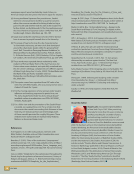
Danya Shakfeh, Esq., is an attorney
and litigator. Through her practice as an
attorney, Danya is skillful in evidence
collection, claims validation, testimony,
legal reasoning, and conflict resolution. n
Notes
[1] This definition is admittedly a working definition for the
elements of spiritual abuse. There are valid criticisms
regarding this definition because it may be overly
simplistic. For the purposes of this paper and to convey
the overall framework of legal analysis, this is the most
suitable definition.
[2] Divorce here is used strictly in the religious context,
in that the marriage took place solely as a religious
ceremony outside of the State’s recognition and,
therefore, the divorce occurred in the same manner.
References
Burks, R., &Burks, V. (1992). Damaged disciples. Casualties
of authoritarian churches and the Shepherding Movement.
Grand Rapids, MI: Zondervan.
Enroth, R. (1993). Churches that abuse. Grand Rapids, MI:
Zondervan.
Hamacher, C. (2013). Zen and the art of student abuse. ICSA
Today, 4(3), 18–19. Available at http://www.icsahome.com/
articles/zen-and-the-art-of-student-abuse-hamacher-it-4-3
Heimlich, J. (2011). Breaking their will: Shedding light on
religious child maltreatment. Amherst, NY: Prometheus
Books.
Johnson, D., &VanVonderen, J. (1991). The subtle power
of spiritual abuse: Recognizing and escaping from spiritual
manipulation and false spiritual authority. Minneapolis, MN:
Bethany House.
Lennon, J. P. (2008). Our father, who art in bed: A naive and
sentimental Dubliner in the Legion of Christ. North Charleston,
SC: Createspace.
Lorenz, D. (1999). Spiritual pain and painkiller spirituality:
Issues of spiritual abuse, religious addiction, and
dependency in ISKCON. Available at http://www.icsahome.
com/articles/spiritual-pain-and-painkiller-spirituality-lorenz
Ofshe, R. (1986). The rabbi and the sex cult: Power expansion
in the formation of a cult. Cultic Studies Journal, 3(2), 173–
189. Available at http://www.icsahome.com/articles/the-
rabbi-and-the-sex-cult-ofshe-csj-3-2-1986
Orlowski, B. (2010). Spiritual abuse recovery: Dynamic
research on finding a place of wholeness. Eugene, OR: Wipf &
Stock Pub
The purpose of this article
is not to establish the
standards of conduct, but
rather to provide examples
and begin the work of
clearly identifying what
constitutes spiritual abuse.
appropriate remedies will be difficult. As stated
previously, there is a difference between religious
figures who use their authority to abuse and those who
happen to engage in misconduct. These two types
should be treated differently.
Final Thoughts
Legal analysis will not address or solve all the problems that
face the (Western) Muslim or any other community, but it can
establish a foundational framework within which to precisely
address the problem of spiritual abuse. The purpose of this
article is not to establish the standards of conduct, but rather to
provide examples and begin the work of clearly identifying what
constitutes spiritual abuse. This process requires the expertise of
attorneys and those who are familiar with logic.
To be clear, there are many other issues around spiritual abuse,
such as moral, ethical, and social aspects, which legal analysis
is simply not designed to address. We also need to consider
methods and mediums of verifying evidence and presenting
claims, and to what extent, and when, such presentations
should be made public. Additionally, just because an individual
is not found to be liable for spiritual abuse does not mean that
a religious figure may not be liable for other abuses, or is still fit
to be in a position of authority. These are all issues outside the
scope of this article. But we can mitigate much of the fury and
flames that accompany addressing spiritual abuse by being as
precise as possible with our language and claims. n
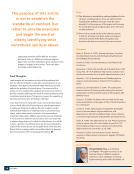
About the Author
Danya Shakfeh, Esq., is an attorney
and litigator. Through her practice as an
attorney, Danya is skillful in evidence
collection, claims validation, testimony,
legal reasoning, and conflict resolution. n
Notes
[1] This definition is admittedly a working definition for the
elements of spiritual abuse. There are valid criticisms
regarding this definition because it may be overly
simplistic. For the purposes of this paper and to convey
the overall framework of legal analysis, this is the most
suitable definition.
[2] Divorce here is used strictly in the religious context,
in that the marriage took place solely as a religious
ceremony outside of the State’s recognition and,
therefore, the divorce occurred in the same manner.
References
Burks, R., &Burks, V. (1992). Damaged disciples. Casualties
of authoritarian churches and the Shepherding Movement.
Grand Rapids, MI: Zondervan.
Enroth, R. (1993). Churches that abuse. Grand Rapids, MI:
Zondervan.
Hamacher, C. (2013). Zen and the art of student abuse. ICSA
Today, 4(3), 18–19. Available at http://www.icsahome.com/
articles/zen-and-the-art-of-student-abuse-hamacher-it-4-3
Heimlich, J. (2011). Breaking their will: Shedding light on
religious child maltreatment. Amherst, NY: Prometheus
Books.
Johnson, D., &VanVonderen, J. (1991). The subtle power
of spiritual abuse: Recognizing and escaping from spiritual
manipulation and false spiritual authority. Minneapolis, MN:
Bethany House.
Lennon, J. P. (2008). Our father, who art in bed: A naive and
sentimental Dubliner in the Legion of Christ. North Charleston,
SC: Createspace.
Lorenz, D. (1999). Spiritual pain and painkiller spirituality:
Issues of spiritual abuse, religious addiction, and
dependency in ISKCON. Available at http://www.icsahome.
com/articles/spiritual-pain-and-painkiller-spirituality-lorenz
Ofshe, R. (1986). The rabbi and the sex cult: Power expansion
in the formation of a cult. Cultic Studies Journal, 3(2), 173–
189. Available at http://www.icsahome.com/articles/the-
rabbi-and-the-sex-cult-ofshe-csj-3-2-1986
Orlowski, B. (2010). Spiritual abuse recovery: Dynamic
research on finding a place of wholeness. Eugene, OR: Wipf &
Stock Pub
The purpose of this article
is not to establish the
standards of conduct, but
rather to provide examples
and begin the work of
clearly identifying what
constitutes spiritual abuse.
appropriate remedies will be difficult. As stated
previously, there is a difference between religious
figures who use their authority to abuse and those who
happen to engage in misconduct. These two types
should be treated differently.
Final Thoughts
Legal analysis will not address or solve all the problems that
face the (Western) Muslim or any other community, but it can
establish a foundational framework within which to precisely
address the problem of spiritual abuse. The purpose of this
article is not to establish the standards of conduct, but rather to
provide examples and begin the work of clearly identifying what
constitutes spiritual abuse. This process requires the expertise of
attorneys and those who are familiar with logic.
To be clear, there are many other issues around spiritual abuse,
such as moral, ethical, and social aspects, which legal analysis
is simply not designed to address. We also need to consider
methods and mediums of verifying evidence and presenting
claims, and to what extent, and when, such presentations
should be made public. Additionally, just because an individual
is not found to be liable for spiritual abuse does not mean that
a religious figure may not be liable for other abuses, or is still fit
to be in a position of authority. These are all issues outside the
scope of this article. But we can mitigate much of the fury and
flames that accompany addressing spiritual abuse by being as
precise as possible with our language and claims. n