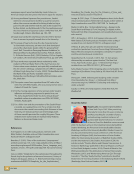
Michael D. Langone, PhD, a counseling psychologist, received a doctorate
in Counseling Psychology from the University of California, Santa Barbara in
1979. Since 1981 he has been Executive Director of International Cultic Studies
Association (ICSA). He has written and spoken widely on cult-related topics and
is Editor-in-Chief of ICSA Today. For additional information, see icsahome.com/
elibrary/peopleprofiles. n
Dear Friends,
Much attention has been paid to abuse perpetrated behind the cloak of religion in the
Catholic Church, and also to the horrific cruelty visited on some populations in the name of
Islam. However with greater awareness of diverse belief systems across the globe has come
mounting evidence that abuse is not limited to one religion or to extreme settings. Since ICSA’s
goal is to help all victims of exploitative manipulation, our outreach includes the field of abuse
within religious communities, or spiritual abuse.
This issue of ICSA Today contains a book review and four articles that deal, directly or indirectly,
with spiritual abuse.
Abuse in its most general sense connotes misuse, mistreatment, or exploitation. When the
adjective spiritual is added, the abuse is understood either as occurring in a religious/spiritual
context, or as adversely affecting one’s spirit—that is, one’s relationship to God or one’s inner
core, or both. The contributors to this issue approach the subject from both perspectives.
Danya Shakfeh uses the first meaning: “the use of spiritual authority for one’s personal gain.”
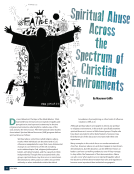
Maureen Griffo focuses on spiritual abuse as causing “detrimental changes to core elements
of the self.” The spiritual abuse that Stuart Lachs describes is simultaneously an exploitation
of religious authority and an assault on deep aspects of the self. The spiritual abuse that Nori
Muster writes about and captures visually is the latter, what in her book she called a “betrayal
of the spirit,” although others in the ISKCON organization (e.g., the children who were sexually
abused) were victims of the exploitative form of spiritual abuse, as well. Griffo emphasizes
that spiritual abuse can occur in both mainstream churches and fringe and cultic churches.
Together, the articles in this issue underscore the fact that spiritual abuse can arise in any
religion.
An important subject for ICSA is how the nature of certain beliefs, or misconceptions about
beliefs, can increase the probability that spiritual abuse will occur. Stuart Lachs shows us that
Zen’s insistence on the Zen master’s absolute authority and infallibility sets the stage for abuse
by some practitioners. Maureen Griffo suggests that the intense emotional and dissociative
states aroused by, for example, Pentecostal services render followers of that denomination
more suggestible. Doug Duncan’s book review asserts that the popular understanding of
the Christian concept of forgiveness is wrong, and has misled and hurt people coming out of
groups or relationships.
Another significant factor in understanding spiritual abuse is recognizing that a power
differential, such as between parent and child, teacher and student, therapist and client, pastor
and congregant, or congressman and aide, creates a POTENTIAL for abuse. Whether or not that
potential is realized is a function of many variables in the circumstances and relationship.
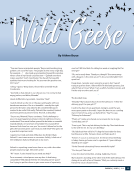
Aithne Bryce in her short story Wild Geese sensitively describes the multifaceted experience
of a spiritually abused person. Though the abuse she describes may not be physically evident
as in some situations, she enables us to feel the unremitting self-doubt, anxiety, and guilt that
just as harmfully permeate her life.
As all the papers in this issue make clear, spiritual abuse is complex. If we want to help victims
and reduce the probability that potential abusers become actual abusers, we must appreciate
and understand that complexity.
Sincerely,
Michael Langone
About ICSA Today
ICSA Today (IT) serves ICSA members by
providing information that enhances
understanding of all aspects of the cult
phenomenon, including how groups
function, how they affect members,
techniques of influence, dealing with
harmful effects, educational and legal
implications, and other subjects.
ICSA Today issues may include
• practical articles for former
members, families, helping
professionals, researchers,
and others
• opinion essays
• theoretical articles
• reports on research
• summaries of news reports on
groups
• information on books, articles, links
• information on ICSA members
• biographical profiles on selected
members
• personal accounts
• art work
• poetry
• short stories and other literary
articles
• special reports from correspondents
around the world
ICSA Today is published three times a
year.
Regular ICSA members receive the print
edition of ICSA Today and have access
to its Web edition. Students and other
special members gain access to the
online edition only.
Nonmember print subscriptions are
available. Submissions to the magazine
should be sent to the Editor-in-Chief,
Michael Langone, PhD:
mail@icsamail.com
We prefer Microsoft Word or a program
compatible with Word. Articles should
be no more than 2,500 words. Please
include a jpeg photo (no less than 360
dpi) and biographical sketch (less than
150 words) with your submission.
Appropriate submissions are reviewed
by the relevant section editor and,
when appropriate, editorial review
advisors.
International Cultic Studies Association
P.O. Box 2265 • Bonita Springs, FL 34133
Phone: 239.514.3081
Email: mail@icsamail.com
Website: icsahome.com
in Counseling Psychology from the University of California, Santa Barbara in
1979. Since 1981 he has been Executive Director of International Cultic Studies
Association (ICSA). He has written and spoken widely on cult-related topics and
is Editor-in-Chief of ICSA Today. For additional information, see icsahome.com/
elibrary/peopleprofiles. n
Dear Friends,
Much attention has been paid to abuse perpetrated behind the cloak of religion in the
Catholic Church, and also to the horrific cruelty visited on some populations in the name of
Islam. However with greater awareness of diverse belief systems across the globe has come
mounting evidence that abuse is not limited to one religion or to extreme settings. Since ICSA’s
goal is to help all victims of exploitative manipulation, our outreach includes the field of abuse
within religious communities, or spiritual abuse.
This issue of ICSA Today contains a book review and four articles that deal, directly or indirectly,
with spiritual abuse.
Abuse in its most general sense connotes misuse, mistreatment, or exploitation. When the
adjective spiritual is added, the abuse is understood either as occurring in a religious/spiritual
context, or as adversely affecting one’s spirit—that is, one’s relationship to God or one’s inner
core, or both. The contributors to this issue approach the subject from both perspectives.
Danya Shakfeh uses the first meaning: “the use of spiritual authority for one’s personal gain.”
Maureen Griffo focuses on spiritual abuse as causing “detrimental changes to core elements
of the self.” The spiritual abuse that Stuart Lachs describes is simultaneously an exploitation
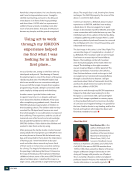
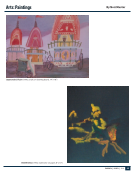
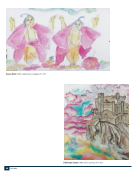
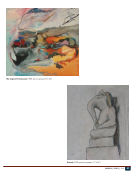
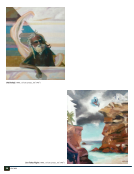
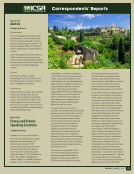
of religious authority and an assault on deep aspects of the self. The spiritual abuse that Nori
Muster writes about and captures visually is the latter, what in her book she called a “betrayal
of the spirit,” although others in the ISKCON organization (e.g., the children who were sexually
abused) were victims of the exploitative form of spiritual abuse, as well. Griffo emphasizes
that spiritual abuse can occur in both mainstream churches and fringe and cultic churches.
Together, the articles in this issue underscore the fact that spiritual abuse can arise in any
religion.
An important subject for ICSA is how the nature of certain beliefs, or misconceptions about
beliefs, can increase the probability that spiritual abuse will occur. Stuart Lachs shows us that
Zen’s insistence on the Zen master’s absolute authority and infallibility sets the stage for abuse
by some practitioners. Maureen Griffo suggests that the intense emotional and dissociative
states aroused by, for example, Pentecostal services render followers of that denomination
more suggestible. Doug Duncan’s book review asserts that the popular understanding of
the Christian concept of forgiveness is wrong, and has misled and hurt people coming out of
groups or relationships.
Another significant factor in understanding spiritual abuse is recognizing that a power
differential, such as between parent and child, teacher and student, therapist and client, pastor
and congregant, or congressman and aide, creates a POTENTIAL for abuse. Whether or not that
potential is realized is a function of many variables in the circumstances and relationship.
Aithne Bryce in her short story Wild Geese sensitively describes the multifaceted experience
of a spiritually abused person. Though the abuse she describes may not be physically evident
as in some situations, she enables us to feel the unremitting self-doubt, anxiety, and guilt that
just as harmfully permeate her life.
As all the papers in this issue make clear, spiritual abuse is complex. If we want to help victims
and reduce the probability that potential abusers become actual abusers, we must appreciate
and understand that complexity.
Sincerely,
Michael Langone
About ICSA Today
ICSA Today (IT) serves ICSA members by
providing information that enhances
understanding of all aspects of the cult
phenomenon, including how groups
function, how they affect members,
techniques of influence, dealing with
harmful effects, educational and legal
implications, and other subjects.
ICSA Today issues may include
• practical articles for former
members, families, helping
professionals, researchers,
and others
• opinion essays
• theoretical articles
• reports on research
• summaries of news reports on
groups
• information on books, articles, links
• information on ICSA members
• biographical profiles on selected
members
• personal accounts
• art work
• poetry
• short stories and other literary
articles
• special reports from correspondents
around the world
ICSA Today is published three times a
year.
Regular ICSA members receive the print
edition of ICSA Today and have access
to its Web edition. Students and other
special members gain access to the
online edition only.
Nonmember print subscriptions are
available. Submissions to the magazine
should be sent to the Editor-in-Chief,
Michael Langone, PhD:
mail@icsamail.com
We prefer Microsoft Word or a program
compatible with Word. Articles should
be no more than 2,500 words. Please
include a jpeg photo (no less than 360
dpi) and biographical sketch (less than
150 words) with your submission.
Appropriate submissions are reviewed
by the relevant section editor and,
when appropriate, editorial review
advisors.
International Cultic Studies Association
P.O. Box 2265 • Bonita Springs, FL 34133
Phone: 239.514.3081
Email: mail@icsamail.com
Website: icsahome.com