3 VOLUME 11 |ISSUE 2 |2020
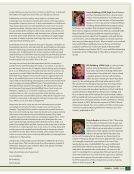
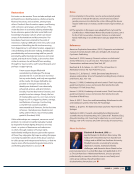
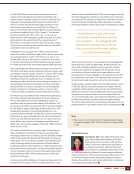
Lorna Goldberg, LCSW, PsyA, Board Member
and Past President of ICSA, is a clinical social
worker and psychoanalyst in private practice
and Director at the Institute of Psychoanalytic
Studies. In 1976, she and her husband, William
Goldberg, began facilitating a support group
for former cult members that continues to meet monthly in
their home in Englewood, New Jersey. She has cochaired ICSA’s
Mental Health Committee, published numerous articles in
professional journals about her therapeutic work with former
cult members, and contributed chapters to several important
texts on psychotherapy and cults. Most recently Lorna coedited
(along with William Goldberg, Rosanne Henry, and Michael
Langone) Cult Recovery: A Clinician’s Guide to Working With
Former Members and Families (2017). Lorna and Bill are founding
facilitators of the CT Workshop for Those Born or Raised in Cultic
Groups.
Bill Goldberg, LCSW, PsyA, is a clinical social
worker and psychoanalyst with more than
forty years’ experience working with former
cult members. He and his wife, Lorna, colead
a support group for former cult members,
which has been meeting for more than forty
years. It is the oldest group of its kind in the world. In 2007,
Bill retired from the Rockland County, New York Department
of Mental Health, where he directed several programs and
clinics. He is presently an adjunct professor in the Social Work
and Social Science departments of Dominican College, and
he is on the faculty of the Institute for Psychoanalytic Studies.
Bill has published numerous articles in books and professional
journals and is a frequent speaker at ICSA conferences. Among
other awards, in 2010, Bill was the recipient of ICSA’s Lifetime
Achievement Award. He is also coeditor of ICSA’s Cult Recovery:
A Clinician’s Guide to Working With Former Members and Their
Families, published in 2017.
Patrick Rardin, facilitator, ICSA CT Workshop
for Those Born or Raised in Cultic Groups, was
born in California. His parents raised him in a
cultic Catholic group and when he reached
adolescence, they signed over their parental
rights to the group. Patrick was then sent
to the cult’s headquarters in Itaquera, Sao Paulo, Brazil. He
stayed in the group till age 26 when he gathered the courage
and strength to leave the organization on his own. After
leaving he became a Certified EMT, then was certified and
joined the ASCP (American Society of Clinical Pathologists,
with which he maintains his certification). He now runs his
own IT consulting firm in upstate New York and spends much
of his time involved in recovery from his experience, working
to expose these groups (for example, assisting in research
for MTV’s production of The Cult Question) as well as helping
others in their recovery. n
invulnerability, you may have believed that you didn’t have to deal with
the realities of a capricious and, in this case, dangerous universe.
Additionally, and unfortunately, many religious cult leaders also
instilled fear into members by creating their version of the Apocalypse,
Armageddon, Rapture, and so on. In their representations of “end times,”
these leaders gave their own interpretations to events such as we are
experiencing today. However, these were self-serving interpretations
to scare and keep the members in line. Events such as our current one,
while rare, have occurred before and obviously none of them resulted
in the end of the world. While the events unfolding now might trigger
reminders of leaders’ end-times teachings, they are just as false as the
majority of those teachings were.
Daniel Shaw, in his book Traumatic Narcissism, describes cult leaders as
traumatizing narcissists, who take credit for good things but externalize
blame for bad things, projecting the blame onto their followers. After
leaving a cult, in frightening times, former members might feel a pull
toward the fear and self-blame that they experienced while they were in
the cult. This pull can occur because the world situation reminds them
how they dealt with discomfort while in the cult.
You may unconsciously feel that a pandemic like the coronavirus is
punishment for something that the world, or our nation, or society, or
you did wrong. Since we are all imperfect human beings and not angels,
all of us can find behaviors or thoughts that were far from perfect. You
may want to consider Rabbi Harold Kushner’s perception in his book
When Bad Things Happen to Good People. Kushner suggests that God,
like us, is troubled by the crises in the world. Rather than holding us
responsible for the bad things that happen, Kushner believes that God’s
role is to support us during difficult times. If you don’t believe in God,
there still remains wisdom in this approach. The salient point is that
we all can gain from support during difficult times: from loved ones,
therapists, neighbors, or co-workers. Creating a community for
ourselves helps us. Life is random and often unfair. Kushner urges us
to get beyond the unanswerable question, “Why did this happen?” and
instead to concentrate on the question that we can have more control
over, “What can I do now that it’s happened?”
People who do well in crises are the ones who take action on their
own behalf and on behalf of others to gain some control over the
situation. They might find it useful to regulate the powerful emotions
that crises elicit by taking deep cleansing breaths and using grounding
techniques when experiencing overwhelming anxiety. They might
establish reassuring routines and eat and sleep at regular times. Some
find it beneficial to take a break from the news if they find the news
to be overwhelmingly upsetting. Others find that exercise helps, or a
walk in the sunlight when possible. Some use this down time to involve
themselves in creative pursuits such as art, music, or writing. Books and
movies can provide needed breaks by allowing for temporary escape
into different worlds. When feeling isolated, some people reach out to
others to receive solace from nurturing relationships, or they might find
satisfaction in offering help.
Living in this confined and scary world makes it difficult for all of us to
be our best selves. This is a time to practice self-acceptance (instead of
self-blame). Keep your sense of humor. Most of all, please remember,
this frightening time will pass.
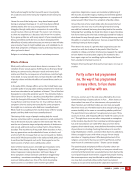
Keep safe and take care of yourselves!
Lorna Goldberg
Bill Goldberg
Patrick Rardin
Lorna Goldberg, LCSW, PsyA, Board Member
and Past President of ICSA, is a clinical social
worker and psychoanalyst in private practice
and Director at the Institute of Psychoanalytic
Studies. In 1976, she and her husband, William
Goldberg, began facilitating a support group
for former cult members that continues to meet monthly in
their home in Englewood, New Jersey. She has cochaired ICSA’s
Mental Health Committee, published numerous articles in
professional journals about her therapeutic work with former
cult members, and contributed chapters to several important
texts on psychotherapy and cults. Most recently Lorna coedited
(along with William Goldberg, Rosanne Henry, and Michael
Langone) Cult Recovery: A Clinician’s Guide to Working With
Former Members and Families (2017). Lorna and Bill are founding
facilitators of the CT Workshop for Those Born or Raised in Cultic
Groups.
Bill Goldberg, LCSW, PsyA, is a clinical social
worker and psychoanalyst with more than
forty years’ experience working with former
cult members. He and his wife, Lorna, colead
a support group for former cult members,
which has been meeting for more than forty
years. It is the oldest group of its kind in the world. In 2007,
Bill retired from the Rockland County, New York Department
of Mental Health, where he directed several programs and
clinics. He is presently an adjunct professor in the Social Work
and Social Science departments of Dominican College, and
he is on the faculty of the Institute for Psychoanalytic Studies.
Bill has published numerous articles in books and professional
journals and is a frequent speaker at ICSA conferences. Among
other awards, in 2010, Bill was the recipient of ICSA’s Lifetime
Achievement Award. He is also coeditor of ICSA’s Cult Recovery:
A Clinician’s Guide to Working With Former Members and Their
Families, published in 2017.
Patrick Rardin, facilitator, ICSA CT Workshop
for Those Born or Raised in Cultic Groups, was
born in California. His parents raised him in a
cultic Catholic group and when he reached
adolescence, they signed over their parental
rights to the group. Patrick was then sent
to the cult’s headquarters in Itaquera, Sao Paulo, Brazil. He
stayed in the group till age 26 when he gathered the courage
and strength to leave the organization on his own. After
leaving he became a Certified EMT, then was certified and
joined the ASCP (American Society of Clinical Pathologists,
with which he maintains his certification). He now runs his
own IT consulting firm in upstate New York and spends much
of his time involved in recovery from his experience, working
to expose these groups (for example, assisting in research
for MTV’s production of The Cult Question) as well as helping
others in their recovery. n
invulnerability, you may have believed that you didn’t have to deal with
the realities of a capricious and, in this case, dangerous universe.
Additionally, and unfortunately, many religious cult leaders also
instilled fear into members by creating their version of the Apocalypse,
Armageddon, Rapture, and so on. In their representations of “end times,”
these leaders gave their own interpretations to events such as we are
experiencing today. However, these were self-serving interpretations
to scare and keep the members in line. Events such as our current one,
while rare, have occurred before and obviously none of them resulted
in the end of the world. While the events unfolding now might trigger
reminders of leaders’ end-times teachings, they are just as false as the
majority of those teachings were.
Daniel Shaw, in his book Traumatic Narcissism, describes cult leaders as
traumatizing narcissists, who take credit for good things but externalize
blame for bad things, projecting the blame onto their followers. After
leaving a cult, in frightening times, former members might feel a pull
toward the fear and self-blame that they experienced while they were in
the cult. This pull can occur because the world situation reminds them
how they dealt with discomfort while in the cult.
You may unconsciously feel that a pandemic like the coronavirus is
punishment for something that the world, or our nation, or society, or
you did wrong. Since we are all imperfect human beings and not angels,
all of us can find behaviors or thoughts that were far from perfect. You
may want to consider Rabbi Harold Kushner’s perception in his book
When Bad Things Happen to Good People. Kushner suggests that God,
like us, is troubled by the crises in the world. Rather than holding us
responsible for the bad things that happen, Kushner believes that God’s
role is to support us during difficult times. If you don’t believe in God,
there still remains wisdom in this approach. The salient point is that
we all can gain from support during difficult times: from loved ones,
therapists, neighbors, or co-workers. Creating a community for
ourselves helps us. Life is random and often unfair. Kushner urges us
to get beyond the unanswerable question, “Why did this happen?” and
instead to concentrate on the question that we can have more control
over, “What can I do now that it’s happened?”
People who do well in crises are the ones who take action on their
own behalf and on behalf of others to gain some control over the
situation. They might find it useful to regulate the powerful emotions
that crises elicit by taking deep cleansing breaths and using grounding
techniques when experiencing overwhelming anxiety. They might
establish reassuring routines and eat and sleep at regular times. Some
find it beneficial to take a break from the news if they find the news
to be overwhelmingly upsetting. Others find that exercise helps, or a
walk in the sunlight when possible. Some use this down time to involve
themselves in creative pursuits such as art, music, or writing. Books and
movies can provide needed breaks by allowing for temporary escape
into different worlds. When feeling isolated, some people reach out to
others to receive solace from nurturing relationships, or they might find
satisfaction in offering help.
Living in this confined and scary world makes it difficult for all of us to
be our best selves. This is a time to practice self-acceptance (instead of
self-blame). Keep your sense of humor. Most of all, please remember,
this frightening time will pass.
Keep safe and take care of yourselves!
Lorna Goldberg
Bill Goldberg
Patrick Rardin