Not all “I AM” followers were white supremacists but, Joe
explains, the philosophy is based on the belief that only a
limited number of people can get into heaven, with the clear
implication that privileged white people are at the front of
the line. Joe later learned that theosophy and Nazism were
intertwined, as described in the study, The Occult Roots of
Nazism: Secret Aryan Cults and Their Influence on Nazi Ideology,
by Nicholas Goodrick-Clarke (1992, Chapter 2, “The Modern
German Occult Revival 1880–1910,” pp. 17–32). Joe was
taken with the “I AM” organization and had no idea of its elitist
philosophy but he worried about the magical powers of
decreeing. He hoped he would not abuse the powers, saying,
“My inclination at the time was to believe that my God within
would direct me to do right” (p. 64).
Ultimately Joe ran up against the “I AM” exclusionary rules
when the members told him he had a hole in his aura and could
not participate fully in “I AM” in this lifetime. Joe said, “I was
stunned. Was this true? Did I have an actual hole in my aura?”
(p. 72). He took the hint and drifted away from the group but
he continued to hone the same philosophy through Agni Yoga.
Agni Yoga taught Joe that a person’s thoughts were a powerful
force that could bring good or bad karma. Psychic energy could
accumulate in objects, people, creatures, or nature. After visiting
the Agni Yoga Society in New York, he was driving home to
New Mexico when his truck broke down. He blamed it on his
doubting thoughts, which were accumulating as he drove. Joe
acknowledges now that his truck had more than a hundred
thousand miles on it and in retrospect he sees through the
rhetoric of magical occult powers, which is a way to make
victims feel guilty and blame every bad thing on themselves.
From Agni Yoga, Joe stumbled into another theosophy group,
the Church Universal and Triumphant (CUT), also known as
the Summit Lighthouse. He later realized that, “Despite its
grandiose claim to represent the essence of all religions, CUT
had a paranoid, right-wing reputation after it amassed weapons
for self-defense against marauding, Godless Liberals” (p. 184).
Realizing the absurdity of it and feeling broken by it, Joe
became disillusioned with CUT after about a year. He turned to
Sister Theresa, a nun and friend of his, for advice. She listened
to his story and offered to pray with him. This was his turning
point. Within a few months, Joe bought a round-the-world
plane ticket, a promotion available in the early 1980s, and went
out to see the world.
His travels included Hawaii, Australia, Japan, Europe, Mexico,
India, and Nepal. He wanted to visit places associated with
theosophy, and he went to India because the infinitely complex
world of theosophy intertwined with the beliefs of numerous
Indian gurus. The most extreme example of this blending was
when theosophy leaders Annie Besant and Charles Webster
Leadbeater adopted J. Krishnamurti as a child and tried to raise
him to become a world messiah. Joe also journeyed to Nepal to
see the Himalayas, where his favorite theosophy-related artist,
Nicholas Roerich (1874–1947), had painted his colorful and
mysterious landscapes.
Joe also revisited his birthplace in Pocking, Germany, where he
had spent the first 2 years of life in a displaced persons’ camp
with his parents after World War II. The camp was gone but with
the help of people he met there, he found the church where he
was baptized. This experience helped him make the connection
between how the hardships the Nazis imposed on his family
mirrored the dynamic of the cultic groups he followed as an adult.
After returning to Santa Fe, Joe struggled to acknowledge that
theosophy was a made-up philosophy. He felt drawn to cult
critics and eventually realized he was turning into a skeptic.
Giving up his religion, he struggled with his identity, trying
to reconcile his life as an artist and his new calling as a cult
interventionist. In the last chapters of the memoir, he describes
his collaboration with other cult interventionists and recounts
his most memorable encounters with active cult members.
Besides being a valuable map to the theosophy universe, Santa
Fe, Bill Tate, and me is an artist’s memoir. Joe explains how he
sought the spiritual path to add soul to his art, but that it also
led him to help others who had fallen into cultic traps. Besides
being his own story, the book serves as a tribute to Bill Tate,
Joe’s true friend and guide. Joe’s narrative reveals Bill as a gentle,
humble man who led a long life of adventure and hardship.
The stories about Bill’s life are mesmerizing, offering humor and
happy moments to go with the drama of Joe’s spiritual quest. n
Note
[1] The decree is cited in Turn Left at the Sleeping Dog: Scripting
the Santa Fe Legend, 1920–1955, by John Pen La Farge (2006),
p. 205.
21
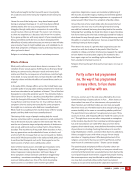
About the Reviewer
Nori Muster, MS, is the author of Betrayal of the
Spirit: My Life behind the Headlines of the Hare
Krishna Movement (University of Illinois Press,
1997), Cult Survivors Handbook: Seven Paths to
an Authentic Life (2010), and Child of the Cult
(2012). She was an ISKCON member from 1978
to 1988, then earned her Master of Science degree at Western
Oregon University in 1991 doing art therapy with juveniles. She
is currently a freelance writer and adjunct professor based in
Arizona. Her website for cultic studies information is norimuster.
com/writing/culticstudies.html n
VOLUME 11 |ISSUE 2 |2020
He felt drawn to cult critics and
eventually realized he was turning
into a skeptic. … he struggled with
his identity, trying to reconcile his
life as an artist and his new calling
as a cult interventionist.
explains, the philosophy is based on the belief that only a
limited number of people can get into heaven, with the clear
implication that privileged white people are at the front of
the line. Joe later learned that theosophy and Nazism were
intertwined, as described in the study, The Occult Roots of
Nazism: Secret Aryan Cults and Their Influence on Nazi Ideology,
by Nicholas Goodrick-Clarke (1992, Chapter 2, “The Modern
German Occult Revival 1880–1910,” pp. 17–32). Joe was
taken with the “I AM” organization and had no idea of its elitist
philosophy but he worried about the magical powers of
decreeing. He hoped he would not abuse the powers, saying,
“My inclination at the time was to believe that my God within
would direct me to do right” (p. 64).
Ultimately Joe ran up against the “I AM” exclusionary rules
when the members told him he had a hole in his aura and could
not participate fully in “I AM” in this lifetime. Joe said, “I was
stunned. Was this true? Did I have an actual hole in my aura?”
(p. 72). He took the hint and drifted away from the group but
he continued to hone the same philosophy through Agni Yoga.
Agni Yoga taught Joe that a person’s thoughts were a powerful
force that could bring good or bad karma. Psychic energy could
accumulate in objects, people, creatures, or nature. After visiting
the Agni Yoga Society in New York, he was driving home to
New Mexico when his truck broke down. He blamed it on his
doubting thoughts, which were accumulating as he drove. Joe
acknowledges now that his truck had more than a hundred
thousand miles on it and in retrospect he sees through the
rhetoric of magical occult powers, which is a way to make
victims feel guilty and blame every bad thing on themselves.
From Agni Yoga, Joe stumbled into another theosophy group,
the Church Universal and Triumphant (CUT), also known as
the Summit Lighthouse. He later realized that, “Despite its
grandiose claim to represent the essence of all religions, CUT
had a paranoid, right-wing reputation after it amassed weapons
for self-defense against marauding, Godless Liberals” (p. 184).
Realizing the absurdity of it and feeling broken by it, Joe
became disillusioned with CUT after about a year. He turned to
Sister Theresa, a nun and friend of his, for advice. She listened
to his story and offered to pray with him. This was his turning
point. Within a few months, Joe bought a round-the-world
plane ticket, a promotion available in the early 1980s, and went
out to see the world.
His travels included Hawaii, Australia, Japan, Europe, Mexico,
India, and Nepal. He wanted to visit places associated with
theosophy, and he went to India because the infinitely complex
world of theosophy intertwined with the beliefs of numerous
Indian gurus. The most extreme example of this blending was
when theosophy leaders Annie Besant and Charles Webster
Leadbeater adopted J. Krishnamurti as a child and tried to raise
him to become a world messiah. Joe also journeyed to Nepal to
see the Himalayas, where his favorite theosophy-related artist,
Nicholas Roerich (1874–1947), had painted his colorful and
mysterious landscapes.
Joe also revisited his birthplace in Pocking, Germany, where he
had spent the first 2 years of life in a displaced persons’ camp
with his parents after World War II. The camp was gone but with
the help of people he met there, he found the church where he
was baptized. This experience helped him make the connection
between how the hardships the Nazis imposed on his family
mirrored the dynamic of the cultic groups he followed as an adult.
After returning to Santa Fe, Joe struggled to acknowledge that
theosophy was a made-up philosophy. He felt drawn to cult
critics and eventually realized he was turning into a skeptic.
Giving up his religion, he struggled with his identity, trying
to reconcile his life as an artist and his new calling as a cult
interventionist. In the last chapters of the memoir, he describes
his collaboration with other cult interventionists and recounts
his most memorable encounters with active cult members.
Besides being a valuable map to the theosophy universe, Santa
Fe, Bill Tate, and me is an artist’s memoir. Joe explains how he
sought the spiritual path to add soul to his art, but that it also
led him to help others who had fallen into cultic traps. Besides
being his own story, the book serves as a tribute to Bill Tate,
Joe’s true friend and guide. Joe’s narrative reveals Bill as a gentle,
humble man who led a long life of adventure and hardship.
The stories about Bill’s life are mesmerizing, offering humor and
happy moments to go with the drama of Joe’s spiritual quest. n
Note
[1] The decree is cited in Turn Left at the Sleeping Dog: Scripting
the Santa Fe Legend, 1920–1955, by John Pen La Farge (2006),
p. 205.
21
About the Reviewer
Nori Muster, MS, is the author of Betrayal of the
Spirit: My Life behind the Headlines of the Hare
Krishna Movement (University of Illinois Press,
1997), Cult Survivors Handbook: Seven Paths to
an Authentic Life (2010), and Child of the Cult
(2012). She was an ISKCON member from 1978
to 1988, then earned her Master of Science degree at Western
Oregon University in 1991 doing art therapy with juveniles. She
is currently a freelance writer and adjunct professor based in
Arizona. Her website for cultic studies information is norimuster.
com/writing/culticstudies.html n
VOLUME 11 |ISSUE 2 |2020
He felt drawn to cult critics and
eventually realized he was turning
into a skeptic. … he struggled with
his identity, trying to reconcile his
life as an artist and his new calling
as a cult interventionist.