ISSN: 2710-4028 DOI: https://doi.org/10.54208/0003 3
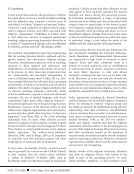
Despite the paucity of research on grooming, several
definitions and approaches to understanding it do exist
(see for example Craven et al., 2006 Lanning, 2005
McAlinden, 2012 Ost, 2004 Plummer, 2018 Salter,
2013 van Dam, 2001 Williams, 2015 Winters &
Jeglic, 2017) and the origins and history of the concept
have been documented (Lanning, 2018).8
1
Moreover,
a growing body of research contributes to the
development of the concept, and, clearly, a great deal
of consensus has emerged around several significant
features within the process, although some definitions
and approaches contribute specific additional nuances.
Craven et al. (2006) identify grooming as:
a process by which a person prepares a child,
significant adults and the environment for
the abuse of the child. Specific goals include
gaining access to the child, gaining the child’s
compliance and maintaining the child’s
secrecy to avoid disclosure. This process
serves to strengthen the offender’s abusive
pattern, as it may be used as a means of justifying
or denying their actions
(Craven et al., 2006, p. 297).
The authors distinguish three types grooming: “self-
grooming, grooming the environment and significant
others and grooming the child” (Craven et al., 2006,
pp. 291, 297). First, self-grooming pertains to the way
in which the child sexual offender denies the behavior
as abusive or rationalizes and excuses it. Second, when
abusers groom the victims’ significant others and the
broader environment, they usually do so by occupying
a position of trust. Sometimes this form of grooming is
sufficiently effective that parents and other caregivers
place so much faith in the character of the offender that
if a child does reveal that he or she has been abused,
then the adults may not believe the revelation (Craven
et al., 2006). Grooming the family (via befriending
them) often is a common means to access children
(Plummer, 2018).
8 Lanning traces the use of the term ‘seduction’ in law enforcement
and criminal justice agencies and institutions through to its eventual
replacement (starting in the mid-1980s) by ‘grooming.’ Lanning proposes
that the two terms essentially refer to the same process and have been used
interchangeably over several years, although ‘grooming’ is now the dominant
term. Knowledge of the process (whether one names it seduction and/or
grooming) percolated from law enforcement to academia, media, and the
general public (Lanning, 2018, pp. 9-10).
Finally, the most frequently acknowledged form—
grooming the child—involves both psychological and
physical dimensions. Physical grooming refers to the
“gradual sexualization of the relationship” beginning
with non-sexual touching that progresses over time
to sexual contact whereby the child may not even
understand the abusive and improper nature of the
behavior (Berliner &Conte, 1990, in Craven et al.,
2006, p. 295). At the same time, the offender employs
psychological strategies to groom the child, gaining the
child’s trust (trust that they later breach9)--
1
making the
child feel good, increasing compliance, and ensuring
the child’s silence around the abuse.10
More recently, McAlinden (2012) proposes a
definition that incorporates the following criteria: “(1)
the use of a variety of manipulative and controlling
techniques (2) with a vulnerable subject (3) in a range
of interpersonal and social settings (4) in order to
establish trust or normalize sexually harmful behavior
(5) with the overall aim of facilitating exploitation and/
or prohibiting exposure” (McAlinden, 2012, p. 11).
Both Craven et al. and McAlinden offer comprehensive
definitions that are applicable in numerous settings,
including religious ones.
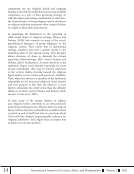
Existing research acknowledges the variety of locations
in which grooming might occur and explains also the
diversity of specific means the perpetrator may use
to secure the child’s trust and compliance. Common
practices include gift giving, attention, touching,
massage, hugging, praise etc. (Lanning, 2005 Salter,
2013), as well as specifically showing an interest in
the child, establishing a friendship—which in some
cases may lead to trips with the offender (Plummer,
2018). The offender may even establish a “pseudo-
parental role” (Powell, 2007, cited in McAlinden,
2012). Offenders may also groom the child with access
to prohibited activities—ones typically engaged in by
adults— for example, drug and alcohol consumption
and the viewing of pornography. Touching, however, is
9 For a discussion of the importance and dynamics of trust, see
McAlinden (2012).
10 Lanning (2018) proposes that most sexual offenders who are
known to the child do not usually use violence because effective grooming
strategies are less likely to lead to the child telling another person about what
is happening (Lanning, 2018). Offenders typically avoid using threats and
violence, resorting to them only if they fear exposure or if they believe the
victim is going to end contact with the offender (Lanning, 2018).
Despite the paucity of research on grooming, several
definitions and approaches to understanding it do exist
(see for example Craven et al., 2006 Lanning, 2005
McAlinden, 2012 Ost, 2004 Plummer, 2018 Salter,
2013 van Dam, 2001 Williams, 2015 Winters &
Jeglic, 2017) and the origins and history of the concept
have been documented (Lanning, 2018).8
1
Moreover,
a growing body of research contributes to the
development of the concept, and, clearly, a great deal
of consensus has emerged around several significant
features within the process, although some definitions
and approaches contribute specific additional nuances.
Craven et al. (2006) identify grooming as:
a process by which a person prepares a child,
significant adults and the environment for
the abuse of the child. Specific goals include
gaining access to the child, gaining the child’s
compliance and maintaining the child’s
secrecy to avoid disclosure. This process
serves to strengthen the offender’s abusive
pattern, as it may be used as a means of justifying
or denying their actions
(Craven et al., 2006, p. 297).
The authors distinguish three types grooming: “self-
grooming, grooming the environment and significant
others and grooming the child” (Craven et al., 2006,
pp. 291, 297). First, self-grooming pertains to the way
in which the child sexual offender denies the behavior
as abusive or rationalizes and excuses it. Second, when
abusers groom the victims’ significant others and the
broader environment, they usually do so by occupying
a position of trust. Sometimes this form of grooming is
sufficiently effective that parents and other caregivers
place so much faith in the character of the offender that
if a child does reveal that he or she has been abused,
then the adults may not believe the revelation (Craven
et al., 2006). Grooming the family (via befriending
them) often is a common means to access children
(Plummer, 2018).
8 Lanning traces the use of the term ‘seduction’ in law enforcement
and criminal justice agencies and institutions through to its eventual
replacement (starting in the mid-1980s) by ‘grooming.’ Lanning proposes
that the two terms essentially refer to the same process and have been used
interchangeably over several years, although ‘grooming’ is now the dominant
term. Knowledge of the process (whether one names it seduction and/or
grooming) percolated from law enforcement to academia, media, and the
general public (Lanning, 2018, pp. 9-10).
Finally, the most frequently acknowledged form—
grooming the child—involves both psychological and
physical dimensions. Physical grooming refers to the
“gradual sexualization of the relationship” beginning
with non-sexual touching that progresses over time
to sexual contact whereby the child may not even
understand the abusive and improper nature of the
behavior (Berliner &Conte, 1990, in Craven et al.,
2006, p. 295). At the same time, the offender employs
psychological strategies to groom the child, gaining the
child’s trust (trust that they later breach9)--
1
making the
child feel good, increasing compliance, and ensuring
the child’s silence around the abuse.10
More recently, McAlinden (2012) proposes a
definition that incorporates the following criteria: “(1)
the use of a variety of manipulative and controlling
techniques (2) with a vulnerable subject (3) in a range
of interpersonal and social settings (4) in order to
establish trust or normalize sexually harmful behavior
(5) with the overall aim of facilitating exploitation and/
or prohibiting exposure” (McAlinden, 2012, p. 11).
Both Craven et al. and McAlinden offer comprehensive
definitions that are applicable in numerous settings,
including religious ones.
Existing research acknowledges the variety of locations
in which grooming might occur and explains also the
diversity of specific means the perpetrator may use
to secure the child’s trust and compliance. Common
practices include gift giving, attention, touching,
massage, hugging, praise etc. (Lanning, 2005 Salter,
2013), as well as specifically showing an interest in
the child, establishing a friendship—which in some
cases may lead to trips with the offender (Plummer,
2018). The offender may even establish a “pseudo-
parental role” (Powell, 2007, cited in McAlinden,
2012). Offenders may also groom the child with access
to prohibited activities—ones typically engaged in by
adults— for example, drug and alcohol consumption
and the viewing of pornography. Touching, however, is
9 For a discussion of the importance and dynamics of trust, see
McAlinden (2012).
10 Lanning (2018) proposes that most sexual offenders who are
known to the child do not usually use violence because effective grooming
strategies are less likely to lead to the child telling another person about what
is happening (Lanning, 2018). Offenders typically avoid using threats and
violence, resorting to them only if they fear exposure or if they believe the
victim is going to end contact with the offender (Lanning, 2018).