VOLUME 5 |NUMBER 2 |2014
About the Author
Gillie Jenkinson, MA,
specializes in working with spiritual and cultic abuse, offering
psychotherapy, postcult counselling, training, supervision, and
consultancy. She facilitates a small group for former cult
members in Grindleford, United Kingdom, which meets every 2
months. She is an international speaker and a published author
including coauthor of chapter 13, Pathological Spirituality, in
Spirituality and Psychiatry, RPsych Publications, 2009. Ms.
Jenkinson began work on a PhD at the University of Nottingham,
England, in the fall of 2012. Her research question is entitled “What helps former cult
members recover from an abusive cult experience?” She is the Mental Health Editor
for ICSA Today. To contact Ms. Jenkinson, email info@hopevalleycounselling.com or
visit www.hopevalleycounselling.com ■
Notes
[1] Jenkinson, G. Thresholds. Winter 2007 14.
[2] Langone, M. D. Cults, Psychological Manipulation, and
Society: International Perspectives—An Overview. Cultic
Studies Journal, 2001, 18(2), pp. 1–12.
http://icsahome.com/
[3] Kendall, L. A Psychological Investigation Into the Effects
of Former Membership of Extremist Authoritarian Sects
(PhD thesis, Department of Psychology, Buckingham
Chilterns University College), 2006.
[4] Langone, M. D. Recovery From Cults (WW Norton and
Sons), 1993.
[5] Langone, M. D., 1993.
[6] Reber, A. S., and Reber, E. The Penguin Dictionary of
Psychology, third edition (Penguin), 2001.
[7] Jenkinson, G. Cultic Studies Review, 2008, 7(3), p. 206.
[8] Singer, M. T., Cults in Our Midst (Jossey-Bass), 2003.
[9] West, W. Spiritual Issues in Therapy (London: Palgrave
Macmillan), 2004.
[10] Giambalvo, C. Exit Counseling (American Family
Foundation [now International Cultic Studies
Association]), 1995.
[11] Martin, P. M. Cult-Proofing Your Kids (London:
Zondervan), 1993.
[12] Singer, M. T., 2003.
[13] Perls, F. S., Hefferline, R. F, and Goodman, P. Gestalt
Therapy: Excitement and Growth in the Human
Personality (Souvenir Press), 1951.
[14] Jenkinson, G., 2008, p. 206.
[15] Lifton, R. J. Thought Reform and the Psychology of
Totalism: A Study of ‘Brainwashing’ in China (University
of North Carolina Press, reprint edition), 1989.
Resources and Further Readings
• The International Cultic Studies Association (ICSA)
is a global network of people concerned about
psychological manipulation and abuse in cultic
groups, alternative movements, and other
environments. ICSA’s mission is to apply research
and professional perspectives on cultic groups to
educate the public, and help those who have been
harmed. For more details, visit the ICSA website:
www.icsahome.com
• The Cult Information Centre, London is a charity
providing advice and information for victims of
cults, their families and friends, researchers and
the media. www.cultinformation.org.uk
• INFORM (The Information Network on Religious
Movements) is an independent charity that aims to
provide information about alternative religious,
spiritual, and esoteric movements. www.inform.ac
• Freedom of Mind: Helping Loved Ones Leave
Controlling People, Cults and Beliefs (2nd Ed.),
2013, by Steven Hassan.
www.freedomofmind.com
• Take Back Your Life: Recovery from Abusive Groups
and Relationships, by Janja Lalich and Madeleine
Tobias, 2006.
• Cults in our Midst, by Margaret Singer, 2003.
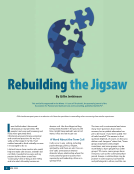
pseudopersonality being laid down like
pieces of a jigsaw (Singer’s layers) and I
use this metaphor with clients. Each
psychoeducational area I work on with
clients is a piece of the jigsaw that
correlates to the layers of the cult
pseudopersonality laid down in the
client while they were in the cult. The
psychoeducational subject areas
needing to be addressed to facilitate
recovery include: thought reform (see
Lifton’s work which explains how
control and conversion occur15)
influence dealing with trauma,
including rape and sexual abuse
returning to family and friends (many
former cult members have been cut off
from their family) changing the way
they look (many cults expect their
members to adhere to a dress code)
sexuality (many have become celibate
or in some groups have had to
prostitute themselves to recruit others)
owning their own spirituality learning
how to handle money and practical
issues of being in the “real world” (many
cults take all the members’ money and
the group takes control of managing
money) and other areas that are
specific to that former cult member’s
particular experience.
I give each client a folder of handouts
and resources so that, once they
understand the dynamics, they have
the tools and resources to go forward
with their recovery process without
becoming dependent on me.
I have called this model “Post Cult
CounsellingHVC.” The HVC stands for
Hope Valley Counselling and describes
my approach as opposed to any other
using a similar label. In order to
overcome the challenge of people living
a long way from me and the time
required to pass on the
psychoeducational information, clients
come and stay in a B&B or holiday
cottage in the beautiful Derbyshire Peak
District. This is followed up by
telephone sessions, if needed. Once the
former cult member understands what
they have been through and can put
the pieces of the jigsaw back together
for themselves, then they can work with
any other open-minded therapist, with
the knowledge of what has happened
to them clearer in their own mind.
Conclusion
I find myself in my early 60s doing
things that 30-year-olds are doing. I lost
my 20s to the cult I joined and my 30s
as a result of not realising I was still lost
in the cult mindset (but the best thing
is I had my lovely children then!). I
therefore spent my prime studying and
business-building years in another
“mental universe” (to borrow BBC
journalist Jeremy Bowen’s description of
Gaddafi’s world view).
I have since built a psychotherapy
service with my husband I am
coordinator for a charity originally set
up by a couple born and raised in a
cultic group (www.encourage-
cult-survivors.org) I have started to
train other therapists to recognise the
specific needs of ex cult members and I
have begun to gather a small group of
therapists together who would like to
specialise in this work or at least find
out more about it so that I can pass on
what I have learned.
I have been on this road now for many
years it has been a long journey and
there is still much to do. ■
5
About the Author
Gillie Jenkinson, MA,
specializes in working with spiritual and cultic abuse, offering
psychotherapy, postcult counselling, training, supervision, and
consultancy. She facilitates a small group for former cult
members in Grindleford, United Kingdom, which meets every 2
months. She is an international speaker and a published author
including coauthor of chapter 13, Pathological Spirituality, in
Spirituality and Psychiatry, RPsych Publications, 2009. Ms.
Jenkinson began work on a PhD at the University of Nottingham,
England, in the fall of 2012. Her research question is entitled “What helps former cult
members recover from an abusive cult experience?” She is the Mental Health Editor
for ICSA Today. To contact Ms. Jenkinson, email info@hopevalleycounselling.com or
visit www.hopevalleycounselling.com ■
Notes
[1] Jenkinson, G. Thresholds. Winter 2007 14.
[2] Langone, M. D. Cults, Psychological Manipulation, and
Society: International Perspectives—An Overview. Cultic
Studies Journal, 2001, 18(2), pp. 1–12.
http://icsahome.com/
[3] Kendall, L. A Psychological Investigation Into the Effects
of Former Membership of Extremist Authoritarian Sects
(PhD thesis, Department of Psychology, Buckingham
Chilterns University College), 2006.
[4] Langone, M. D. Recovery From Cults (WW Norton and
Sons), 1993.
[5] Langone, M. D., 1993.
[6] Reber, A. S., and Reber, E. The Penguin Dictionary of
Psychology, third edition (Penguin), 2001.
[7] Jenkinson, G. Cultic Studies Review, 2008, 7(3), p. 206.
[8] Singer, M. T., Cults in Our Midst (Jossey-Bass), 2003.
[9] West, W. Spiritual Issues in Therapy (London: Palgrave
Macmillan), 2004.
[10] Giambalvo, C. Exit Counseling (American Family
Foundation [now International Cultic Studies
Association]), 1995.
[11] Martin, P. M. Cult-Proofing Your Kids (London:
Zondervan), 1993.
[12] Singer, M. T., 2003.
[13] Perls, F. S., Hefferline, R. F, and Goodman, P. Gestalt
Therapy: Excitement and Growth in the Human
Personality (Souvenir Press), 1951.
[14] Jenkinson, G., 2008, p. 206.
[15] Lifton, R. J. Thought Reform and the Psychology of
Totalism: A Study of ‘Brainwashing’ in China (University
of North Carolina Press, reprint edition), 1989.
Resources and Further Readings
• The International Cultic Studies Association (ICSA)
is a global network of people concerned about
psychological manipulation and abuse in cultic
groups, alternative movements, and other
environments. ICSA’s mission is to apply research
and professional perspectives on cultic groups to
educate the public, and help those who have been
harmed. For more details, visit the ICSA website:
www.icsahome.com
• The Cult Information Centre, London is a charity
providing advice and information for victims of
cults, their families and friends, researchers and
the media. www.cultinformation.org.uk
• INFORM (The Information Network on Religious
Movements) is an independent charity that aims to
provide information about alternative religious,
spiritual, and esoteric movements. www.inform.ac
• Freedom of Mind: Helping Loved Ones Leave
Controlling People, Cults and Beliefs (2nd Ed.),
2013, by Steven Hassan.
www.freedomofmind.com
• Take Back Your Life: Recovery from Abusive Groups
and Relationships, by Janja Lalich and Madeleine
Tobias, 2006.
• Cults in our Midst, by Margaret Singer, 2003.
pseudopersonality being laid down like
pieces of a jigsaw (Singer’s layers) and I
use this metaphor with clients. Each
psychoeducational area I work on with
clients is a piece of the jigsaw that
correlates to the layers of the cult
pseudopersonality laid down in the
client while they were in the cult. The
psychoeducational subject areas
needing to be addressed to facilitate
recovery include: thought reform (see
Lifton’s work which explains how
control and conversion occur15)
influence dealing with trauma,
including rape and sexual abuse
returning to family and friends (many
former cult members have been cut off
from their family) changing the way
they look (many cults expect their
members to adhere to a dress code)
sexuality (many have become celibate
or in some groups have had to
prostitute themselves to recruit others)
owning their own spirituality learning
how to handle money and practical
issues of being in the “real world” (many
cults take all the members’ money and
the group takes control of managing
money) and other areas that are
specific to that former cult member’s
particular experience.
I give each client a folder of handouts
and resources so that, once they
understand the dynamics, they have
the tools and resources to go forward
with their recovery process without
becoming dependent on me.
I have called this model “Post Cult
CounsellingHVC.” The HVC stands for
Hope Valley Counselling and describes
my approach as opposed to any other
using a similar label. In order to
overcome the challenge of people living
a long way from me and the time
required to pass on the
psychoeducational information, clients
come and stay in a B&B or holiday
cottage in the beautiful Derbyshire Peak
District. This is followed up by
telephone sessions, if needed. Once the
former cult member understands what
they have been through and can put
the pieces of the jigsaw back together
for themselves, then they can work with
any other open-minded therapist, with
the knowledge of what has happened
to them clearer in their own mind.
Conclusion
I find myself in my early 60s doing
things that 30-year-olds are doing. I lost
my 20s to the cult I joined and my 30s
as a result of not realising I was still lost
in the cult mindset (but the best thing
is I had my lovely children then!). I
therefore spent my prime studying and
business-building years in another
“mental universe” (to borrow BBC
journalist Jeremy Bowen’s description of
Gaddafi’s world view).
I have since built a psychotherapy
service with my husband I am
coordinator for a charity originally set
up by a couple born and raised in a
cultic group (www.encourage-
cult-survivors.org) I have started to
train other therapists to recognise the
specific needs of ex cult members and I
have begun to gather a small group of
therapists together who would like to
specialise in this work or at least find
out more about it so that I can pass on
what I have learned.
I have been on this road now for many
years it has been a long journey and
there is still much to do. ■
5