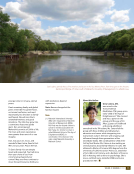
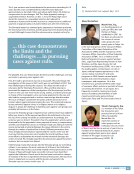
Masaki Kito, Esq,
is a founding partner of
Link Law Office Kito and
Partners in Tokyo,
established in 2001. He
has been an advocate for
the victims of various
cultic groups for over
twenty years in Tokyo. He
is the vice chairperson of the Consumer Affairs
Committee of the Japan Federation of Bar
Associations (JFBA) and the chairperson of the
Consumer Affairs Committee of Daini Tokyo Bar
Association (DTBA). He is a member of the
National Network of Lawyers against Spiritual
Sales, Legal Team Representing Victims of Aum
Shinrikyo, and the Japan Society for Cult
Prevention and Recovery (JSCPR). He is one of
the leading public commentators on cults in
Japan, making frequent appearances in the
various media, including TV and radio
programs on NHK (Japan’s national public
station) and commercial stations, major
newspapers, and magazines. He is also
renowned as a specialist of the broader range
of consumer affairs and also a specialist of issues
concerning the Internet. As an expert, he is
frequently invited to meetings and study
sessions hosted by diet members of both
majority and minority parties (Liberal
Democratic Party and The Democratic Party of
Japan).
Takashi Yamaguchi, Esq,
is a member of the Tokyo
Bar Association and
practices law at Link Law
Office, founded by
Masaki Kito. He
represents victims of
cultic groups, such as
Unification Church, Home
of Heart, and the like, in and out of court. He is a
member of the National Network of Lawyers
Against Spiritual Sales and is also a board
member of The Japan Society for Cult
Prevention and Recovery (JSCPR). ■
VOLUME 5 |NUMBER 2 |2014
The 5-year sentence was lenient because the prosecutor was asking for 10
years, but the court considered the fact that Toru Saito had paid
approximately six hundred million yen (about eight million US dollars) as
compensation for the damages. Still, Toru Saito appealed, seeking a
suspended sentence. However, on Dec 7, 2012, the Tokyo High Court
denied his request for a suspended sentence but reduced his
sentence to 4 years and 6 months in prison as a response to his additional
payment of approximately six hundred million yen after the sentencing.
The Shinsekai leader has admitted guilt, perpetrators have been punished,
the money has been recovered, and the group has been dissolved. But all is
not well. Although it seems that the outcome was a complete victory for
the plaintiffs, this case demonstrates the limits and the challenges one may
encounter in pursuing cases against cults.
First, the road to prosecution was not an easy path. The police began the
investigation of this group in 2007, and it was not until March of 2011 that
they finally began arresting the suspects. This delay was the result of
reluctance by the Yokohama Prosecutor’s office, and that reluctance
prevented the expansion of the investigations. We (the attorneys) and the
victims in this case owe much to the young, zealous, and brave prosecutor
in charge of the investigation, who was newly appointed to the case and
who had the courage and zeal to risk her career and go after the verdict.
The issue of religion caused both the police and the prosecutor to be
hesitant about aggressively prosecuting the case. This restrained response
by the authorities against crimes of a religious nature or in religious
disguise is always the challenge in handling cases against such groups and
probably will remain so in the future.
Second, the Shinsekai group is reputed to have collected more than eighteen
billion yen. Even to call the amount specified in the indictment in this case
the “tip of the iceberg” would be an understatement. Accordingly, the
sentence was too lenient. The public’s fear of a perpetrator’s actions cannot
be atoned for by the perpetrator’s mere payment of money in compensation
and the court treated this case as an “ordinary” fraud case, failing to note the
severe mental and emotional damages the group inflicted on the victims
through its creation of spiritual fear in them. Different prosecutors than
those already mentioned above represented the victims in the trial. We
must say that the prosecutors who handled the trial should have made
more effort to substantiate the mental and the emotional damages the
victims incurred. We strongly urged that the prosecutors appeal the lenient
sentence, but our request was denied.
Unfortunately, many other groups like the Shinsekai group are victimizing
citizens. In our opinion, the most notorious of all these is the Unification
Church, which thus far has successfully evaded criminal prosecution on the
charges of fraud, although many successful civil cases have been filed
against the Unification Church and it also has been convicted on charges
of violation of the Act on Specified Commercial Transactions. We must now
strive to implement our success and the lessons we learned in the
Shinsekai case to counter similar cases. ■
Note
[1] Yokohama District Court, Judgment, May 1, 2012.
21
About the Authors
...this case demonstrates
the limits and the
challenges…in pursuing
cases against cults.
is a founding partner of
Link Law Office Kito and
Partners in Tokyo,
established in 2001. He
has been an advocate for
the victims of various
cultic groups for over
twenty years in Tokyo. He
is the vice chairperson of the Consumer Affairs
Committee of the Japan Federation of Bar
Associations (JFBA) and the chairperson of the
Consumer Affairs Committee of Daini Tokyo Bar
Association (DTBA). He is a member of the
National Network of Lawyers against Spiritual
Sales, Legal Team Representing Victims of Aum
Shinrikyo, and the Japan Society for Cult
Prevention and Recovery (JSCPR). He is one of
the leading public commentators on cults in
Japan, making frequent appearances in the
various media, including TV and radio
programs on NHK (Japan’s national public
station) and commercial stations, major
newspapers, and magazines. He is also
renowned as a specialist of the broader range
of consumer affairs and also a specialist of issues
concerning the Internet. As an expert, he is
frequently invited to meetings and study
sessions hosted by diet members of both
majority and minority parties (Liberal
Democratic Party and The Democratic Party of
Japan).
Takashi Yamaguchi, Esq,
is a member of the Tokyo
Bar Association and
practices law at Link Law
Office, founded by
Masaki Kito. He
represents victims of
cultic groups, such as
Unification Church, Home
of Heart, and the like, in and out of court. He is a
member of the National Network of Lawyers
Against Spiritual Sales and is also a board
member of The Japan Society for Cult
Prevention and Recovery (JSCPR). ■
VOLUME 5 |NUMBER 2 |2014
The 5-year sentence was lenient because the prosecutor was asking for 10
years, but the court considered the fact that Toru Saito had paid
approximately six hundred million yen (about eight million US dollars) as
compensation for the damages. Still, Toru Saito appealed, seeking a
suspended sentence. However, on Dec 7, 2012, the Tokyo High Court
denied his request for a suspended sentence but reduced his
sentence to 4 years and 6 months in prison as a response to his additional
payment of approximately six hundred million yen after the sentencing.
The Shinsekai leader has admitted guilt, perpetrators have been punished,
the money has been recovered, and the group has been dissolved. But all is
not well. Although it seems that the outcome was a complete victory for
the plaintiffs, this case demonstrates the limits and the challenges one may
encounter in pursuing cases against cults.
First, the road to prosecution was not an easy path. The police began the
investigation of this group in 2007, and it was not until March of 2011 that
they finally began arresting the suspects. This delay was the result of
reluctance by the Yokohama Prosecutor’s office, and that reluctance
prevented the expansion of the investigations. We (the attorneys) and the
victims in this case owe much to the young, zealous, and brave prosecutor
in charge of the investigation, who was newly appointed to the case and
who had the courage and zeal to risk her career and go after the verdict.
The issue of religion caused both the police and the prosecutor to be
hesitant about aggressively prosecuting the case. This restrained response
by the authorities against crimes of a religious nature or in religious
disguise is always the challenge in handling cases against such groups and
probably will remain so in the future.
Second, the Shinsekai group is reputed to have collected more than eighteen
billion yen. Even to call the amount specified in the indictment in this case
the “tip of the iceberg” would be an understatement. Accordingly, the
sentence was too lenient. The public’s fear of a perpetrator’s actions cannot
be atoned for by the perpetrator’s mere payment of money in compensation
and the court treated this case as an “ordinary” fraud case, failing to note the
severe mental and emotional damages the group inflicted on the victims
through its creation of spiritual fear in them. Different prosecutors than
those already mentioned above represented the victims in the trial. We
must say that the prosecutors who handled the trial should have made
more effort to substantiate the mental and the emotional damages the
victims incurred. We strongly urged that the prosecutors appeal the lenient
sentence, but our request was denied.
Unfortunately, many other groups like the Shinsekai group are victimizing
citizens. In our opinion, the most notorious of all these is the Unification
Church, which thus far has successfully evaded criminal prosecution on the
charges of fraud, although many successful civil cases have been filed
against the Unification Church and it also has been convicted on charges
of violation of the Act on Specified Commercial Transactions. We must now
strive to implement our success and the lessons we learned in the
Shinsekai case to counter similar cases. ■
Note
[1] Yokohama District Court, Judgment, May 1, 2012.
21
About the Authors
...this case demonstrates
the limits and the
challenges…in pursuing
cases against cults.