19 VOLUME 6 |ISSUE 2 |2015
Visual Art
By Riaan Wilmans
Visual artist and graphic designer Riaan Wilmans is a second-
generation former member who was born into what he refers to as
“a high-control religious group, or cult” in South Africa in 1983. Writes
Riaan:
Being in a cultic setting as a child was great. Cult life was one
glorious and spirited congregational meeting after another as
we, the elect of God, were going to heaven!
I was a creative and artistic child. I learned to paint on my
own at home because we never made use of television or
any other media as a result of the group’s avoidance thereof,
and playing outside wasn’t always an option. The fact that we
had no exposure to mainstream media kept me ideologically
bound up in the group’s worldview, but it did also benefit me
in the sense that media consumption never had adequate
opportunity to stifle my creativity.
In my later high-school years, my family was relocated, for
the seventh time, in response to a prophetic message by the
group’s leader, to another one of the group’s communities—
the largest one in South Africa. Because of the community’s
size, there was less control over my thinking and increased
exposure to friends with belief systems other than ours.
This exposure caused me to question my group’s beliefs. I
expressed my doubts in my writing and drawings, which I
kept hidden from my peers. The only artwork I displayed were
peaceful landscapes, which communicated subservience and
compliance.
At school I was quiet and reserved, keeping to the group’s
belief that we, as the elect of God, were not to mingle with
idolatrous worldly people. After leaving school and still
heavily indoctrinated by the group’s dogma, I struggled to
integrate with “normal” society I returned to the group 4
years thereafter.
A year back in the cult, I was told by our spiritual youth
leader that making art was making me “full of myself, full
of pride,” and that God was going to rid me of my talent.
Although I initially resisted the leader, I eventually wound
up under his authority in a coercive mentorship, in which he
would wake me in the mornings by bashing on my door at
3:40AM for morning prayers, and would call me out in front of
congregational meetings to confess my faith. He mentored
me in other ways too: into the discipline of the group’s faith,
and in particular in the denial and ultimate death of the
natural, or so-called “old” self. For me, that meant the denial of
my artistic and creative personality.
My creativity dried up as I conformed to the group’s beliefs
at last: wearing the group’s clothing, speaking the group’s
language, and attending all the group’s meetings.
The final blow to my natural self came when I was denied
permission by the group’s leadership to pursue a romantic
relationship with a woman in another community of our
group. It was customary for leaders to pray on these matters
and get clarification from God regarding whether or not a
relationship is favorable. Because the relationship was not
deemed permissible, the only beacon of hope that I had in
reviving my natural, feeling self fell by the wayside.
Seeing my changed behavior, and that I obviously was
depressed, my parents, loving people in spite of their
affiliation with the group, strongly encouraged me to
talk to them about what was causing the depression.
I told them all, and we attempted to speak with the
group’s leader, only to have our concerns dismissed as
“childish matters.”
I left the group soon after, in 2007, at the age of 23,
when I saw that the group was not a place for me. My
sister followed after she completed her schooling, but
my parents remain in the group.
My recovery is an ongoing process. I combine creative
expression and community artwork, individual
counseling, a wide scope of reading, and making
friends with diverse outlooks on life. In so doing, I
am becoming a more integrated human being with
a worldcentric awareness, in transcendence of my
group’s ethnocentric boundaries.
When it comes to matters of ultimate truth, my current
opinion is that I stand alone before the Mystery, and
the interpretation is mine to make. Doing so is my
birthright taking that from me is a form of spiritual
abuse that would be detrimental to the growth and
development of my full human personality.
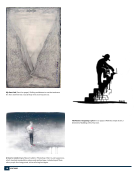
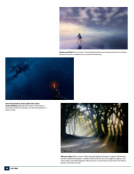
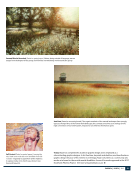
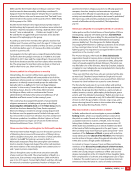
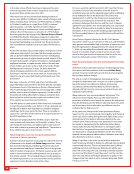
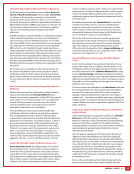
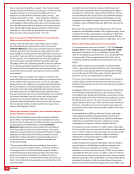
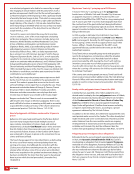
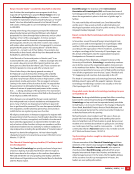
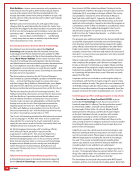
Following are Riaan’s works from his book The Abyss of
Power: Ex-Cult Art, published in Pretoria, South Africa,
2014. Works on the last page, as well as Afternoon Rays,
are not a part of the book.
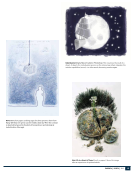
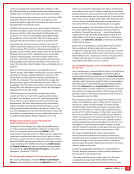
Who Am I? (Pastel on paper). Leaving the cult, I was faced
with an identity crisis. Every identity I tried to fashion for
myself seemed so vain and futile.
Visual Art
By Riaan Wilmans
Visual artist and graphic designer Riaan Wilmans is a second-
generation former member who was born into what he refers to as
“a high-control religious group, or cult” in South Africa in 1983. Writes
Riaan:
Being in a cultic setting as a child was great. Cult life was one
glorious and spirited congregational meeting after another as
we, the elect of God, were going to heaven!
I was a creative and artistic child. I learned to paint on my
own at home because we never made use of television or
any other media as a result of the group’s avoidance thereof,
and playing outside wasn’t always an option. The fact that we
had no exposure to mainstream media kept me ideologically
bound up in the group’s worldview, but it did also benefit me
in the sense that media consumption never had adequate
opportunity to stifle my creativity.
In my later high-school years, my family was relocated, for
the seventh time, in response to a prophetic message by the
group’s leader, to another one of the group’s communities—
the largest one in South Africa. Because of the community’s
size, there was less control over my thinking and increased
exposure to friends with belief systems other than ours.
This exposure caused me to question my group’s beliefs. I
expressed my doubts in my writing and drawings, which I
kept hidden from my peers. The only artwork I displayed were
peaceful landscapes, which communicated subservience and
compliance.
At school I was quiet and reserved, keeping to the group’s
belief that we, as the elect of God, were not to mingle with
idolatrous worldly people. After leaving school and still
heavily indoctrinated by the group’s dogma, I struggled to
integrate with “normal” society I returned to the group 4
years thereafter.
A year back in the cult, I was told by our spiritual youth
leader that making art was making me “full of myself, full
of pride,” and that God was going to rid me of my talent.
Although I initially resisted the leader, I eventually wound
up under his authority in a coercive mentorship, in which he
would wake me in the mornings by bashing on my door at
3:40AM for morning prayers, and would call me out in front of
congregational meetings to confess my faith. He mentored
me in other ways too: into the discipline of the group’s faith,
and in particular in the denial and ultimate death of the
natural, or so-called “old” self. For me, that meant the denial of
my artistic and creative personality.
My creativity dried up as I conformed to the group’s beliefs
at last: wearing the group’s clothing, speaking the group’s
language, and attending all the group’s meetings.
The final blow to my natural self came when I was denied
permission by the group’s leadership to pursue a romantic
relationship with a woman in another community of our
group. It was customary for leaders to pray on these matters
and get clarification from God regarding whether or not a
relationship is favorable. Because the relationship was not
deemed permissible, the only beacon of hope that I had in
reviving my natural, feeling self fell by the wayside.
Seeing my changed behavior, and that I obviously was
depressed, my parents, loving people in spite of their
affiliation with the group, strongly encouraged me to
talk to them about what was causing the depression.
I told them all, and we attempted to speak with the
group’s leader, only to have our concerns dismissed as
“childish matters.”
I left the group soon after, in 2007, at the age of 23,
when I saw that the group was not a place for me. My
sister followed after she completed her schooling, but
my parents remain in the group.
My recovery is an ongoing process. I combine creative
expression and community artwork, individual
counseling, a wide scope of reading, and making
friends with diverse outlooks on life. In so doing, I
am becoming a more integrated human being with
a worldcentric awareness, in transcendence of my
group’s ethnocentric boundaries.
When it comes to matters of ultimate truth, my current
opinion is that I stand alone before the Mystery, and
the interpretation is mine to make. Doing so is my
birthright taking that from me is a form of spiritual
abuse that would be detrimental to the growth and
development of my full human personality.
Following are Riaan’s works from his book The Abyss of
Power: Ex-Cult Art, published in Pretoria, South Africa,
2014. Works on the last page, as well as Afternoon Rays,
are not a part of the book.
Who Am I? (Pastel on paper). Leaving the cult, I was faced
with an identity crisis. Every identity I tried to fashion for
myself seemed so vain and futile.