Dear Friends,
Cult experiences are often devastating to the people who endure them, but it is also the
case that many people manage to find their way back to health and freedom once they are
free of their group. That is what unites the selections in this issue of ICSA Today, the hope for
recovery and the way forward once a member is out of the group.
In her brief recounting of her recruitment to, time in, and escape from Victor Paul Wierwille’s
Bible-based cult, The Way, Charlene Edge touches on several themes that will be familiar
to other former cult members: what made her vulnerable in the first place, the dynamics of
her involvement, and the disillusionment that led to her leaving the group after 17 years
and after she had risen to key positions in its leadership. Ms. Edge eloquently describes the
devastation she felt upon learning that her leader was not what he claimed to be, but she
ends with her postcult recovery and journey toward normalcy. Although her story is similar
to that of many former cult members, she is an accomplished writer who is able to express
the experience in a way that can be helpful to our understanding of it.
In like manner, Flávio Amaral describes his time in a New Age group as it slowly descended
into an increasingly cultlike dynamic. At first, he thought he was associating himself with
an organization that was interested in the scientific study of psychic phenomena, but the
bureaucratic demands of self-perpetuation began to affect the organization and cause
it to become more and more controlling of its members. The author makes a significant
contribution to the field of cultic studies by describing the process by which a group
becomes cultic.
Because cults manipulate people’s beliefs, people recovering from a cult experience often
find themselves asking, “How can I know what to believe?” ICSA Executive Director Michael
Langone explores this question by looking first at what (or whom) we accept as authority
he suggests that former members may want to “actively and vigorously question the residue
of authority that remains with them after they leave their group.” He goes on to lay out
a practical approach to this questioning, in which he explains some of the core aspects
of critical thinking, such as using logic to penetrate unfalsifiable systems, and empirically
testing hypotheses. This is an excellent short introduction to a topic of vital interest to former
cult members.
Another question both former members and students of cultic issues ask is “What is a cult?”
Michael Kropveld, Executive Director of Info-Cult/Info-Secte, in his article on the Canadian
organization’s history, offers valuable perspective on the use of the term cult and what it
does—and does not—signify. He explains why Info-Cult has taken a moderate approach to
this topic, and he challenges us all to thoughtfully reflect on our own motivations and ways
of perceiving.
Finally, no discussion of cult recovery would be complete without acknowledging the vital
role that artistic expression plays in the journey of many former members, exemplified in this
issue by Katharina Meredith. Enjoy!
Sincerely,
Doug Duncan, MS, LPC
About ICSA Today
ICSA Today (IT) serves ICSA members by
providing information that enhances
understanding of all aspects of the cult
phenomenon, including how groups
function, how they affect members,
techniques of influence, dealing with
harmful effects, educational and legal
implications, and other subjects.
ICSA Today issues may include
• practical articles for former
members, families, helping
professionals, researchers,
and others
• opinion essays
• theoretical articles
• reports on research
• summaries of news reports on
groups
• information on books, articles, links
• information on ICSA members
• biographical profiles on selected
members
• personal accounts
• art work
• poetry
• short stories and other literary
articles
• special reports from correspondents
around the world
ICSA Today is published three times a
year.
Regular ICSA members receive the print
edition of ICSA Today and have access
to its Web edition. Students and other
special members gain access to the
online edition only.
Nonmember print subscriptions are
available. Submissions to the magazine
should be sent to the Editor-in-Chief,
Michael Langone, PhD:
mail@icsamail.com
We prefer Microsoft Word or a program
compatible with Word. Articles should
be no more than 2,500 words. Please
include a jpeg photo (no less than 360
dpi) and biographical sketch (less than
150 words) with your submission.
Appropriate submissions are reviewed
by the relevant section editor and,
when appropriate, editorial review
advisors.
International Cultic Studies Association
P.O. Box 2265 • Bonita Springs, FL 34133
Phone: 239.514.3081
Email: mail@icsamail.com
Website: icsahome.com
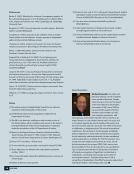
Doug Duncan, MS, LPC, is a licensed professional counselor in the Dallas,
Texas area. He was a member of a Bible-based cult, Trinity Foundation, from
the late 1970s until he finally broke free with the help of his wife and soul
mate, Wendy, in 2000. Wendy tells their story in her book, I Can’t Hear God
Anymore: Life in a Dallas Cult. Doug and Wendy now run a monthly support
group for former cult members and when Doug is not busy at his day job,
he sees former cult members for counseling. dallascult.com n
Cult experiences are often devastating to the people who endure them, but it is also the
case that many people manage to find their way back to health and freedom once they are
free of their group. That is what unites the selections in this issue of ICSA Today, the hope for
recovery and the way forward once a member is out of the group.
In her brief recounting of her recruitment to, time in, and escape from Victor Paul Wierwille’s
Bible-based cult, The Way, Charlene Edge touches on several themes that will be familiar
to other former cult members: what made her vulnerable in the first place, the dynamics of
her involvement, and the disillusionment that led to her leaving the group after 17 years
and after she had risen to key positions in its leadership. Ms. Edge eloquently describes the
devastation she felt upon learning that her leader was not what he claimed to be, but she
ends with her postcult recovery and journey toward normalcy. Although her story is similar
to that of many former cult members, she is an accomplished writer who is able to express
the experience in a way that can be helpful to our understanding of it.
In like manner, Flávio Amaral describes his time in a New Age group as it slowly descended
into an increasingly cultlike dynamic. At first, he thought he was associating himself with
an organization that was interested in the scientific study of psychic phenomena, but the
bureaucratic demands of self-perpetuation began to affect the organization and cause
it to become more and more controlling of its members. The author makes a significant
contribution to the field of cultic studies by describing the process by which a group
becomes cultic.
Because cults manipulate people’s beliefs, people recovering from a cult experience often
find themselves asking, “How can I know what to believe?” ICSA Executive Director Michael
Langone explores this question by looking first at what (or whom) we accept as authority
he suggests that former members may want to “actively and vigorously question the residue
of authority that remains with them after they leave their group.” He goes on to lay out
a practical approach to this questioning, in which he explains some of the core aspects
of critical thinking, such as using logic to penetrate unfalsifiable systems, and empirically
testing hypotheses. This is an excellent short introduction to a topic of vital interest to former
cult members.
Another question both former members and students of cultic issues ask is “What is a cult?”
Michael Kropveld, Executive Director of Info-Cult/Info-Secte, in his article on the Canadian
organization’s history, offers valuable perspective on the use of the term cult and what it
does—and does not—signify. He explains why Info-Cult has taken a moderate approach to
this topic, and he challenges us all to thoughtfully reflect on our own motivations and ways
of perceiving.
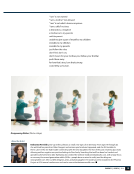
Finally, no discussion of cult recovery would be complete without acknowledging the vital
role that artistic expression plays in the journey of many former members, exemplified in this
issue by Katharina Meredith. Enjoy!
Sincerely,
Doug Duncan, MS, LPC
About ICSA Today
ICSA Today (IT) serves ICSA members by
providing information that enhances
understanding of all aspects of the cult
phenomenon, including how groups
function, how they affect members,
techniques of influence, dealing with
harmful effects, educational and legal
implications, and other subjects.
ICSA Today issues may include
• practical articles for former
members, families, helping
professionals, researchers,
and others
• opinion essays
• theoretical articles
• reports on research
• summaries of news reports on
groups
• information on books, articles, links
• information on ICSA members
• biographical profiles on selected
members
• personal accounts
• art work
• poetry
• short stories and other literary
articles
• special reports from correspondents
around the world
ICSA Today is published three times a
year.
Regular ICSA members receive the print
edition of ICSA Today and have access
to its Web edition. Students and other
special members gain access to the
online edition only.
Nonmember print subscriptions are
available. Submissions to the magazine
should be sent to the Editor-in-Chief,
Michael Langone, PhD:
mail@icsamail.com
We prefer Microsoft Word or a program
compatible with Word. Articles should
be no more than 2,500 words. Please
include a jpeg photo (no less than 360
dpi) and biographical sketch (less than
150 words) with your submission.
Appropriate submissions are reviewed
by the relevant section editor and,
when appropriate, editorial review
advisors.
International Cultic Studies Association
P.O. Box 2265 • Bonita Springs, FL 34133
Phone: 239.514.3081
Email: mail@icsamail.com
Website: icsahome.com
Doug Duncan, MS, LPC, is a licensed professional counselor in the Dallas,
Texas area. He was a member of a Bible-based cult, Trinity Foundation, from
the late 1970s until he finally broke free with the help of his wife and soul
mate, Wendy, in 2000. Wendy tells their story in her book, I Can’t Hear God
Anymore: Life in a Dallas Cult. Doug and Wendy now run a monthly support
group for former cult members and when Doug is not busy at his day job,
he sees former cult members for counseling. dallascult.com n