19 VOLUME 7 |ISSUE 2 |2016
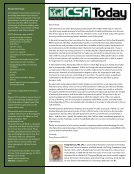
About the Author
Charlene L. Edge was a follower of
The Way International, founded by
Victor Paul Wierwille, and marketed
as a biblical research, teaching, and
fellowship ministry. It became one
of the largest cults in America with
about 40,000 followers. Her quest for
truth began in Salisbury, Maryland, her
hometown, when, feeling alienated
from the Catholic Church, she turned
to Protestant Evangelicalism. In college, she was drawn
into the fundamentalism of The Way. Post-Way, she earned
a bachelor’s degree in English from Rollins College and for
years worked in the software industry. She is a poet and
fiction writer. Her essay covering a bit of her Way experience
was published in Shifting Gears: Small Startling Moments In
and Out of the Classroom, Red Pepper Press. 2004. Her book,
Undertow: My Escape from the Fundamentalism and Cult
Control of The Way International, is near publication. She is a
member of ICSA.
crledge@earthlink.net, charleneedge.com n
not really armor, such as soldiers wear, but instead it “had to
be” athletic gear. Why? Because Wierwille said Christians were
athletes of the spirit, not soldiers for the Lord. But about this
context of Ephesians he was wrong. The Greek word for armor
really means armor. It could not be ignored. But because
Wierwille insisted that Christians were athletes, not soldiers,
he insisted on changing the text. He “spiritually knew” he was
right.
I could not veer away from the fact that he was making this
up. He would not acknowledge what the text actually said. I
was more than baffled. I felt as if the ground broke open and a
sinkhole was swallowing me. I was falling like a loose pebble.
All those years, about fifteen, I had not been promoting God’s
Word after all. I had been propagating Wierwille’s twisted
interpretations.
What would I do now? I was devastated and alarmed. I had
been deceived. The feeling was like that of a wife upon
discovering that her husband has been cheating on her—a
swirling mix of hurt, confusion, anger, and disorientation. I
broke down crying, I lost sleep, I feared I could not get my
emotional balance as wave after wave of realizations hit me.
Wierwille was not “our father in The Word.” He was the emperor
with no clothes.
Wierwille’s Death
Wierwille died in May 1985 while I was on the Biblical Research
Team. Secretly I was glad he was dead he could no longer hurt
or confuse anyone with his twisted teachings in the service of
inerrancy and himself, but soon I was shattered again when
a Biblical Research coworker was mysteriously banished. Our
leaders were fighting for power paranoia reigned. Murmurs
of sexual abuse by leaders, weapons caches, and financial
indiscretion spread. Grasping for sanity, I resigned my Biblical
Research job, was reassigned to another department, and
enrolled in a nearby college, despite veiled threats from former
friends who feared I’d blow the whistle.
My Escape
My then-husband, our daughter, and I managed to escape
before I was unmasked as a traitor. One August morning in
1987, we fled headquarters before anyone discovered we’d
turned our backs on the ministry. We had planned this quietly,
not wanting to rouse the leaders into escorting us off the
property under armed guard, as they had done with someone
else who had confronted their evil doings—such as when they
were conducting a secret sex ring of adultery that Wierwille
had initiated. I did not want to run around the 147-acre
headquarters to persuade people to leave with me. The friends
I had tried to talk with about research errors would not listen.
Today, some of my former friends remain in the organization,
others formed off-shoot ministries, and others, like me,
consider Wierwille to have been an arrogant fraud, and we’ve
rejected him and his teachings altogether.
My Recovery
His Holiness the Dali Lama says your religion should make you
a better person. Although some good came of my association
with The Way, its fundamentalist beliefs were not making me
a better person. They stifled my freedom to think and speak.
They usurped my creativity and funneled it into The Way’s
propaganda machine. They made me afraid of life because
they taught that the Devil was always after me.
When I gave up The Way’s teachings, I felt sure I was on the
right track, but I was confused about God’s place in my life.
My beliefs had been hammered by a switch in realities: from
thinking God wanted me in The Way, to then having to reject
it. I was lonely and confused, struggling to do what I thought
was good for me. I was also terrified, not because I thought the
Devil would ruin me for leaving The Way, but because I feared
the larger world where I would have to live and make sound
decisions without the concept of a God who planned my life. I
leapt off a cliff, hoping for solid ground.
Gradually I healed from having lost hundreds of friends and
the certainty about God’s will I had felt for so long. I grew
more comfortable with the uncertainty of life. I finished my
formal education and developed new loving friendships.
Literature and philosophy helped me discern propaganda and
find my own voice. Over time I gained understanding about
fundamentalism and the cult phenomenon I had experienced.
Mindfulness, a Buddhist practice, keeps me grounded and
grateful to share my story. n
Reference
Whiteside, Elena S. (1972). The Way: Living in love. New
Knoxville, OH: American Christian Press.
About the Author
Charlene L. Edge was a follower of
The Way International, founded by
Victor Paul Wierwille, and marketed
as a biblical research, teaching, and
fellowship ministry. It became one
of the largest cults in America with
about 40,000 followers. Her quest for
truth began in Salisbury, Maryland, her
hometown, when, feeling alienated
from the Catholic Church, she turned
to Protestant Evangelicalism. In college, she was drawn
into the fundamentalism of The Way. Post-Way, she earned
a bachelor’s degree in English from Rollins College and for
years worked in the software industry. She is a poet and
fiction writer. Her essay covering a bit of her Way experience
was published in Shifting Gears: Small Startling Moments In
and Out of the Classroom, Red Pepper Press. 2004. Her book,
Undertow: My Escape from the Fundamentalism and Cult
Control of The Way International, is near publication. She is a
member of ICSA.
crledge@earthlink.net, charleneedge.com n
not really armor, such as soldiers wear, but instead it “had to
be” athletic gear. Why? Because Wierwille said Christians were
athletes of the spirit, not soldiers for the Lord. But about this
context of Ephesians he was wrong. The Greek word for armor
really means armor. It could not be ignored. But because
Wierwille insisted that Christians were athletes, not soldiers,
he insisted on changing the text. He “spiritually knew” he was
right.
I could not veer away from the fact that he was making this
up. He would not acknowledge what the text actually said. I
was more than baffled. I felt as if the ground broke open and a
sinkhole was swallowing me. I was falling like a loose pebble.
All those years, about fifteen, I had not been promoting God’s
Word after all. I had been propagating Wierwille’s twisted
interpretations.
What would I do now? I was devastated and alarmed. I had
been deceived. The feeling was like that of a wife upon
discovering that her husband has been cheating on her—a
swirling mix of hurt, confusion, anger, and disorientation. I
broke down crying, I lost sleep, I feared I could not get my
emotional balance as wave after wave of realizations hit me.
Wierwille was not “our father in The Word.” He was the emperor
with no clothes.
Wierwille’s Death
Wierwille died in May 1985 while I was on the Biblical Research
Team. Secretly I was glad he was dead he could no longer hurt
or confuse anyone with his twisted teachings in the service of
inerrancy and himself, but soon I was shattered again when
a Biblical Research coworker was mysteriously banished. Our
leaders were fighting for power paranoia reigned. Murmurs
of sexual abuse by leaders, weapons caches, and financial
indiscretion spread. Grasping for sanity, I resigned my Biblical
Research job, was reassigned to another department, and
enrolled in a nearby college, despite veiled threats from former
friends who feared I’d blow the whistle.
My Escape
My then-husband, our daughter, and I managed to escape
before I was unmasked as a traitor. One August morning in
1987, we fled headquarters before anyone discovered we’d
turned our backs on the ministry. We had planned this quietly,
not wanting to rouse the leaders into escorting us off the
property under armed guard, as they had done with someone
else who had confronted their evil doings—such as when they
were conducting a secret sex ring of adultery that Wierwille
had initiated. I did not want to run around the 147-acre
headquarters to persuade people to leave with me. The friends
I had tried to talk with about research errors would not listen.
Today, some of my former friends remain in the organization,
others formed off-shoot ministries, and others, like me,
consider Wierwille to have been an arrogant fraud, and we’ve
rejected him and his teachings altogether.
My Recovery
His Holiness the Dali Lama says your religion should make you
a better person. Although some good came of my association
with The Way, its fundamentalist beliefs were not making me
a better person. They stifled my freedom to think and speak.
They usurped my creativity and funneled it into The Way’s
propaganda machine. They made me afraid of life because
they taught that the Devil was always after me.
When I gave up The Way’s teachings, I felt sure I was on the
right track, but I was confused about God’s place in my life.
My beliefs had been hammered by a switch in realities: from
thinking God wanted me in The Way, to then having to reject
it. I was lonely and confused, struggling to do what I thought
was good for me. I was also terrified, not because I thought the
Devil would ruin me for leaving The Way, but because I feared
the larger world where I would have to live and make sound
decisions without the concept of a God who planned my life. I
leapt off a cliff, hoping for solid ground.
Gradually I healed from having lost hundreds of friends and
the certainty about God’s will I had felt for so long. I grew
more comfortable with the uncertainty of life. I finished my
formal education and developed new loving friendships.
Literature and philosophy helped me discern propaganda and
find my own voice. Over time I gained understanding about
fundamentalism and the cult phenomenon I had experienced.
Mindfulness, a Buddhist practice, keeps me grounded and
grateful to share my story. n
Reference
Whiteside, Elena S. (1972). The Way: Living in love. New
Knoxville, OH: American Christian Press.