Cultic Studies Journal, Vol. 5, No. 1 1988 Page 91
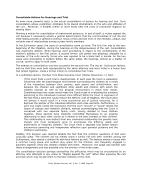
Consolidate Actions for Hearings and Trial
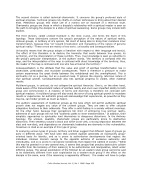
An even more powerful tactic is the actual consolidation of actions for hearing and trial. Such
consolidation allows evidentiary emphasis to be placed dramatically on the acts and attitudes of
the cult. Moreover, it enables clients to more easily bear the costs of protracted litigation by
sharing them.
Winning a motion for consolidation of matrimonial actions is, in and of itself, a victory against the
cult because it necessarily entails a judicial determination that the commonalities of cult life and
child-raising provide a sufficient common nexus of fact and law even in the intimate, unique, and
variable area of relationships among nuclear family members.
In the Sullivanian cases, the issue of consolidation came up twice. The first firm was at the very
beginning of the litigation, during the hearings on the dangerousness of the cult. Consolidation
was essentially defacto. While hearings were proceeding in regard to the confidentiality of the
mother's address in the first action, a second former cult parent was attacked, allegedly by a
member of the cults security forces who was reputed to be a black belt in karate. As the two
cases were proceeding in tandem before the same judge, the hearings, almost as a matter of
course, came to apply to both cases.
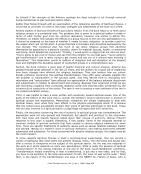
The attempt at consolidation was less successful the second time. The two ex- Sullivanian fathers,
who by that time were both represented by the same attorney and were living in a house they
had rented together, made a formal motion to consolidate their trials.
In a published opinion, the New York State Supreme Court (Walter Shackman, J.) held:
[T]he Court finds a joint trial is inappropriate. In each case the Court is separately
concerned with the psychological environment surrounding the children as a result
of the interaction between their parents, each parent and child/children, and
between the children and significant other adults and children with whom the
children interact as well as the physical environment in which they reside.
Combining these two cases would make the Court's task of evaluating the evidence
pertaining to the individuals involved more difficult While the Court is cognizant of
the fact that a joint trial would reduce the fathers' cost of litigation, the Court does
not believe it would result in a more economical use of judicial resources, for it
deprives the parties of the individual attention each case warrants. Furthermore, a
joint trial might create the impression that the court ―should‖ or ―would‖ decide the
issues of custody and visitation similarly, without acknowledging that the Court is
concerned with two separate family units. Having decided to have children
together, these parents have implicitly committed themselves to an ongoing
relationship to each other insofar as it relates to the best interests of their children.
This relationship is now distinct from any communal relationship the parents once
shared, and must necessarily grow to encompass the differing needs and
preferences of maturing children. The Court finds a separate trial better fosters
autonomous parenting and independent reflection upon parental guidance and the
children's well-being.
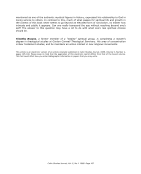
Notably, this decision was reached despite the fact that the common questions of fact were
unusually great. The children did not merely share a similar life with their mothers among the
Sullivanians they shared a similar life with their fathers as well. The fathers shared a house with
a common living space and outdoor play space for the children, and frequently engaged in
activities together when the children resided with them. Moreover, the judge was familiar with
these arrangements and had presided over the entirety of the three cases.
The consolidation decision perhaps exemplifies the difficulties which may be encountered by an
attorney who attempts in any sense to ―litigate against the cult‖ rather than exposing the cult
activities which may be detriment to the best interests of the child.
Consolidate Actions for Hearings and Trial
An even more powerful tactic is the actual consolidation of actions for hearing and trial. Such
consolidation allows evidentiary emphasis to be placed dramatically on the acts and attitudes of
the cult. Moreover, it enables clients to more easily bear the costs of protracted litigation by
sharing them.
Winning a motion for consolidation of matrimonial actions is, in and of itself, a victory against the
cult because it necessarily entails a judicial determination that the commonalities of cult life and
child-raising provide a sufficient common nexus of fact and law even in the intimate, unique, and
variable area of relationships among nuclear family members.
In the Sullivanian cases, the issue of consolidation came up twice. The first firm was at the very
beginning of the litigation, during the hearings on the dangerousness of the cult. Consolidation
was essentially defacto. While hearings were proceeding in regard to the confidentiality of the
mother's address in the first action, a second former cult parent was attacked, allegedly by a
member of the cults security forces who was reputed to be a black belt in karate. As the two
cases were proceeding in tandem before the same judge, the hearings, almost as a matter of
course, came to apply to both cases.
The attempt at consolidation was less successful the second time. The two ex- Sullivanian fathers,
who by that time were both represented by the same attorney and were living in a house they
had rented together, made a formal motion to consolidate their trials.
In a published opinion, the New York State Supreme Court (Walter Shackman, J.) held:
[T]he Court finds a joint trial is inappropriate. In each case the Court is separately
concerned with the psychological environment surrounding the children as a result
of the interaction between their parents, each parent and child/children, and
between the children and significant other adults and children with whom the
children interact as well as the physical environment in which they reside.
Combining these two cases would make the Court's task of evaluating the evidence
pertaining to the individuals involved more difficult While the Court is cognizant of
the fact that a joint trial would reduce the fathers' cost of litigation, the Court does
not believe it would result in a more economical use of judicial resources, for it
deprives the parties of the individual attention each case warrants. Furthermore, a
joint trial might create the impression that the court ―should‖ or ―would‖ decide the
issues of custody and visitation similarly, without acknowledging that the Court is
concerned with two separate family units. Having decided to have children
together, these parents have implicitly committed themselves to an ongoing
relationship to each other insofar as it relates to the best interests of their children.
This relationship is now distinct from any communal relationship the parents once
shared, and must necessarily grow to encompass the differing needs and
preferences of maturing children. The Court finds a separate trial better fosters
autonomous parenting and independent reflection upon parental guidance and the
children's well-being.
Notably, this decision was reached despite the fact that the common questions of fact were
unusually great. The children did not merely share a similar life with their mothers among the
Sullivanians they shared a similar life with their fathers as well. The fathers shared a house with
a common living space and outdoor play space for the children, and frequently engaged in
activities together when the children resided with them. Moreover, the judge was familiar with
these arrangements and had presided over the entirety of the three cases.
The consolidation decision perhaps exemplifies the difficulties which may be encountered by an
attorney who attempts in any sense to ―litigate against the cult‖ rather than exposing the cult
activities which may be detriment to the best interests of the child.