Cultic Studies Journal, Vol. 5, No. 1 1988 Page 90
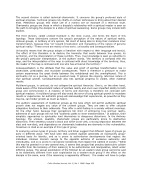
Keep Multiple Cases Before the Same Judge
Few things can be more advantageous in cult-related custody litigation than to keep several cases
involving the same cult before the same judge.
First, the repetition and expansion of contextual information which can thus be provided to the
court makes a strong evidentiary statement on the quality and nature of a child's life in a cult.
Besides, cults are exposed when the same patterns of oddities and abuse in child-raising matters
and husband-wife relations occur again and again in multiple cases. From an evidentiary
perspective, trying multiple cult cases before the same judge permits evidence on the often
bizarre similarities in the lives of different cult children -revealing and proving as cult pattern and
practice what might otherwise appear to be vagaries and idiosyncrasies of parental personalities.
When various cult cases are assigned to a single judge, the court can gain a thorough
understanding of the manipulations of the cult leadership which may be impossible to perceive by
viewing any single case in isolation.
Second, assignment to the same judge makes possible cooperation and collaboration among the
various non-cult parents and their attorneys. Working through such a ―quasi-class action‖
structure allows non-cult parties to meet the power of the cult with their own power. All
attorneys, and sometimes all parties, may attend judicial conferences. It enables non-cult parties
to combine financial resources against the vastly greater financial power of the cult by sharing the
costs of trial preparation, expert witness fees, and clerical costs. Use of the same judge, in
addition, allows an intimate support network to form among the non-cult parties, which is
essential to maintaining stamina, spirits, and morale in the face of cult forces' continuing
psychological influence. Ex-cult members leave behind both an authoritarian structure, which has
dictated their Lifestyles and decisions and all the friendships and emotional attachments they
have known for years. They re-enter a world which is strange, threatening, lonely, and confusing
without the supportive reintegrative network of other former cult members.
The assignment of three Sullivanian custody cases to the same judge proved to be a markedly
effective tool. Fortunately, only a month before the commencement of the Sullivanian cases, a
massive reorganization of litigation management took place in the New York State judicial
system. Under the new organization, known as the LAS (Individual Assignment System), each
case is assigned at the outset to one particular judge who thereafter hears all motions, matters,
and evidentiary hearings, and conducts all conferences related to the case.
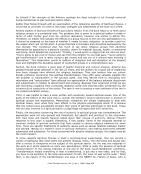
Initially, cases are randomly assigned to judges by computer. However, by attorney request or
administrative decision, cases may be assigned to a particular judge before whom other related
matters are pending. When rust requesting judicial attention, an attorney is required to indicate
such other, related pending cases.
The first two Sullivanian cases were assigned to the same judge without objection from the
Sullivanians. Although the actions were not formally consolidated, the cases were combined for
the purposes of the evidentiary hearings, and most judicial conferences were also informally
combined.
When the third ex-Sullivanian parent requested assignment to the same judge, the issue was
body although belatedly litigated by counsel for the Sullivanian parent. The independent parents
won a substantial victory when the administrative law judge ruled that all Sullivanian cases were
to be handled by the same judge. Finding such assignment to be of the very essence of the IAS
system, the administrative judge stated that a major benefit of the IAS is the ability to eliminate
duplication and waste of judicial resources by assigning cases arising from the same subject
matter to the same judge. He found a sufficient legal and factual nexus among the cases to
warrant assigning the Sullivanian custody cases to the same judge.
Keep Multiple Cases Before the Same Judge
Few things can be more advantageous in cult-related custody litigation than to keep several cases
involving the same cult before the same judge.
First, the repetition and expansion of contextual information which can thus be provided to the
court makes a strong evidentiary statement on the quality and nature of a child's life in a cult.
Besides, cults are exposed when the same patterns of oddities and abuse in child-raising matters
and husband-wife relations occur again and again in multiple cases. From an evidentiary
perspective, trying multiple cult cases before the same judge permits evidence on the often
bizarre similarities in the lives of different cult children -revealing and proving as cult pattern and
practice what might otherwise appear to be vagaries and idiosyncrasies of parental personalities.
When various cult cases are assigned to a single judge, the court can gain a thorough
understanding of the manipulations of the cult leadership which may be impossible to perceive by
viewing any single case in isolation.
Second, assignment to the same judge makes possible cooperation and collaboration among the
various non-cult parents and their attorneys. Working through such a ―quasi-class action‖
structure allows non-cult parties to meet the power of the cult with their own power. All
attorneys, and sometimes all parties, may attend judicial conferences. It enables non-cult parties
to combine financial resources against the vastly greater financial power of the cult by sharing the
costs of trial preparation, expert witness fees, and clerical costs. Use of the same judge, in
addition, allows an intimate support network to form among the non-cult parties, which is
essential to maintaining stamina, spirits, and morale in the face of cult forces' continuing
psychological influence. Ex-cult members leave behind both an authoritarian structure, which has
dictated their Lifestyles and decisions and all the friendships and emotional attachments they
have known for years. They re-enter a world which is strange, threatening, lonely, and confusing
without the supportive reintegrative network of other former cult members.
The assignment of three Sullivanian custody cases to the same judge proved to be a markedly
effective tool. Fortunately, only a month before the commencement of the Sullivanian cases, a
massive reorganization of litigation management took place in the New York State judicial
system. Under the new organization, known as the LAS (Individual Assignment System), each
case is assigned at the outset to one particular judge who thereafter hears all motions, matters,
and evidentiary hearings, and conducts all conferences related to the case.
Initially, cases are randomly assigned to judges by computer. However, by attorney request or
administrative decision, cases may be assigned to a particular judge before whom other related
matters are pending. When rust requesting judicial attention, an attorney is required to indicate
such other, related pending cases.
The first two Sullivanian cases were assigned to the same judge without objection from the
Sullivanians. Although the actions were not formally consolidated, the cases were combined for
the purposes of the evidentiary hearings, and most judicial conferences were also informally
combined.
When the third ex-Sullivanian parent requested assignment to the same judge, the issue was
body although belatedly litigated by counsel for the Sullivanian parent. The independent parents
won a substantial victory when the administrative law judge ruled that all Sullivanian cases were
to be handled by the same judge. Finding such assignment to be of the very essence of the IAS
system, the administrative judge stated that a major benefit of the IAS is the ability to eliminate
duplication and waste of judicial resources by assigning cases arising from the same subject
matter to the same judge. He found a sufficient legal and factual nexus among the cases to
warrant assigning the Sullivanian custody cases to the same judge.