Cultic Studies Journal, Vol. 5, No. 1 1988 Page 85
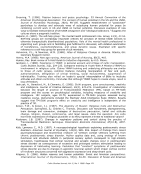
I can't be around other Christians very easily. And I cannot walk into some church
and sit there and listen to some man tell me anything. And I do not trust Christian
men for the most part, who are in positions of authority. And I'm no fool, in a way -
I mean something tells me there are kind and benevolent men who are in those
positions, but I still have this strange feeling that ―Why would God not let me find
them, particularly when I wanted to so badly?‖ And so I could only conclude that it
was probably some flaw in me that made Him deprive me of that.
***
[Ruth] Right after the excommunication I was very emotional. AU my friends were
in the group. I was a freshman when I went in. I was even more [emotional] when
I was being told by people that I had looked up to... that I was in awful sin ...
Lately, it fluctuates. Sometimes it‘s still emotional and sometimes it still hurts
other times I'm just angry with them because I feel like there are things that I can't
do. I feel like I always have to watch my step -I feel like there is somebody
watching -paranoia. Even at times there is dislike of even seeing them just
because of the feelings there -it hurts. Now a lot it‘s more indifference. It matters
but it doesn't really matter. They are very subjective and I feel that they are going
to say what they will about me anyway.
I have this great fear -there is always uncertainty of where I'm standing with
them. I would label it as fear of what they would have to say. To my knowledge
they haven't brought in my personal life -problem areas in my life before [I joined
the group] but some people [still in the group] knew them very intimately. I am
afraid that they will. TVs almost like a fear of blackmail that they will bring those
into the ballgame. It's a fear of the added pressure. I feel like I was used while I
was in the group and now that I'm out I feel like I'm still being watched. I don't
know if it‘s my own paranoia or not. I don't know if I'll ever know. I do know that I
want to get out of [this city).
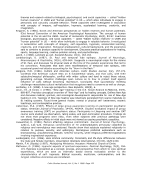
References
Dentler, R.A., and Erikson, K.T. (1959). The functions of deviance in groups. Social Problems, 7,
98-107.
Durkheini, E. (1895). The normal and the pathological. In R.A. Farrell and V.L. Swigert (Eds.),
Social deviance. Belmont, CA: Wadworth Publishing Co. 1988.
Festinger, L. (1957). A theory of cognitive dissonance. Stanford, CA: Stanford University Press.
Garfinkel, H. (1956). Conditions of successful degradation ceremonies. American Journal of
Sociology, 61, 420-424.
Gusfield, J. (1967). Moral passage: Tle symbolic process in public designations of deviance.
SocialProbleim, 15, 175-188.
Hilgartner, S., Bell, R.C., and O'Connor, R. (1983). Nukespeak-. Middlesex, England. Penguin
Books.
Janis, I. (1972). GroupThink. Boston: Houghton Mifflin.
Kanter, R.M. (1977). Men and women of the corporation. New York: Basic Books.
Kiesler, C.A., and Kiesler, S.B. (1967). Conformity. Reading, MA: Addison- Wesley Publishing Co.
Kipnis, D. (1976). The Powerholders. Chicago, IL: The University of Chicago Press.
Lauderdale, P. (1976). Deviance and moral boundaries. American Sociological Review, 41, 660-
676.
Lemert, E.M. (1962). Paranoia and the dynamics of exclusion. Sociometry, 25, 22-20.
Livingstone, M. (1955). News and notes. Science, 121 (3152), May 27, 756.
I can't be around other Christians very easily. And I cannot walk into some church
and sit there and listen to some man tell me anything. And I do not trust Christian
men for the most part, who are in positions of authority. And I'm no fool, in a way -
I mean something tells me there are kind and benevolent men who are in those
positions, but I still have this strange feeling that ―Why would God not let me find
them, particularly when I wanted to so badly?‖ And so I could only conclude that it
was probably some flaw in me that made Him deprive me of that.
***
[Ruth] Right after the excommunication I was very emotional. AU my friends were
in the group. I was a freshman when I went in. I was even more [emotional] when
I was being told by people that I had looked up to... that I was in awful sin ...
Lately, it fluctuates. Sometimes it‘s still emotional and sometimes it still hurts
other times I'm just angry with them because I feel like there are things that I can't
do. I feel like I always have to watch my step -I feel like there is somebody
watching -paranoia. Even at times there is dislike of even seeing them just
because of the feelings there -it hurts. Now a lot it‘s more indifference. It matters
but it doesn't really matter. They are very subjective and I feel that they are going
to say what they will about me anyway.
I have this great fear -there is always uncertainty of where I'm standing with
them. I would label it as fear of what they would have to say. To my knowledge
they haven't brought in my personal life -problem areas in my life before [I joined
the group] but some people [still in the group] knew them very intimately. I am
afraid that they will. TVs almost like a fear of blackmail that they will bring those
into the ballgame. It's a fear of the added pressure. I feel like I was used while I
was in the group and now that I'm out I feel like I'm still being watched. I don't
know if it‘s my own paranoia or not. I don't know if I'll ever know. I do know that I
want to get out of [this city).
References
Dentler, R.A., and Erikson, K.T. (1959). The functions of deviance in groups. Social Problems, 7,
98-107.
Durkheini, E. (1895). The normal and the pathological. In R.A. Farrell and V.L. Swigert (Eds.),
Social deviance. Belmont, CA: Wadworth Publishing Co. 1988.
Festinger, L. (1957). A theory of cognitive dissonance. Stanford, CA: Stanford University Press.
Garfinkel, H. (1956). Conditions of successful degradation ceremonies. American Journal of
Sociology, 61, 420-424.
Gusfield, J. (1967). Moral passage: Tle symbolic process in public designations of deviance.
SocialProbleim, 15, 175-188.
Hilgartner, S., Bell, R.C., and O'Connor, R. (1983). Nukespeak-. Middlesex, England. Penguin
Books.
Janis, I. (1972). GroupThink. Boston: Houghton Mifflin.
Kanter, R.M. (1977). Men and women of the corporation. New York: Basic Books.
Kiesler, C.A., and Kiesler, S.B. (1967). Conformity. Reading, MA: Addison- Wesley Publishing Co.
Kipnis, D. (1976). The Powerholders. Chicago, IL: The University of Chicago Press.
Lauderdale, P. (1976). Deviance and moral boundaries. American Sociological Review, 41, 660-
676.
Lemert, E.M. (1962). Paranoia and the dynamics of exclusion. Sociometry, 25, 22-20.
Livingstone, M. (1955). News and notes. Science, 121 (3152), May 27, 756.