Cultic Studies Journal, Vol. 5, No. 1 1988 Page 7
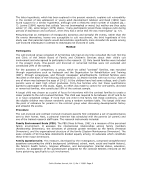
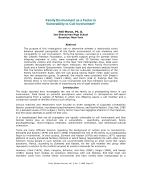
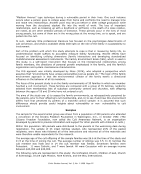
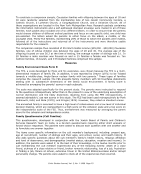
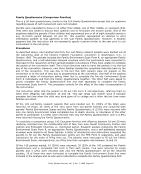
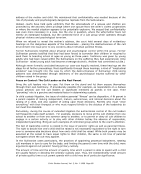
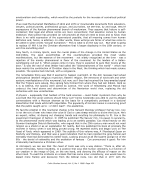
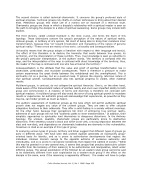
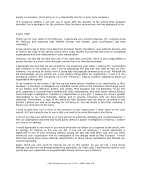
the child might differ from parental reports, previous research has indicated that parents, as
knowledgeable informants, are reliable and valid sources of information about their children
(Moskowitz &Schwarz, 1982 Schwarz, Barton-Henry, &Pruzinsky, 1985). The parents who
participated in the present study are representative of a group that views cult involvement as a
problem requiring professional intervention and is willing to participate in the research project.
The cult-involved sample, then, represents a self-selected subsample of the total number of
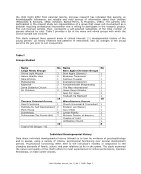
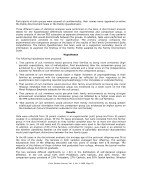
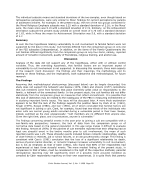
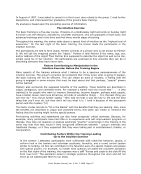
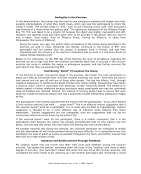
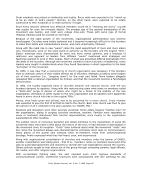
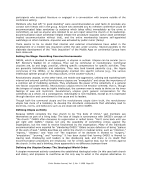
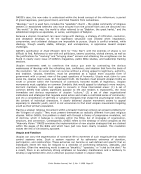
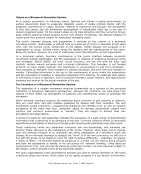
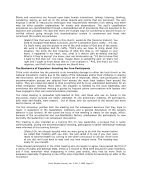
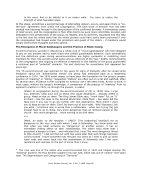
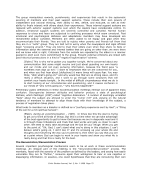
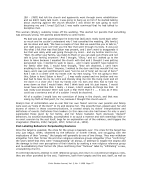
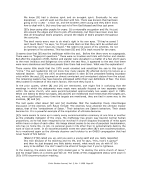
parents affected by cults. Table I provides a list of the many and varied groups with which the
clinical sample was involved.
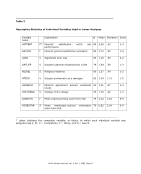
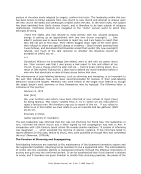
This study explored three general areas of clinical interest: (1) developmental history of the
young person (2) family relations and patterns of interaction and (3) changes in the young
person's life just prior to cult involvement.
_______________________________________________________________________
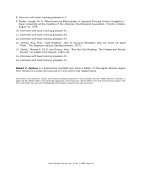
Table I
Groups Studied
Name No Name No
Large Hindu Groups Born Again Christian Groups
Divine Light Mission 3 Born Again (Generic) 1
Happy Healthy Holy 2 Brahman Tabernacle 1
Hare Krishna 1 Campus Crusade 1
Muktananda 3 Evangelical (Generic) 1
Rajneesh 2 Fundamentalist Shepherding 1
Saiva Siddanta Church 1 The Way international 1
Sri Chinmoy 2 Upper Room Ministry 1
Jews For Jesus 2
Yeshuah Ha Mashiach 1
14 10
Therapy Oriented Groups Miscellaneous Groups
Direct Centering 1 Church Universal &Triumphant 1
Institute for Self Development 2 Frederic von Mierers 1
More House 1 Guru Hilda 1
Scientology 4 Lyman Family 1
Sullivanians-The Fourth Wall 2 Nichiren Shoshu of America 2
Theatre of Light 1
Unification Church 1
10 8
Total of All Groups -42
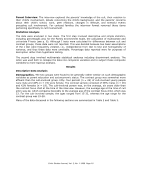
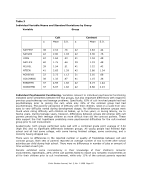
Individual Developmental History
Data about individual developmental history allowed us to look for evidence of psychopathology
and to assess, using a variety of criteria, psychosocial functioning over several development
periods. Psychosocial functioning refers here to the individual's mastery or adaptation to the
changing demands of family, school, and peer relations as he or she grows. The study examined
the nature and quality of the child‘s efforts to meet expectations for school performance, maintain
friendships, or make career choices.
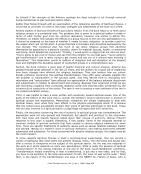
the child might differ from parental reports, previous research has indicated that parents, as
knowledgeable informants, are reliable and valid sources of information about their children
(Moskowitz &Schwarz, 1982 Schwarz, Barton-Henry, &Pruzinsky, 1985). The parents who
participated in the present study are representative of a group that views cult involvement as a
problem requiring professional intervention and is willing to participate in the research project.
The cult-involved sample, then, represents a self-selected subsample of the total number of
parents affected by cults. Table I provides a list of the many and varied groups with which the
clinical sample was involved.
This study explored three general areas of clinical interest: (1) developmental history of the
young person (2) family relations and patterns of interaction and (3) changes in the young
person's life just prior to cult involvement.
_______________________________________________________________________
Table I
Groups Studied
Name No Name No
Large Hindu Groups Born Again Christian Groups
Divine Light Mission 3 Born Again (Generic) 1
Happy Healthy Holy 2 Brahman Tabernacle 1
Hare Krishna 1 Campus Crusade 1
Muktananda 3 Evangelical (Generic) 1
Rajneesh 2 Fundamentalist Shepherding 1
Saiva Siddanta Church 1 The Way international 1
Sri Chinmoy 2 Upper Room Ministry 1
Jews For Jesus 2
Yeshuah Ha Mashiach 1
14 10
Therapy Oriented Groups Miscellaneous Groups
Direct Centering 1 Church Universal &Triumphant 1
Institute for Self Development 2 Frederic von Mierers 1
More House 1 Guru Hilda 1
Scientology 4 Lyman Family 1
Sullivanians-The Fourth Wall 2 Nichiren Shoshu of America 2
Theatre of Light 1
Unification Church 1
10 8
Total of All Groups -42
Individual Developmental History
Data about individual developmental history allowed us to look for evidence of psychopathology
and to assess, using a variety of criteria, psychosocial functioning over several development
periods. Psychosocial functioning refers here to the individual's mastery or adaptation to the
changing demands of family, school, and peer relations as he or she grows. The study examined
the nature and quality of the child‘s efforts to meet expectations for school performance, maintain
friendships, or make career choices.