Cultic Studies Journal, Vol. 5, No. 1 1988 Page 29
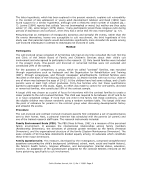
The individual subscale means and standard deviations of the two samples, even though based on
retrospective perceptions, were very similar to Moos' findings for current perceptions by parents
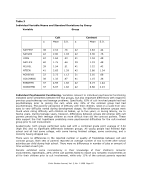
of adolescent children. For example, in the present study, the mm of the two groups combined for
the Moral Religious Emphasis subscale was 5.25 with a standard deviation of 2.16 in the Moos'
work, the mean score was 5.19 with a standard deviation of 2.19. Similarly, on the Achievement
Orientation subscale the present study yielded an overall mean of 5.76 with a standard deviation
of 1.62, while in Moos the mean for Achievement Orientation was 5.6, with a standard deviation
of 1.7.
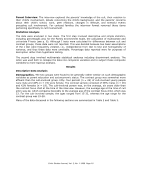
Summary
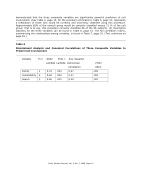
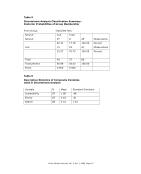
In sum the five hypotheses relating vulnerability to cult involvement to familial factors were not
supported by the data in this study. Cult families differed from the comparison group on only one
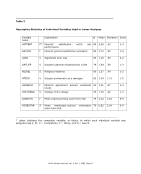
of ten FES subscales (Independence). In addition, on the items of the Family Questionnaire the
cult families differed significantly from the comparison group on only four items, namely, reported
amount of romantic involvement, quality of friendships, religious training, and alcohol use.
Discussion
Analysis of the data did not support any of the hypotheses, either with or without control
variables. Thus, the overriding hypothesis, that familial factors are an important aspect of
vulnerability to cult involvement is not supported. In discussing this research, three main aspects
of the research merit discussion: the findings and their meanings, the methodology and its
bearing on these findings, and the implications, both substantive and methodological, for future
research.
The Findings
Assuming that methodological shortcomings (discussed below) can be largely discounted, this
study does not support the Schwartz and Kaslow (1979, 1982) and Vickers (1977) contentions
that cult members come from families that place extremely great value on responsibility to the
family, a hallmark of the enmeshed family. In the present study, the cult families did not differ
statistically from the comparison group on measures that reflect enmeshment. It is possible that
this lack of distinction may be related to the inadequacy of the FES in measuring enmeshment or
in studying important family issues. This issue will be discussed later. A more likely explanation
appears to be that the lack of the findings supports the position taken by Clark et al. (1981),
Singer (1979), Swope (1980), and Carr (1981), all of whom concluded that familial factors are
not significant in joining a cult. Clark, for example, found that two-thirds of the individuals who
enter cults are normal young adults recruited during a vulnerable period in their lives. Swope,
indeed, summed up his view unequivocally: ―Cult members are no different from anyone else.
Given the right time, place, and circumstances, anyone is vulnerable.‖
The findings concerning stressful events in the year prior to joining a cult are compatible with a
non-family-role perspective however, the lack of data from the comparison group or of
normative data based on the general population in this age range makes it difficult to evaluate
this finding. Almost all (95%) of the parents of cult members reported that their offspring had at
least one stressful event in the twelve months prior to cult involvement the mean of such
reported events was 1.25. These stressful events included broken romantic relationships, deaths
of close friends or relatives, job or school failures, or an abrupt personality change. This finding is
consistent with Cary's (1981) conclusion that the loss of a significant relationship by death,
serious physical-mental disorder, or romantic breakup increases vulnerability to cult involvement,
but is not as emphatic as that of Eden (1981), who found that 88% of her respondents had
experienced at least three stressful events. The more modest finding of the present study, in
comparison to that of Eden, must be considered in the light of the respective methods parental
retrospective reporting may fall significantly short of a possibly more accurate incidence as
compiled by Eden respondents reporting on their own experiences. It is quite likely that parents
The individual subscale means and standard deviations of the two samples, even though based on
retrospective perceptions, were very similar to Moos' findings for current perceptions by parents
of adolescent children. For example, in the present study, the mm of the two groups combined for
the Moral Religious Emphasis subscale was 5.25 with a standard deviation of 2.16 in the Moos'
work, the mean score was 5.19 with a standard deviation of 2.19. Similarly, on the Achievement
Orientation subscale the present study yielded an overall mean of 5.76 with a standard deviation
of 1.62, while in Moos the mean for Achievement Orientation was 5.6, with a standard deviation
of 1.7.
Summary
In sum the five hypotheses relating vulnerability to cult involvement to familial factors were not
supported by the data in this study. Cult families differed from the comparison group on only one
of ten FES subscales (Independence). In addition, on the items of the Family Questionnaire the
cult families differed significantly from the comparison group on only four items, namely, reported
amount of romantic involvement, quality of friendships, religious training, and alcohol use.
Discussion
Analysis of the data did not support any of the hypotheses, either with or without control
variables. Thus, the overriding hypothesis, that familial factors are an important aspect of
vulnerability to cult involvement is not supported. In discussing this research, three main aspects
of the research merit discussion: the findings and their meanings, the methodology and its
bearing on these findings, and the implications, both substantive and methodological, for future
research.
The Findings
Assuming that methodological shortcomings (discussed below) can be largely discounted, this
study does not support the Schwartz and Kaslow (1979, 1982) and Vickers (1977) contentions
that cult members come from families that place extremely great value on responsibility to the
family, a hallmark of the enmeshed family. In the present study, the cult families did not differ
statistically from the comparison group on measures that reflect enmeshment. It is possible that
this lack of distinction may be related to the inadequacy of the FES in measuring enmeshment or
in studying important family issues. This issue will be discussed later. A more likely explanation
appears to be that the lack of the findings supports the position taken by Clark et al. (1981),
Singer (1979), Swope (1980), and Carr (1981), all of whom concluded that familial factors are
not significant in joining a cult. Clark, for example, found that two-thirds of the individuals who
enter cults are normal young adults recruited during a vulnerable period in their lives. Swope,
indeed, summed up his view unequivocally: ―Cult members are no different from anyone else.
Given the right time, place, and circumstances, anyone is vulnerable.‖
The findings concerning stressful events in the year prior to joining a cult are compatible with a
non-family-role perspective however, the lack of data from the comparison group or of
normative data based on the general population in this age range makes it difficult to evaluate
this finding. Almost all (95%) of the parents of cult members reported that their offspring had at
least one stressful event in the twelve months prior to cult involvement the mean of such
reported events was 1.25. These stressful events included broken romantic relationships, deaths
of close friends or relatives, job or school failures, or an abrupt personality change. This finding is
consistent with Cary's (1981) conclusion that the loss of a significant relationship by death,
serious physical-mental disorder, or romantic breakup increases vulnerability to cult involvement,
but is not as emphatic as that of Eden (1981), who found that 88% of her respondents had
experienced at least three stressful events. The more modest finding of the present study, in
comparison to that of Eden, must be considered in the light of the respective methods parental
retrospective reporting may fall significantly short of a possibly more accurate incidence as
compiled by Eden respondents reporting on their own experiences. It is quite likely that parents