Cultic Studies Journal, Vol. 5, No. 1 1988 Page 27
Tests of Hypotheses
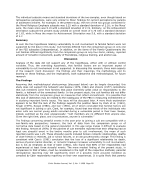
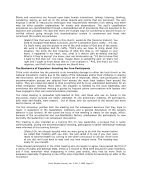
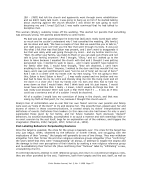
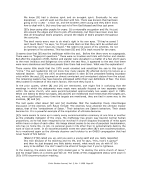
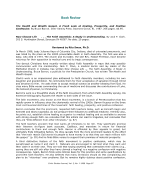
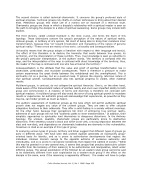
The first hypothesis of the study states that the parents of cult members will report greater family
enmeshment than the comparison group parents will report.
Enmeshment was measured by averaging the scores for both parents on the Cohesion and
Independence subscales, as suggested by Moos (1983). As shown in Table 2, discriminant
analysis tests revealed no significant difference between the levels of perceived enmeshment.
Plus, the hypothesis was not supported.
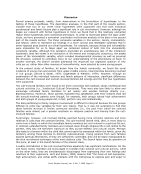
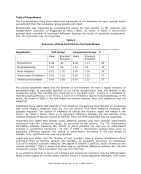
Table 2
Summary of Data Pertinent to Five Hypotheses
Hypothesis Cult Group Comparison Group P
Mean Standard
Deviation
Mean Standard
Deviation
Enmeshment 4.98 .84 5.08 1.14 .59
Psychopathology 1.54 .50 1.42 .50 .40
Moral-Religious 5.51 1.92 5.00 2.26 .30
Achievement Orientation 5.64 1.61 5.80 1.52 .71
Intellectual orientation 6.90 1.58 6.70 2.22 .67
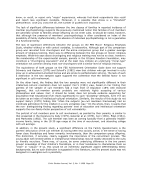
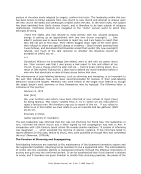
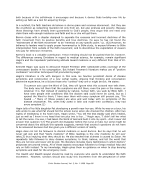
The second hypothesis states that the families of cult members will have a higher incidence of
psychopathology, as parentally reported on the family questionnaire, than will families in the
comparison group. This variable was measured on a two-point scale. A score of 1 indicated no
reported psychopathology in the family a score of 2 reflected a report of psychopathology in the
family. As shown in Table 2, the two means are almost identical thus, this hypothesis was not
supported.
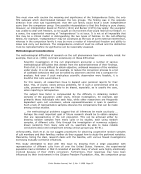
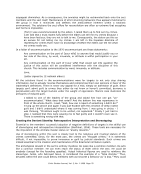
Hypothesis three states that parents of cult members will perceive their families as evidencing
less moral religious emphasis than will non-cult parents. The Moral Religious Emphasis FES
subscale measures ―the degree of emphasis on ethical and religious issues and values in the
family.‖ As Table 2 shows, there is no significant difference between the self-reported moral
religious emphasis in the two classes of families. Thus, the third hypothesis was not supported.
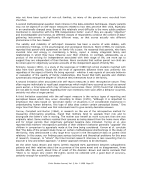
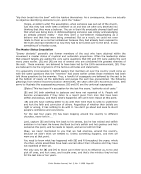
Hypothesis four states that families whose offspring entered cults have stronger achievement
orientation than the comparison group, as perceived by the parents. The FES Achievement
Orientation subscale measures the ―extent to which activities are cast into an achievement
oriented or competitive framework.‖ As seen in Table 2, discriminant analysis tests show no
significant difference between the degree of achievement orientation in the two groups of
families. Thus, hypothesis four was not supported.
Hypothesis five states that the families of cult members have a greater intellectual-cultural
orientation than do families without cult members, as parentally perceived. ne Intellectual
Cultural Orientation subscale measures ―the degree of interest in political, social, intellectual and
cultural activities.‖ Table 2 shows that there was no significant difference between the cult and
comparison groups. Thus, hypothesis five was not confirmed.
In an additional attempt to see if cult members and comparison members could be differentiated,
family profiles based on a three cluster solution using a k-means algorithm (Hartigan, 1975) were
Tests of Hypotheses
The first hypothesis of the study states that the parents of cult members will report greater family
enmeshment than the comparison group parents will report.
Enmeshment was measured by averaging the scores for both parents on the Cohesion and
Independence subscales, as suggested by Moos (1983). As shown in Table 2, discriminant
analysis tests revealed no significant difference between the levels of perceived enmeshment.
Plus, the hypothesis was not supported.
Table 2
Summary of Data Pertinent to Five Hypotheses
Hypothesis Cult Group Comparison Group P
Mean Standard
Deviation
Mean Standard
Deviation
Enmeshment 4.98 .84 5.08 1.14 .59
Psychopathology 1.54 .50 1.42 .50 .40
Moral-Religious 5.51 1.92 5.00 2.26 .30
Achievement Orientation 5.64 1.61 5.80 1.52 .71
Intellectual orientation 6.90 1.58 6.70 2.22 .67
The second hypothesis states that the families of cult members will have a higher incidence of
psychopathology, as parentally reported on the family questionnaire, than will families in the
comparison group. This variable was measured on a two-point scale. A score of 1 indicated no
reported psychopathology in the family a score of 2 reflected a report of psychopathology in the
family. As shown in Table 2, the two means are almost identical thus, this hypothesis was not
supported.
Hypothesis three states that parents of cult members will perceive their families as evidencing
less moral religious emphasis than will non-cult parents. The Moral Religious Emphasis FES
subscale measures ―the degree of emphasis on ethical and religious issues and values in the
family.‖ As Table 2 shows, there is no significant difference between the self-reported moral
religious emphasis in the two classes of families. Thus, the third hypothesis was not supported.
Hypothesis four states that families whose offspring entered cults have stronger achievement
orientation than the comparison group, as perceived by the parents. The FES Achievement
Orientation subscale measures the ―extent to which activities are cast into an achievement
oriented or competitive framework.‖ As seen in Table 2, discriminant analysis tests show no
significant difference between the degree of achievement orientation in the two groups of
families. Thus, hypothesis four was not supported.
Hypothesis five states that the families of cult members have a greater intellectual-cultural
orientation than do families without cult members, as parentally perceived. ne Intellectual
Cultural Orientation subscale measures ―the degree of interest in political, social, intellectual and
cultural activities.‖ Table 2 shows that there was no significant difference between the cult and
comparison groups. Thus, hypothesis five was not confirmed.
In an additional attempt to see if cult members and comparison members could be differentiated,
family profiles based on a three cluster solution using a k-means algorithm (Hartigan, 1975) were