Cultic Studies Journal, Vol. 5, No. 1 1988 Page 20
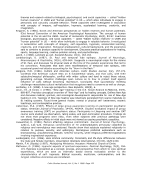
Schwartz, L.L., and Kaslow, F.W. (1981). The cult phenomenon: Historical, sociological, and
familial factors contributing to their development and appeal. Marriage and Family Review, 4,
3-30.
Schwarz, I.C., Barton-Henry, M.L., and Pruzinsky, T. (1985). Assessing child-rearing behaviors: A
comparison of ratings made by mother, father, child, and sibling on the CRPBI. Child
Development, 56, 462A79.
Singer, M.T. (1979, Jan.). Coming out of the cults. Psychology Today, 72- 82.
Sirkin, M., Markowitz, A., and Grellong, B. (1983). A discontinuous model of destructive cults and
cult-like groups. Cultic Studies Newsletter, 2, 1 A.
Ungerleider, J.T., and Wellisch, D.K. (1979). Coercive persuasion (brainwashing), religious cults,
and deprogramming. American Journal of Psychiatry, 36, 279-282.
Wynne, L., Ryckoff, M., Day, I., and Hirsch, S. (1958). Pseudomutuality in the family relations of
schizophrenics. Psychiatry, 21, 205-220.
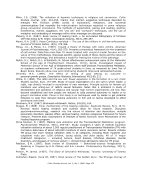
Authors' Notes
Many people assisted in the preparation and presentation of this research. Arnold Markowitz and
David Halperin from the Cult Hot-line and Clinic, Morris Black, Director of Community Services
JBFCS, and Philip Abramowitz from the Task Force on Missionaries and Cults of the Jewish
Community Relations Council assisted us in the planning stages. Donna Perlow, Meri Weider, Lu
Steinberg, Shayna Levy, Suzanne Black, and Elizabeth Epstein assisted in data collection and
coding. Sterling Green provided statistical expertise, and secretarial assistance from Ramah
Solomon and Karen Nelson was also greatly appreciated.
The research was supported by generous grants to JBFCS from the Margate Foundation, Jay
Ungerleider-Mayerson, the Majorie Dammann Research Fund, and the New Land Foundation.
All requests for reprints should be addressed to Dr. Bruce Grellong at the Jewish Board of Family
and Children's Services, 120 West 57th St, New York, NY 10019.
Mark Sirkin, Ph. D. is a clinical psychologist who was project director of the Cult Research
Project of the Jewish Board of Family and Children's Services in New York City. He is the
Psychology Chair of the Professional Education Committee of the American Family Foundation and
on the faculty of the Department of Psychiatry of the University of Rochester Medical Center.
Bruce A. Grellong, Ph. D. is the Chief Psychologist of the Jewish Board of Family and Children's
Services in New York City. He continues to be closely involved in the development and
coordination of the research program at the JBFCS Cult Clinic.
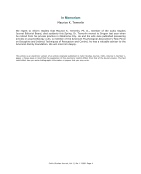
This article is an electronic version of an article originally published in Cultic Studies Journal, 1981, Volume 5, Number 1,
pages 2-22. Please keep in mind that the pagination of this electronic reprint differs from that of the bound volume. This
fact could affect how you enter bibliographic information in papers that you may write.
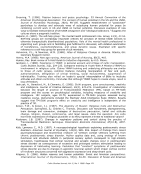
Schwartz, L.L., and Kaslow, F.W. (1981). The cult phenomenon: Historical, sociological, and
familial factors contributing to their development and appeal. Marriage and Family Review, 4,
3-30.
Schwarz, I.C., Barton-Henry, M.L., and Pruzinsky, T. (1985). Assessing child-rearing behaviors: A
comparison of ratings made by mother, father, child, and sibling on the CRPBI. Child
Development, 56, 462A79.
Singer, M.T. (1979, Jan.). Coming out of the cults. Psychology Today, 72- 82.
Sirkin, M., Markowitz, A., and Grellong, B. (1983). A discontinuous model of destructive cults and
cult-like groups. Cultic Studies Newsletter, 2, 1 A.
Ungerleider, J.T., and Wellisch, D.K. (1979). Coercive persuasion (brainwashing), religious cults,
and deprogramming. American Journal of Psychiatry, 36, 279-282.
Wynne, L., Ryckoff, M., Day, I., and Hirsch, S. (1958). Pseudomutuality in the family relations of
schizophrenics. Psychiatry, 21, 205-220.
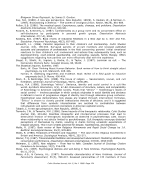
Authors' Notes
Many people assisted in the preparation and presentation of this research. Arnold Markowitz and
David Halperin from the Cult Hot-line and Clinic, Morris Black, Director of Community Services
JBFCS, and Philip Abramowitz from the Task Force on Missionaries and Cults of the Jewish
Community Relations Council assisted us in the planning stages. Donna Perlow, Meri Weider, Lu
Steinberg, Shayna Levy, Suzanne Black, and Elizabeth Epstein assisted in data collection and
coding. Sterling Green provided statistical expertise, and secretarial assistance from Ramah
Solomon and Karen Nelson was also greatly appreciated.
The research was supported by generous grants to JBFCS from the Margate Foundation, Jay
Ungerleider-Mayerson, the Majorie Dammann Research Fund, and the New Land Foundation.
All requests for reprints should be addressed to Dr. Bruce Grellong at the Jewish Board of Family
and Children's Services, 120 West 57th St, New York, NY 10019.
Mark Sirkin, Ph. D. is a clinical psychologist who was project director of the Cult Research
Project of the Jewish Board of Family and Children's Services in New York City. He is the
Psychology Chair of the Professional Education Committee of the American Family Foundation and
on the faculty of the Department of Psychiatry of the University of Rochester Medical Center.
Bruce A. Grellong, Ph. D. is the Chief Psychologist of the Jewish Board of Family and Children's
Services in New York City. He continues to be closely involved in the development and
coordination of the research program at the JBFCS Cult Clinic.
This article is an electronic version of an article originally published in Cultic Studies Journal, 1981, Volume 5, Number 1,
pages 2-22. Please keep in mind that the pagination of this electronic reprint differs from that of the bound volume. This
fact could affect how you enter bibliographic information in papers that you may write.