Cultic Studies Journal, Vol. 5, No. 1 1988 Page 18
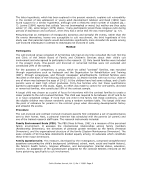
form a pattern typical of Jewish families‖ (p. 372). Data from the present study offer empirical
support for these observations. However, when key elements of the typical pattern are missing,
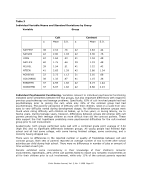
e.g., diminished emphasis on expressiveness, an unbalanced, atypical family pattern may emerge
and may leave children vulnerable to cult recruitment The significance of the Family factor may lie
in just these inconsistencies.
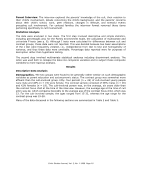
Although there were no differences between cult and contrast groups in academic performance
and friendships, there was some evidence that the cult-involved group may have dated less.
Parents of cult-involved children found their children more difficult during the teenage years and
their children had more experience with psychotherapy. In addition, it was found that those
young persons who became involved in cults tended to be more dissatisfied with their lives, to
change colleges more often, and to have experienced a major loss prior to joining the cult. These
data are consistent with previous findings (Galanter, Rabkin, Rabkin, &Deutsch, 1979 Levine &
Salter, 1976), and support the hypothesis of moderate pre-cult psychosocial difficulties, as
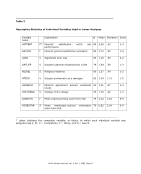
expressed by the Vulnerability factor in the rnultivariate analysis.
The interaction between stressful life events and individual psychosocial difficulties did emerge as
a feature in the lives of the cult-involved young people. The context of the family is important,
however, and the present study indicates that a predisposing family environment, i.e., the Family
factor, may be very common, perhaps even necessary, but not sufficient to explain vulnerability
to cult recruitment The data indicate that a vulnerable child within a vulnerable family system
completes the picture. It is particularly striking how these families resemble the psychosomatic
families described by Minuchin and his colleagues (Minuchin, Rosman, &Baker, 1978). In the
families they describe, the psychosomatic child was especially sensitive to family stress. We may
speculate that a similar sensitivity existing in cult-involved family members is not expressed
somatically, but in the act of cult affiliation.
The period of greatest difficulty for the young people in this study was adolescence, and here the
Vulnerability factor was evident. The major developmental task of this period is to struggle with
problems of identity formation (Erikson, 1966) and the transition to adulthood (Levinson, 1978).
The normal ups and downs of this period are stressful for most young people. The evidence from
the present study indicates, however, that the cult-involved youth had more than their share of
psychosocial difficulties, and, as a result, had more difficulty negotiating this period. As they
entered young adulthood they experienced more dissatisfactions with their own lives and
continued to experience the pressure to achieve and meet parental expectations. This, then, was
the kind of enduring stress within the young person who encountered the cult recruiter. The cults
offered simple solutions to difficult problems in late adolescence and, for those who were
vulnerable, the lure was irresistible. For those who were particularly susceptible, powerful
technologies of psychological manipulation interacted with psychological vulnerability to attract
them along developmental detours from which some, only with great difficulty, found their way
back.
Notes
1. Due to the large number of questions asked and the interview format itself, some questions
were not answered by some participants. Rather than lose all information from these subjects,
the decision was made to proceed with data analyses despite instances of missing data. (See
Table 2 and Table 6 for a more precise breakdown.)
2. For some of these analyses, N =86 due to missing data (see note 1).
References
Brooks, A. (1986, April 26). Cults and the aged. A new family issue. The New York Times, p. 31.
Carter, B., and McGoldrick, M. (Eds.), (1980). The family life cycle. New York Gardner.
form a pattern typical of Jewish families‖ (p. 372). Data from the present study offer empirical
support for these observations. However, when key elements of the typical pattern are missing,
e.g., diminished emphasis on expressiveness, an unbalanced, atypical family pattern may emerge
and may leave children vulnerable to cult recruitment The significance of the Family factor may lie
in just these inconsistencies.
Although there were no differences between cult and contrast groups in academic performance
and friendships, there was some evidence that the cult-involved group may have dated less.
Parents of cult-involved children found their children more difficult during the teenage years and
their children had more experience with psychotherapy. In addition, it was found that those
young persons who became involved in cults tended to be more dissatisfied with their lives, to
change colleges more often, and to have experienced a major loss prior to joining the cult. These
data are consistent with previous findings (Galanter, Rabkin, Rabkin, &Deutsch, 1979 Levine &
Salter, 1976), and support the hypothesis of moderate pre-cult psychosocial difficulties, as
expressed by the Vulnerability factor in the rnultivariate analysis.
The interaction between stressful life events and individual psychosocial difficulties did emerge as
a feature in the lives of the cult-involved young people. The context of the family is important,
however, and the present study indicates that a predisposing family environment, i.e., the Family
factor, may be very common, perhaps even necessary, but not sufficient to explain vulnerability
to cult recruitment The data indicate that a vulnerable child within a vulnerable family system
completes the picture. It is particularly striking how these families resemble the psychosomatic
families described by Minuchin and his colleagues (Minuchin, Rosman, &Baker, 1978). In the
families they describe, the psychosomatic child was especially sensitive to family stress. We may
speculate that a similar sensitivity existing in cult-involved family members is not expressed
somatically, but in the act of cult affiliation.
The period of greatest difficulty for the young people in this study was adolescence, and here the
Vulnerability factor was evident. The major developmental task of this period is to struggle with
problems of identity formation (Erikson, 1966) and the transition to adulthood (Levinson, 1978).
The normal ups and downs of this period are stressful for most young people. The evidence from
the present study indicates, however, that the cult-involved youth had more than their share of
psychosocial difficulties, and, as a result, had more difficulty negotiating this period. As they
entered young adulthood they experienced more dissatisfactions with their own lives and
continued to experience the pressure to achieve and meet parental expectations. This, then, was
the kind of enduring stress within the young person who encountered the cult recruiter. The cults
offered simple solutions to difficult problems in late adolescence and, for those who were
vulnerable, the lure was irresistible. For those who were particularly susceptible, powerful
technologies of psychological manipulation interacted with psychological vulnerability to attract
them along developmental detours from which some, only with great difficulty, found their way
back.
Notes
1. Due to the large number of questions asked and the interview format itself, some questions
were not answered by some participants. Rather than lose all information from these subjects,
the decision was made to proceed with data analyses despite instances of missing data. (See
Table 2 and Table 6 for a more precise breakdown.)
2. For some of these analyses, N =86 due to missing data (see note 1).
References
Brooks, A. (1986, April 26). Cults and the aged. A new family issue. The New York Times, p. 31.
Carter, B., and McGoldrick, M. (Eds.), (1980). The family life cycle. New York Gardner.