Cultic Studies Journal, Vol. 5, No. 1 1988 Page 17
Discussion
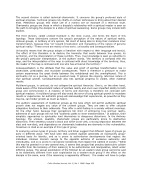
Formal science proceeds, ideally, from observations to the formulation of hypotheses, to the
testing of these hypotheses. The descriptive analyses, in the first part of the results section,
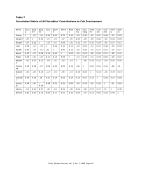
indicate that two of our three initial hypotheses were supported and that both individual
psychosocial and family factors play a significant role in cult involvement. However, although we
began our research with formal hypotheses in mind, we found that in this relatively uncharted
region these hypotheses were somewhat premature. In order to illuminate better the topic under
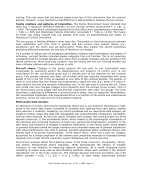
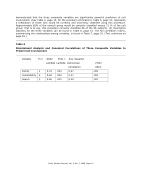
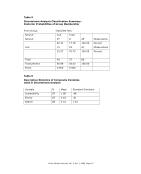
study, we have presented a somewhat unorthodox multivariate analysis of the data in the second
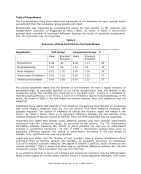
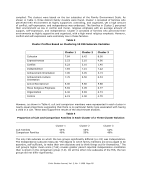
part of the results section. The three composite variables in this section, Family, Vulnerability,
and Search, seem to represent our findings in a more concise and intelligible synthesis that in
some respects goes beyond our initial hypotheses. For example, because stress and vulnerability
were impossible for us to tease apart we combined indices of both into the Vulnerability
composite variable. Although this operation precluded an unambiguous test of the interaction
hypothesis (that felt stress is an interaction of life events and intrapsychic dynamics), the added
power of the Vulnerability variable, which included developmental stressors as well as proximal
life stressors, seemed to contribute more to our understanding of the phenomena at hand. In
another example, the Search variable addressed the important but neglected question of why
cults per se, rather than other avenues of nonconformity, were selected by some young people.
In the present study of families, all drawn from the Jewish community, we found the usual
incidence of young men and women from upper-middle income, intact families becoming involved
in cult groups (Levine &Salter, 1976 Ungerleider &Wellisch, 1979). However, through an
examination of the individual histories and family patterns of interaction, significant differences
between the cult-involved and noncult-involved families did emerge and the first two hypotheses
were supported.
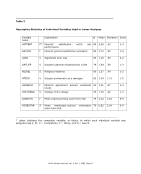
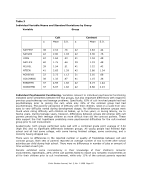
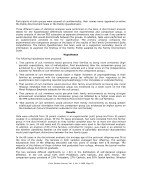
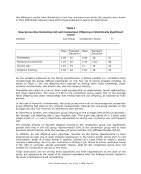
The cult-involved families were found to be more concerned with political, social, intellectual and
cultural activities (i.e., Intellectual-Cultural Orientation). They were also less likely to allow and
encourage individual family members to act openly and express feelings directly (i.e.,
Expressiveness). Moreover, these parents indicated less satisfaction with their children than did
the noncult-involved parents even though, for example, both groups valued high achievement
and both groups of young people did, in fact, perform very well academically.
The data pertaining to family religious involvement is difficult to interpret because the two groups
differed on some key variables by their very nature. That is, it was not surprising to find that
those families involved in Jewish communal activities (i.e., the pool from which the contrast
families were drawn) put a greater emphasis on religious practice and training than the cult-
involved families.
Surprisingly, however, cult-involved families reported having more orthodox relatives and more
relatives in cults than the contrast families. The cult-involved Jewish child, then, is more likely to
come from a family in which the immediate family members are not involved in a spiritual life but,
in contrast, extended family members are involved. Even though religious life is not central to the
parents, they also are searchers inasmuch as they pursue esthetic and cultural values. Perhaps
this leads to a tension within the child that cannot easily be expressed within the family, given the
tendency among these families to diminish expressiveness. Young persons from such families
explore spiritual alternatives. If they are sufficiently vulnerable, they will be easily manipulated by
the slick recruitment techniques of the more dubious cults. The Search factor may be operative at
this point, at least in the Jewish families of the present study.
A subtle contradiction in the cult-involved families apparently has significant ramifications. On the
one hand, family members are encouraged to broaden their political and cultural activity while
on the other hand, they are simultaneously discouraged from expressing their own feelings and
reactions to their experience. Herz and Rosen (1982) observe that ―the focus on self-expression,
high achievement, and verbal skiffs interacts with the willingness to express pain and anger to
Discussion
Formal science proceeds, ideally, from observations to the formulation of hypotheses, to the
testing of these hypotheses. The descriptive analyses, in the first part of the results section,
indicate that two of our three initial hypotheses were supported and that both individual
psychosocial and family factors play a significant role in cult involvement. However, although we
began our research with formal hypotheses in mind, we found that in this relatively uncharted
region these hypotheses were somewhat premature. In order to illuminate better the topic under
study, we have presented a somewhat unorthodox multivariate analysis of the data in the second
part of the results section. The three composite variables in this section, Family, Vulnerability,
and Search, seem to represent our findings in a more concise and intelligible synthesis that in
some respects goes beyond our initial hypotheses. For example, because stress and vulnerability
were impossible for us to tease apart we combined indices of both into the Vulnerability
composite variable. Although this operation precluded an unambiguous test of the interaction
hypothesis (that felt stress is an interaction of life events and intrapsychic dynamics), the added
power of the Vulnerability variable, which included developmental stressors as well as proximal
life stressors, seemed to contribute more to our understanding of the phenomena at hand. In
another example, the Search variable addressed the important but neglected question of why
cults per se, rather than other avenues of nonconformity, were selected by some young people.
In the present study of families, all drawn from the Jewish community, we found the usual
incidence of young men and women from upper-middle income, intact families becoming involved
in cult groups (Levine &Salter, 1976 Ungerleider &Wellisch, 1979). However, through an
examination of the individual histories and family patterns of interaction, significant differences
between the cult-involved and noncult-involved families did emerge and the first two hypotheses
were supported.
The cult-involved families were found to be more concerned with political, social, intellectual and
cultural activities (i.e., Intellectual-Cultural Orientation). They were also less likely to allow and
encourage individual family members to act openly and express feelings directly (i.e.,
Expressiveness). Moreover, these parents indicated less satisfaction with their children than did
the noncult-involved parents even though, for example, both groups valued high achievement
and both groups of young people did, in fact, perform very well academically.
The data pertaining to family religious involvement is difficult to interpret because the two groups
differed on some key variables by their very nature. That is, it was not surprising to find that
those families involved in Jewish communal activities (i.e., the pool from which the contrast
families were drawn) put a greater emphasis on religious practice and training than the cult-
involved families.
Surprisingly, however, cult-involved families reported having more orthodox relatives and more
relatives in cults than the contrast families. The cult-involved Jewish child, then, is more likely to
come from a family in which the immediate family members are not involved in a spiritual life but,
in contrast, extended family members are involved. Even though religious life is not central to the
parents, they also are searchers inasmuch as they pursue esthetic and cultural values. Perhaps
this leads to a tension within the child that cannot easily be expressed within the family, given the
tendency among these families to diminish expressiveness. Young persons from such families
explore spiritual alternatives. If they are sufficiently vulnerable, they will be easily manipulated by
the slick recruitment techniques of the more dubious cults. The Search factor may be operative at
this point, at least in the Jewish families of the present study.
A subtle contradiction in the cult-involved families apparently has significant ramifications. On the
one hand, family members are encouraged to broaden their political and cultural activity while
on the other hand, they are simultaneously discouraged from expressing their own feelings and
reactions to their experience. Herz and Rosen (1982) observe that ―the focus on self-expression,
high achievement, and verbal skiffs interacts with the willingness to express pain and anger to