Cultic Studies Journal, Vol. 5, No. 1 1988 Page 125
Krishna movement, using Comrey Personality Scales. Hallmark characteristic of Hare Krishna
personality was strong compulsivity trait, common to both sexes. Reduced trust in society
exhibited by both sexes. With exception of compulsivity, average scores were generally within
normal range, but differed from normative male group indicating idiosyncratic traits.
Weiss, A.S., &Comrey, A.L. (1987). Personality factor structure among Hare Krishnas. Educational &
Psychological Measurement, 47(2), 317-328. Used Comrey Personality Scales to investigate
personality structure of members of Hare Krishna movement. Results show that 40 subscales and
2 validation scales were intercorrelated. Factor analysis showed majority of expected personality
factors, previously found in other groups, were present, exception being social conformity vs.
rebelliousness.
Weiss, A.S., &Comrey, A.L. (1987). Personality and mental health of Hare Krishnas compared with
psychiatric outpatients and normals. Personality and Individual Differences, 5, 721-730.
Wentzel, Eric. (1987). Book review of Autobiographies of Conversion, by Joseph H. Fichter.
Unification News, July 1987.
West, L.J. (1988). Book review of The Anatomy of Illusion — Religious Cults and Destructive
Persuasion by T.W. Keiser and J.L. Keiser. American Journal of Psychiatry, 145(1), 123-124.
Whipple, V. (1987). Counseling battered women from fundamentalist churches.
Journal of Marital and Family Therapy, 13(3), 251-258.
Wong, L.T. (1985). Shamanic art in healing rituals. Saybrook Review, 5(2), 55-63. Describes
various forms of art, such as music and/or dance, used by shamans to alter their consciousness for
healing purposes. Discusses shaman's paraphernalia, healing rituals, spirits, and symbols.
Wood, C. (1986). News about studying mind-body-health: Major setback for alternative medicine in
Britain. Advances, 3(3), 38-39. Describes impact on alternative medicine of 1986 report by British
Medical Association declaring virtually all alternative therapies, including homeopathy,
acupuncture, chiropractice, aroma therapy, color therapy, and faith healing, unscientific and
inappropriate as methods of treatment.
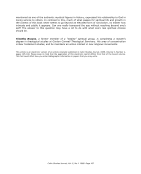
This article is an electronic version of an article originally published in Cultic Studies Journal, 1988, Volume 5, Number 1,
pages 158-176. Please keep in mind that the pagination of this electronic reprint differs from that of the bound volume.
This fact could affect how you enter bibliographic information in papers that you may write.
Krishna movement, using Comrey Personality Scales. Hallmark characteristic of Hare Krishna
personality was strong compulsivity trait, common to both sexes. Reduced trust in society
exhibited by both sexes. With exception of compulsivity, average scores were generally within
normal range, but differed from normative male group indicating idiosyncratic traits.
Weiss, A.S., &Comrey, A.L. (1987). Personality factor structure among Hare Krishnas. Educational &
Psychological Measurement, 47(2), 317-328. Used Comrey Personality Scales to investigate
personality structure of members of Hare Krishna movement. Results show that 40 subscales and
2 validation scales were intercorrelated. Factor analysis showed majority of expected personality
factors, previously found in other groups, were present, exception being social conformity vs.
rebelliousness.
Weiss, A.S., &Comrey, A.L. (1987). Personality and mental health of Hare Krishnas compared with
psychiatric outpatients and normals. Personality and Individual Differences, 5, 721-730.
Wentzel, Eric. (1987). Book review of Autobiographies of Conversion, by Joseph H. Fichter.
Unification News, July 1987.
West, L.J. (1988). Book review of The Anatomy of Illusion — Religious Cults and Destructive
Persuasion by T.W. Keiser and J.L. Keiser. American Journal of Psychiatry, 145(1), 123-124.
Whipple, V. (1987). Counseling battered women from fundamentalist churches.
Journal of Marital and Family Therapy, 13(3), 251-258.
Wong, L.T. (1985). Shamanic art in healing rituals. Saybrook Review, 5(2), 55-63. Describes
various forms of art, such as music and/or dance, used by shamans to alter their consciousness for
healing purposes. Discusses shaman's paraphernalia, healing rituals, spirits, and symbols.
Wood, C. (1986). News about studying mind-body-health: Major setback for alternative medicine in
Britain. Advances, 3(3), 38-39. Describes impact on alternative medicine of 1986 report by British
Medical Association declaring virtually all alternative therapies, including homeopathy,
acupuncture, chiropractice, aroma therapy, color therapy, and faith healing, unscientific and
inappropriate as methods of treatment.
This article is an electronic version of an article originally published in Cultic Studies Journal, 1988, Volume 5, Number 1,
pages 158-176. Please keep in mind that the pagination of this electronic reprint differs from that of the bound volume.
This fact could affect how you enter bibliographic information in papers that you may write.