Cultic Studies Journal, Vol. 5, No. 1 1988 Page 121
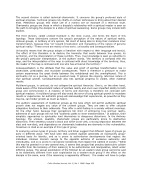
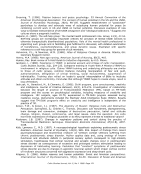
Greening, T. (1986). Passion bearers and peace psychology. 93 Annual Convention of the
American Psychological Association: The concept of human potential in the US and the USSR.
Journal of Humanistic Psychology, 26(4), 98-105. Suggests establishment of ―passionate‖
psychology to develop and advocate ways of actualizing human potential for peace by
combining current work in US and USSR on human potential. Discusses examples of new
ways to facilitate transcendence of US-USSR antagonism and ―ideological addictions.‖ Suggests the
cultures share a pragmatic tradition.
Halperin, D. (1987). The self-help group: The mental health professional's role. Group, 11(1), 47-53.
Self-help groups are increasingly important vehicles for provision of mental health services to
otherwise therapeutically disenfranchised populations. Role of the mental health professional in
organizing such groups and in facilitating goal fulfillment is discussed, with detailed examination
of transference, countertransference, and group dynamic issues. Illustrated with specific
reference to a self-help group for parents of cult members.
Halvorson, P.L., &Newman, W.M. (1988). Atlas of Religious Change in America. Atlanta, GA:
Glenmary Research Center.
Hemry, M.A. (1988). New age nursing. American Journal of Nursing, 88(3), 418.
Hyman, Ray. Book review of A Field Guide to Inductive Arguments, by K.D. Moore.
Jacobson, L. (1986). Experience in YWAM: A personal account and critique of cultic manipulation.
Cultic Studies Journal, 3(2), 204-233. Compares training in Youth With A Mission (YWAM) to
involvement in religious cults. Claims YWAM training and underlying philosophy are similar
to those of cultic groups, common features including manipulation of fear and guilt,
authoritarianism, denigration of critical thinking, social exclusiveness, suppression of
individuality. Training also relied on leader's special interpretation of Bible to inculcate
attitudes and obtain conformity. Concludes that although YWAM hopes to create utopia, result is
loss of freedom.
Jedrczak, A., Beresford, M., &Clements, G. (1985). Sicihi program, pure consciousness, creativity
and intelligence. Journal of Creative Behavior, 19(4), 270-275. Investigation of relationship
between the length of practice of Transcendental Meditation (TM), based on TM-Sidhi
program and the scores on psychological variables, including measures of creativity and
intelligence. 152 subjects, ages 20-79, experienced in TM-Sidhi program assessed during
residence course. Instruments included the Wechsler Adult Intelligence Scale (WAIS). Results
suggest that TM-Sidhi program's effect on creativity and intelligence is independent of the
practice of TM.
Keiser, T.W., &Keiser, J.L. (1987). The Anatomy of Illusion: Religious Cults and Destructive
Persuasion. Springfield, IL: Charles C. Thomas. Discusses cult recruitment, deprogramming,
brain damage and conversion, strategies of destructive persuasion, belief and attitude
change, religion, illusion, controversy, and legal issues. Asks the question: Are cults
harmless expressions of religious pluralism or do they represent a threat to traditional values?
Kesterson, J.B. (1987). Changes in respiratory patterns and control during the practice of
Transcendental Meditation technique. Dissertation Abstracts International, 47(10-B), 4337-
4338.
Kolb, Lawrence C., M.D. (1987). A neuropsychological hypothesis explaining posttraumatic stress
disorders. American Journal of Psychiatry, 144(8), 989- 995. Report of findings from recent
psychophysiological and biochemical research on Vietnam combat veterans suffering from
chronic posttraumatic stress disorder. Author applies data and, using analogy of known
functional and structural defects in peripheral sensory system consequent to high-intensity
stimulation, hypothesizes that cortical neuronal and synaptic changes occur in posttraumatic
stress disorder as consequences of excessive and prolonged sensory stimulation leading to
depression of habituating learning. Postulates that ―constant‖ symptoms of posttraumatic
stress disorder are due to changes in agonistic neuronal system which impair cortical control
of hindbrain structures concerned with aggressive expression and sleep-dream cycle.
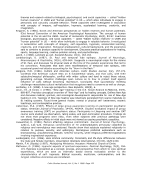
Krippner, S. (1986). Hidden reserves and human potentials: Soviet and American perspectives.
International Journal of Psychosomatics, 33(4), 34-39. Discussion of Soviet and American
Greening, T. (1986). Passion bearers and peace psychology. 93 Annual Convention of the
American Psychological Association: The concept of human potential in the US and the USSR.
Journal of Humanistic Psychology, 26(4), 98-105. Suggests establishment of ―passionate‖
psychology to develop and advocate ways of actualizing human potential for peace by
combining current work in US and USSR on human potential. Discusses examples of new
ways to facilitate transcendence of US-USSR antagonism and ―ideological addictions.‖ Suggests the
cultures share a pragmatic tradition.
Halperin, D. (1987). The self-help group: The mental health professional's role. Group, 11(1), 47-53.
Self-help groups are increasingly important vehicles for provision of mental health services to
otherwise therapeutically disenfranchised populations. Role of the mental health professional in
organizing such groups and in facilitating goal fulfillment is discussed, with detailed examination
of transference, countertransference, and group dynamic issues. Illustrated with specific
reference to a self-help group for parents of cult members.
Halvorson, P.L., &Newman, W.M. (1988). Atlas of Religious Change in America. Atlanta, GA:
Glenmary Research Center.
Hemry, M.A. (1988). New age nursing. American Journal of Nursing, 88(3), 418.
Hyman, Ray. Book review of A Field Guide to Inductive Arguments, by K.D. Moore.
Jacobson, L. (1986). Experience in YWAM: A personal account and critique of cultic manipulation.
Cultic Studies Journal, 3(2), 204-233. Compares training in Youth With A Mission (YWAM) to
involvement in religious cults. Claims YWAM training and underlying philosophy are similar
to those of cultic groups, common features including manipulation of fear and guilt,
authoritarianism, denigration of critical thinking, social exclusiveness, suppression of
individuality. Training also relied on leader's special interpretation of Bible to inculcate
attitudes and obtain conformity. Concludes that although YWAM hopes to create utopia, result is
loss of freedom.
Jedrczak, A., Beresford, M., &Clements, G. (1985). Sicihi program, pure consciousness, creativity
and intelligence. Journal of Creative Behavior, 19(4), 270-275. Investigation of relationship
between the length of practice of Transcendental Meditation (TM), based on TM-Sidhi
program and the scores on psychological variables, including measures of creativity and
intelligence. 152 subjects, ages 20-79, experienced in TM-Sidhi program assessed during
residence course. Instruments included the Wechsler Adult Intelligence Scale (WAIS). Results
suggest that TM-Sidhi program's effect on creativity and intelligence is independent of the
practice of TM.
Keiser, T.W., &Keiser, J.L. (1987). The Anatomy of Illusion: Religious Cults and Destructive
Persuasion. Springfield, IL: Charles C. Thomas. Discusses cult recruitment, deprogramming,
brain damage and conversion, strategies of destructive persuasion, belief and attitude
change, religion, illusion, controversy, and legal issues. Asks the question: Are cults
harmless expressions of religious pluralism or do they represent a threat to traditional values?
Kesterson, J.B. (1987). Changes in respiratory patterns and control during the practice of
Transcendental Meditation technique. Dissertation Abstracts International, 47(10-B), 4337-
4338.
Kolb, Lawrence C., M.D. (1987). A neuropsychological hypothesis explaining posttraumatic stress
disorders. American Journal of Psychiatry, 144(8), 989- 995. Report of findings from recent
psychophysiological and biochemical research on Vietnam combat veterans suffering from
chronic posttraumatic stress disorder. Author applies data and, using analogy of known
functional and structural defects in peripheral sensory system consequent to high-intensity
stimulation, hypothesizes that cortical neuronal and synaptic changes occur in posttraumatic
stress disorder as consequences of excessive and prolonged sensory stimulation leading to
depression of habituating learning. Postulates that ―constant‖ symptoms of posttraumatic
stress disorder are due to changes in agonistic neuronal system which impair cortical control
of hindbrain structures concerned with aggressive expression and sleep-dream cycle.
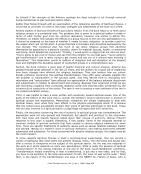
Krippner, S. (1986). Hidden reserves and human potentials: Soviet and American perspectives.
International Journal of Psychosomatics, 33(4), 34-39. Discussion of Soviet and American