Cultic Studies Journal, Vol. 5, No. 1 1988 Page 12
_______________________________________________________________________
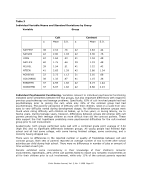
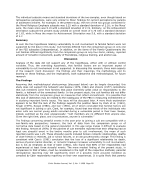
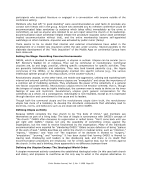
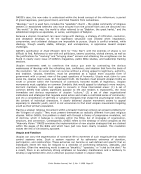
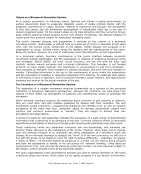
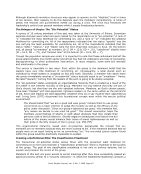
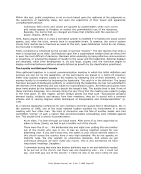
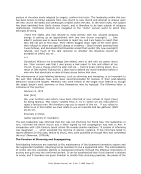
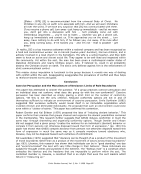
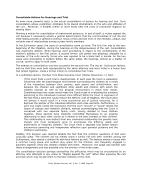
Table 3
Individual Variable Means and Standard Deviations by Group
Variable Group
Cult Contrast
n Mean S.D. n Mean S.D.
SATPERF 38 2.53 .76 42 2.83 .44
SATGEN 42 2.90 1.03 42 3.36 .76
LOSS 42 1.64 .53 41 1.34 .48
SATLIFE 40 1.75 .44 39 1.33 .48
RELREL 39 1.54 .51 41 1.22 .42
NTEEN 41 2.65 1.29 42 2.86 1.24
AGREEVO 22 2.73 1.12 31 3.55 .68
COLCHANG 38 1.32 .47 41 1.15 .36
EXBOTHR 37 4.55 1.82 42 6.19 1.44
ICOBOTHR 37 6.97 1.82 42 6.68 2.23
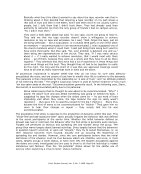
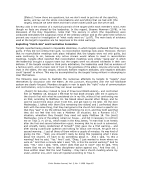
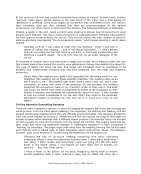
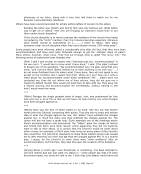
Individual Psychosocial Functioning. Variables relevant to individual psychosocial functioning
indicated some similarities between the two groups, but also important differences with regard to
previous psychotherapy and teenage problems. Specifically, 62% of cult-involved people had had
psychotherapy prior to joining the cult, while only 33% of the contrast group had had
psychotherapy. The parents' perception of difficulty with their children, rated on a scale from very
easy to very difficulty varied during development stages. No differences between groups were
found when rating difficulty with children as babies, up to five years, or during latency, six to
twelve years. During teenage years, however, differences between groups did emerge with cult
parents perceiving their teenage children as more difficult than did the contrast parents. These
data support the first hypothesis predicting more psychosocial difficulties for the cult-involved
group prior to cult involvement.
Academically, both groups performed quite well with a combined grade point average of 3.24
(high B's) and no significant differences between groups. All young people had finished high
school and all had some college, with some having finished college, some continuing, and a
minority having dropped out.
There were no differences in the reported number or quality of friendships between cult and
contrast groups. Both sets of parents reported an average number of two to three after-school
activities per child during high school. There were no differences in number of jobs or amount of
time worked at each job.
Parents exhibited some inconsistency in their knowledge of their children's romantic
involvements. Specifically, 24% of the cult parents failed to report any romantic involvements at
all for their children prior to cult involvement, while only 11% of the contrast parents reported
_______________________________________________________________________
Table 3
Individual Variable Means and Standard Deviations by Group
Variable Group
Cult Contrast
n Mean S.D. n Mean S.D.
SATPERF 38 2.53 .76 42 2.83 .44
SATGEN 42 2.90 1.03 42 3.36 .76
LOSS 42 1.64 .53 41 1.34 .48
SATLIFE 40 1.75 .44 39 1.33 .48
RELREL 39 1.54 .51 41 1.22 .42
NTEEN 41 2.65 1.29 42 2.86 1.24
AGREEVO 22 2.73 1.12 31 3.55 .68
COLCHANG 38 1.32 .47 41 1.15 .36
EXBOTHR 37 4.55 1.82 42 6.19 1.44
ICOBOTHR 37 6.97 1.82 42 6.68 2.23
Individual Psychosocial Functioning. Variables relevant to individual psychosocial functioning
indicated some similarities between the two groups, but also important differences with regard to
previous psychotherapy and teenage problems. Specifically, 62% of cult-involved people had had
psychotherapy prior to joining the cult, while only 33% of the contrast group had had
psychotherapy. The parents' perception of difficulty with their children, rated on a scale from very
easy to very difficulty varied during development stages. No differences between groups were
found when rating difficulty with children as babies, up to five years, or during latency, six to
twelve years. During teenage years, however, differences between groups did emerge with cult
parents perceiving their teenage children as more difficult than did the contrast parents. These
data support the first hypothesis predicting more psychosocial difficulties for the cult-involved
group prior to cult involvement.
Academically, both groups performed quite well with a combined grade point average of 3.24
(high B's) and no significant differences between groups. All young people had finished high
school and all had some college, with some having finished college, some continuing, and a
minority having dropped out.
There were no differences in the reported number or quality of friendships between cult and
contrast groups. Both sets of parents reported an average number of two to three after-school
activities per child during high school. There were no differences in number of jobs or amount of
time worked at each job.
Parents exhibited some inconsistency in their knowledge of their children's romantic
involvements. Specifically, 24% of the cult parents failed to report any romantic involvements at
all for their children prior to cult involvement, while only 11% of the contrast parents reported